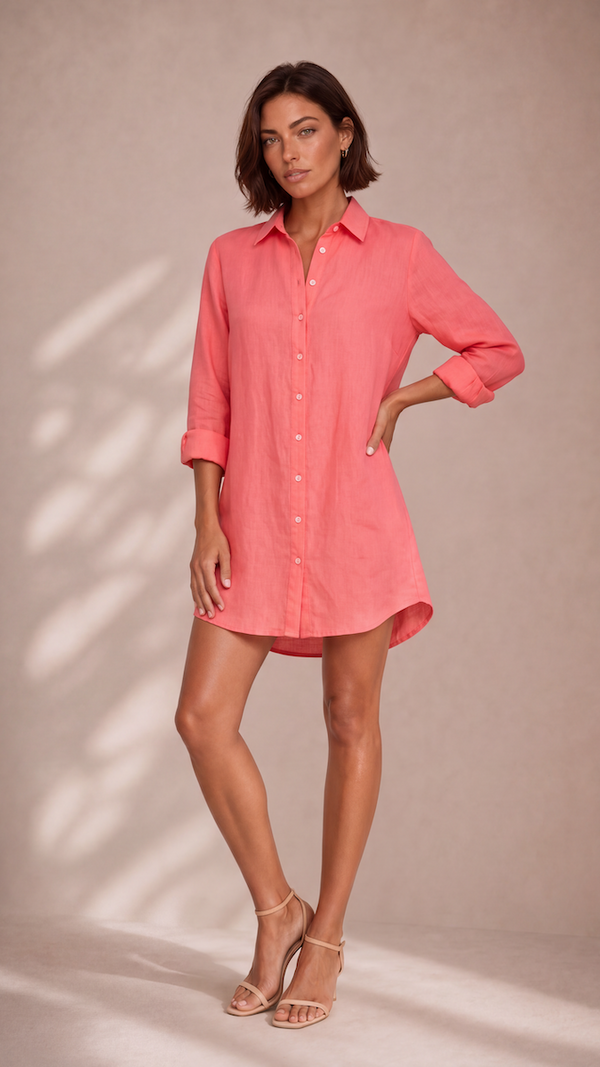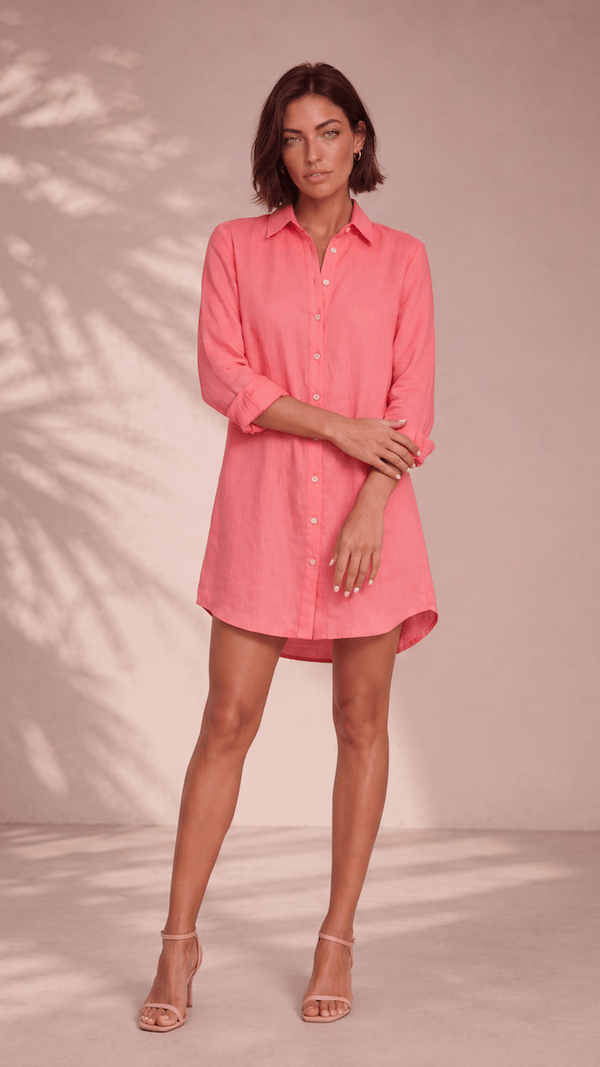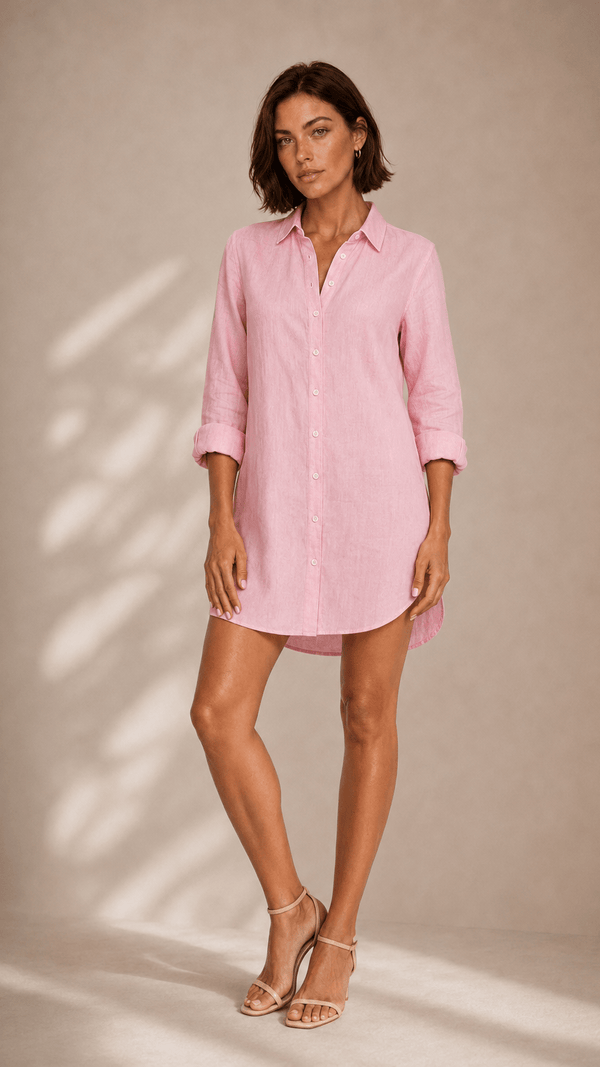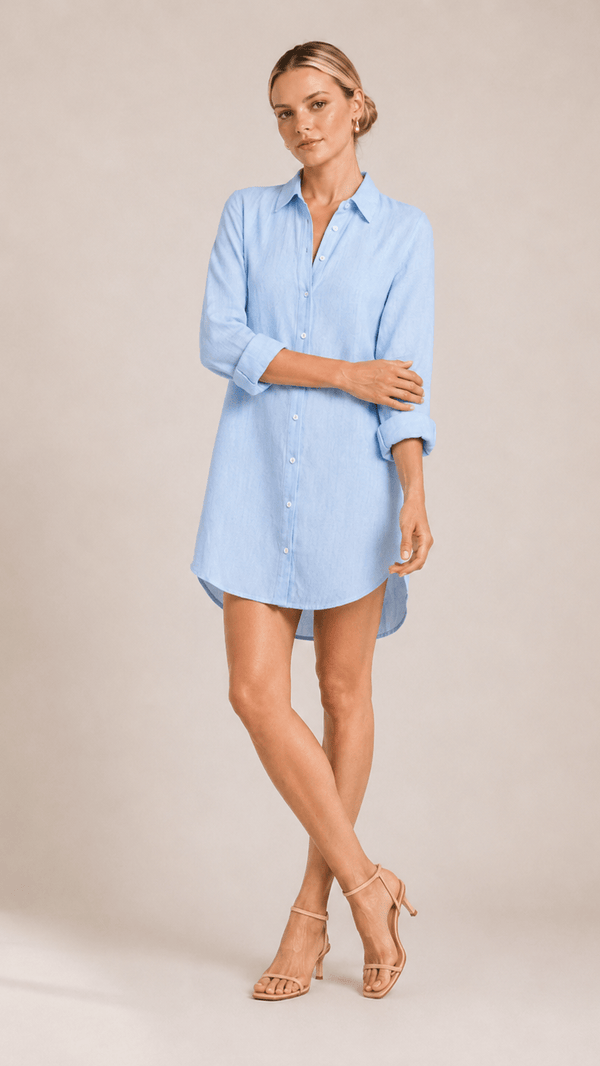
Linen Fabric Breathability — Why It Performs in Heat
Linen Fabric Breathability — Why It Performs in Heat
Linen Fabric Breathability — Why It Performs in Heat
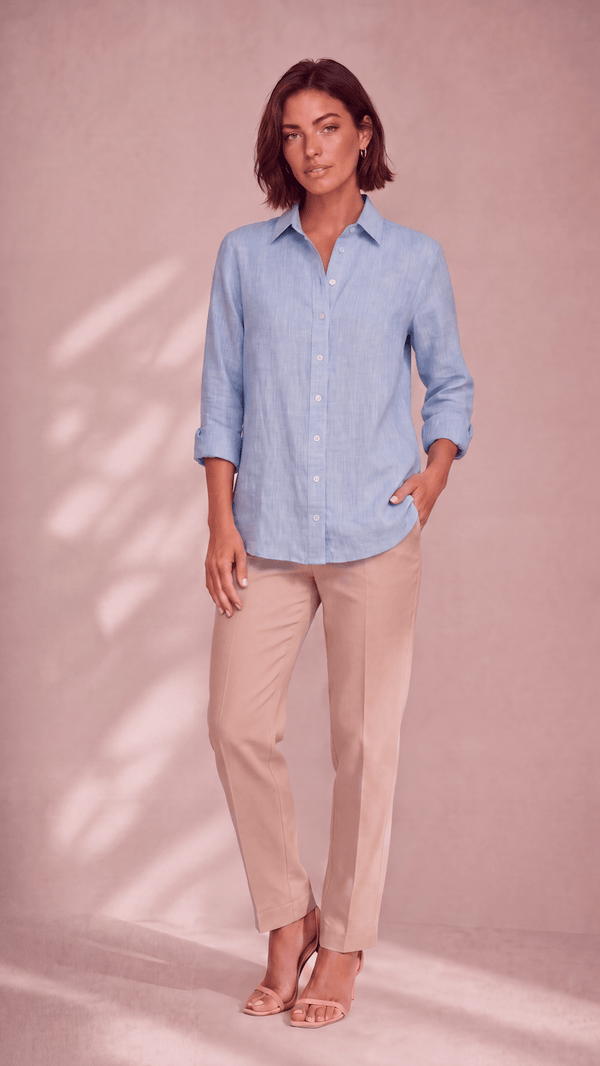
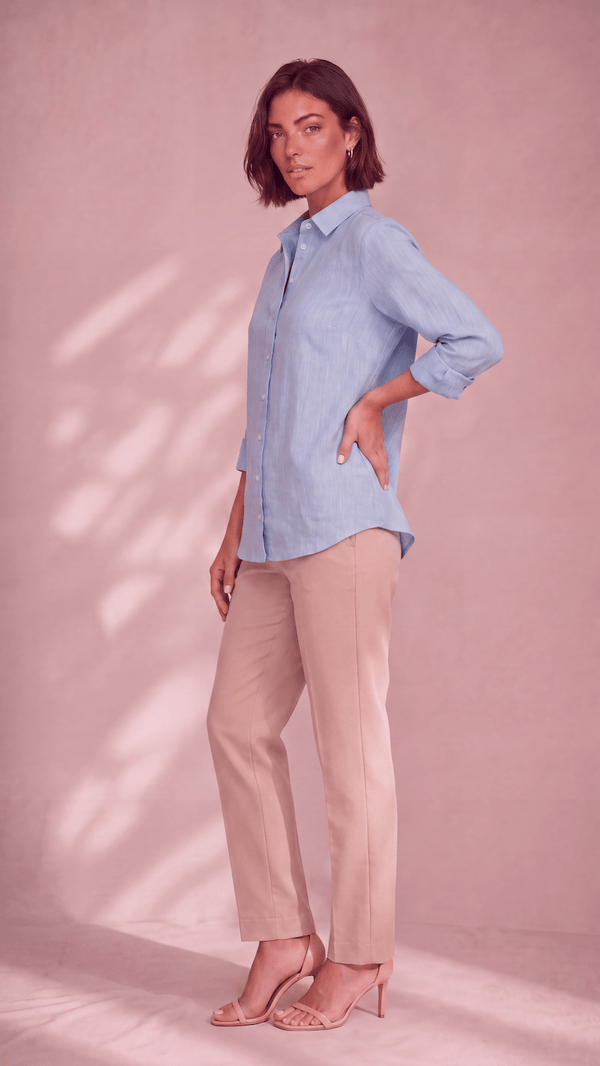
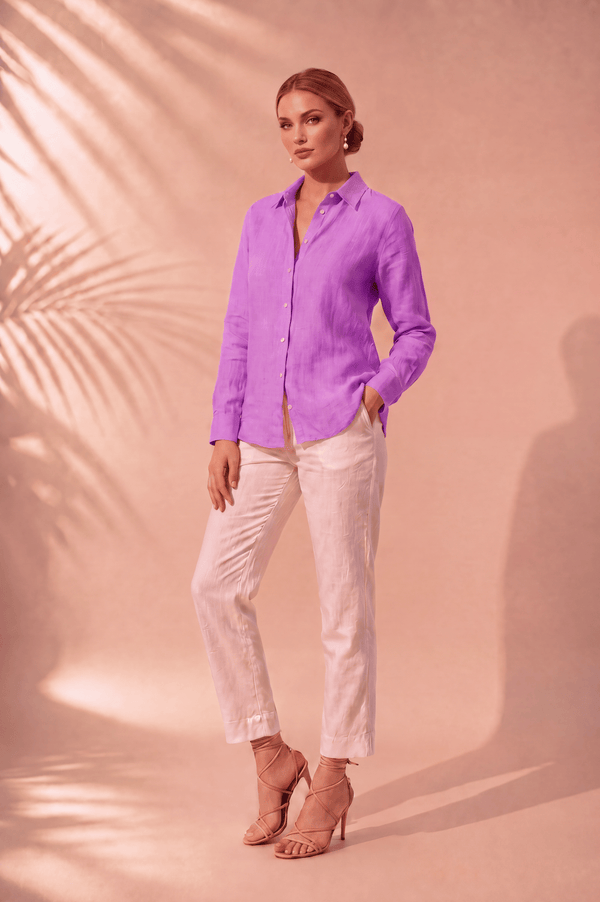
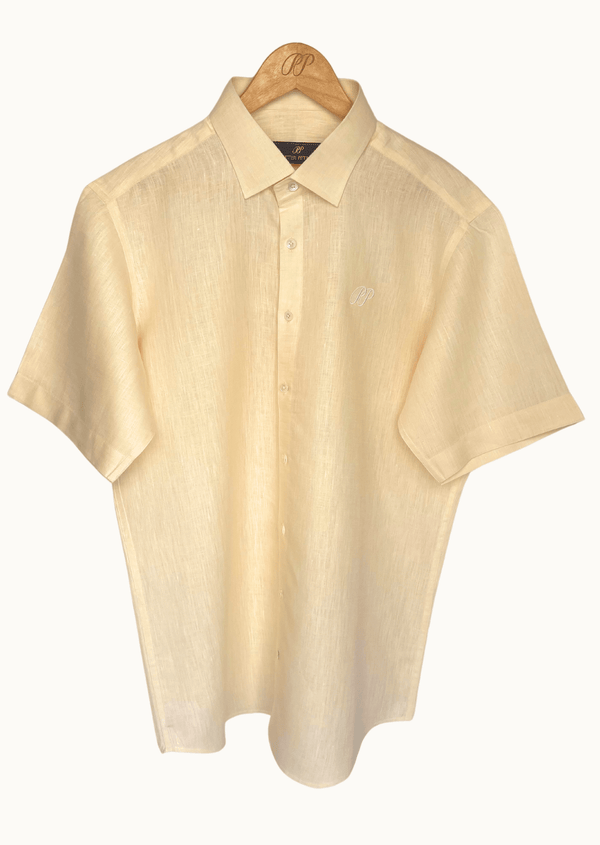
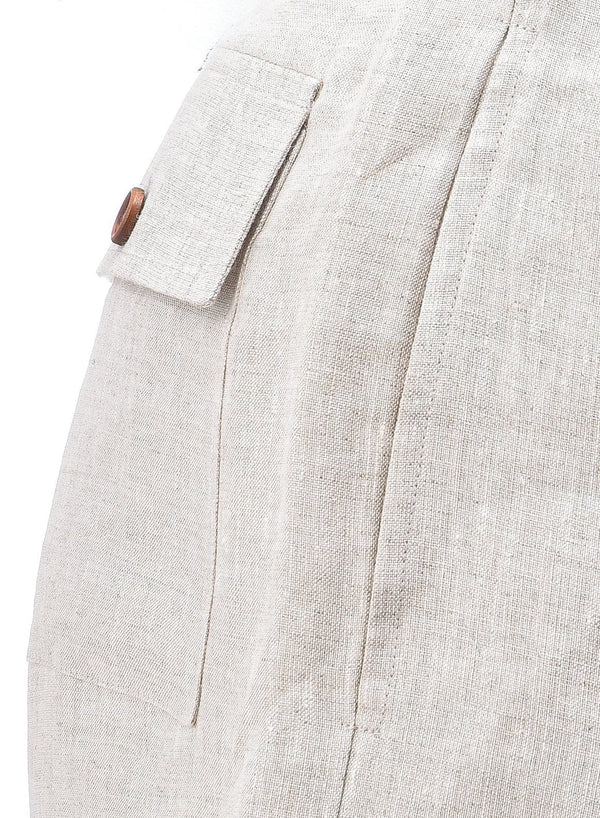
Linen breathes because of its fibre structure, not its weave weight. The hollow core of the flax fibre — the central channel that runs the length of each individual linen strand — allows air to pass continuously through the fabric. This is the structural difference between linen and every other natural fabric at the same thread count: cotton has a solid core, silk has a solid filament, wool has a crimped scale structure. Only flax has the hollow core.
The heat performance consequence. In sustained heat above 28 degrees, the hollow-core flax fibre draws heat away from the body and allows the natural airflow through the weave to carry it away. Cotton at the same temperature absorbs the body's perspiration and holds it against the skin. Linen releases it. This is why certified Belgian linen is the most appropriate natural fabric for the Gulf, the Mediterranean, and every sustained warm-weather wardrobe context in the PP cluster.
“Linen breathes because of its fibre structure, not its weave weight. The hollow core of the flax fibre is the structural difference.”
— Pieter Petros, founderThe certified Belgian linen advantage. PP's certified Belgian linen — the Belgian Linen® certification mark, the flax grown and processed in the Belgium–northern France region — produces the most consistent hollow-core fibre quality available. A lower-quality linen, or a linen blend, has a less consistent hollow-core structure and performs below the certified Belgian linen standard in sustained heat.