Linen vs Cotton — The Natural Fabric Comparison
Linen vs Cotton — The Natural Fabric Comparison
Linen vs Cotton — The Natural Fabric Comparison
Linen and cotton are both natural fabrics. Both biodegrade. Both breathe better than synthetic alternatives. The question of which performs better in warm weather has a specific answer — and it is not the one the cotton industry's marketing suggests.
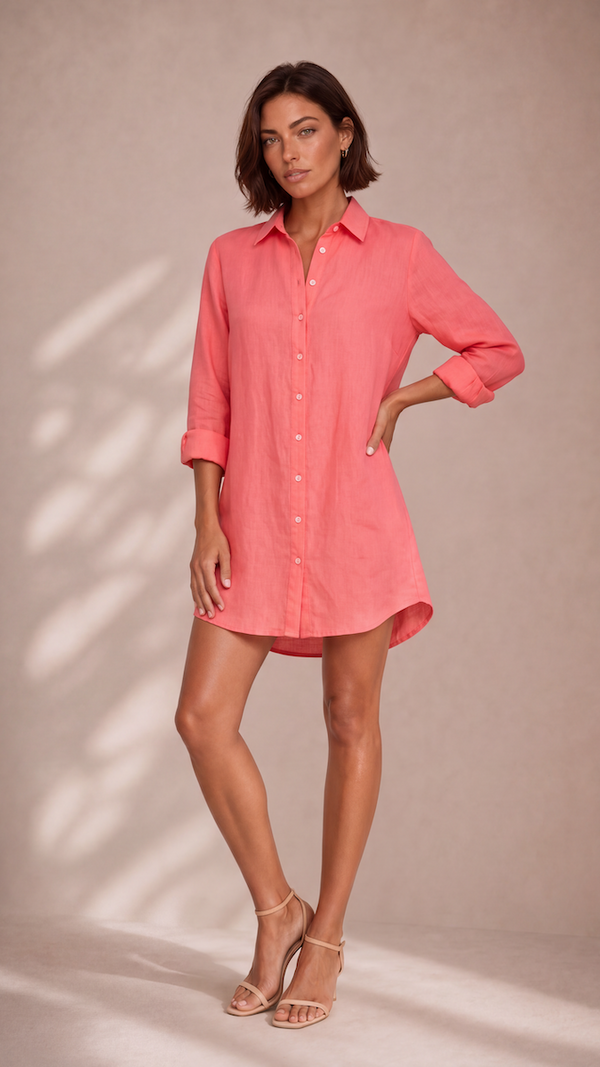
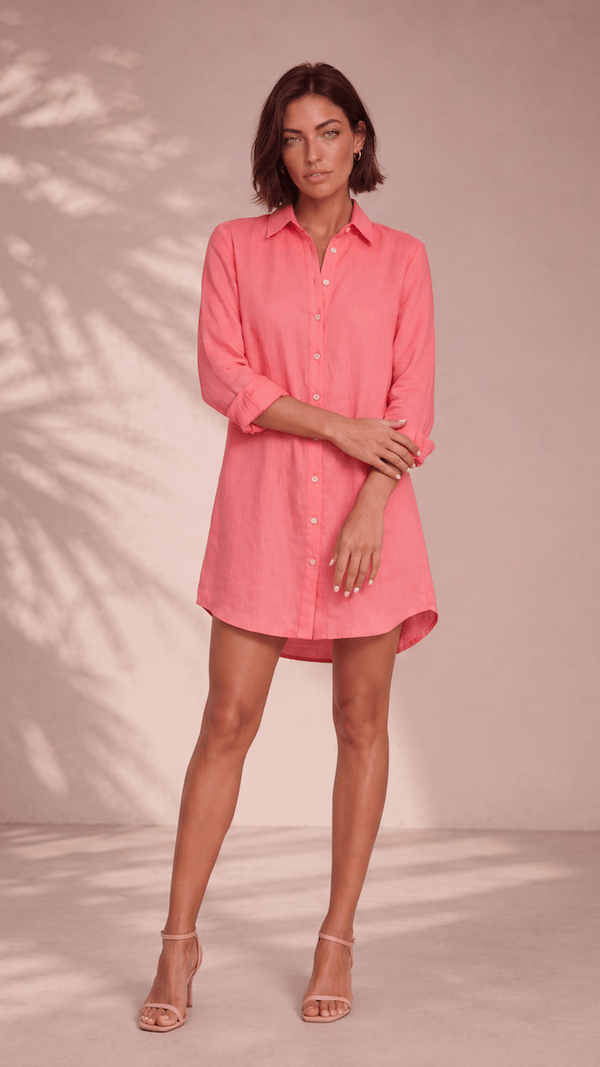
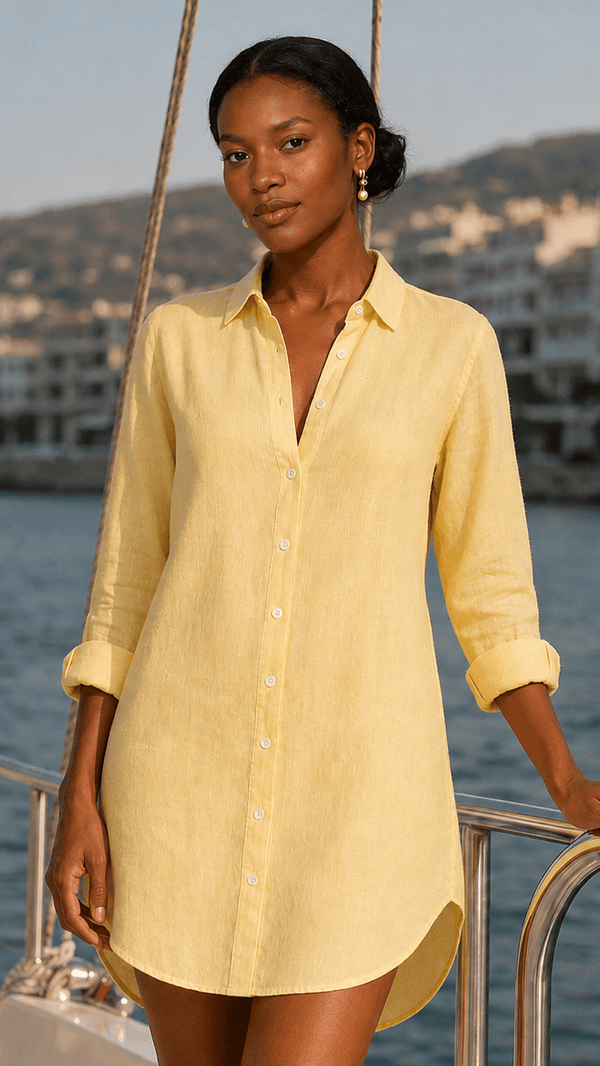
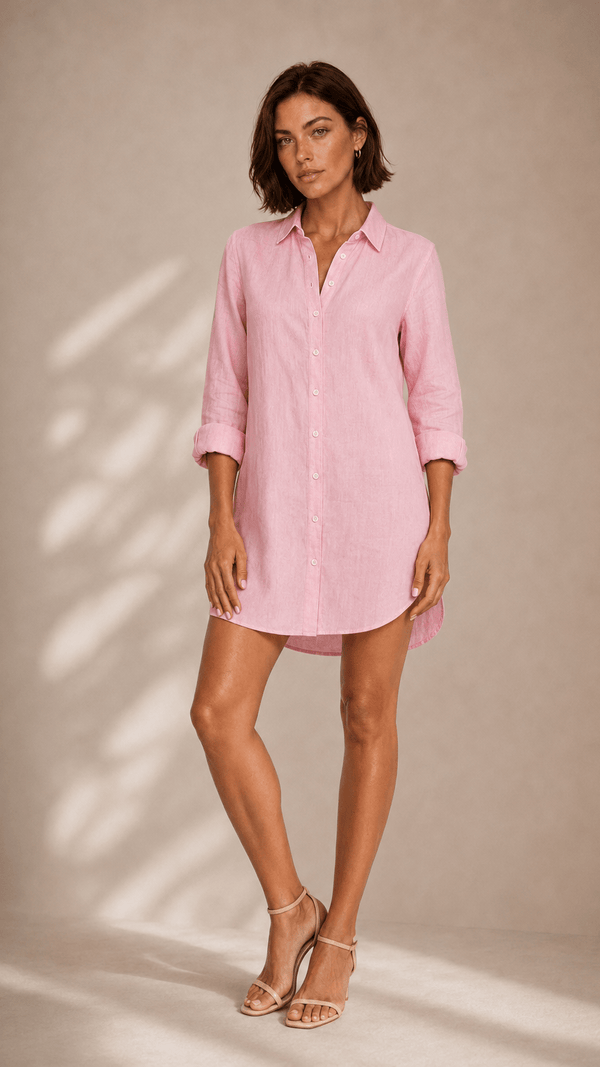
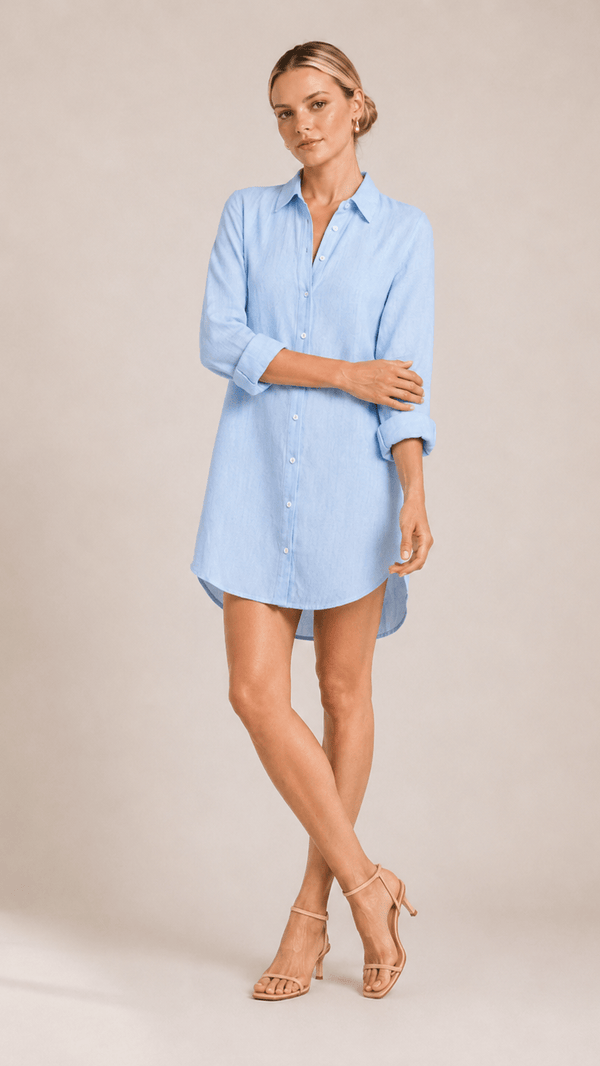
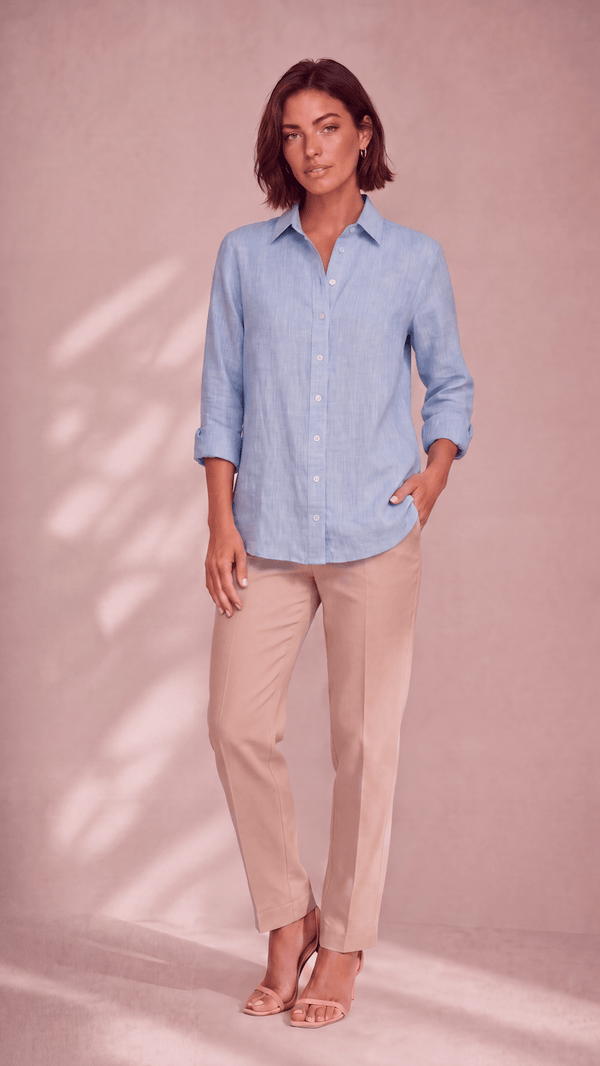
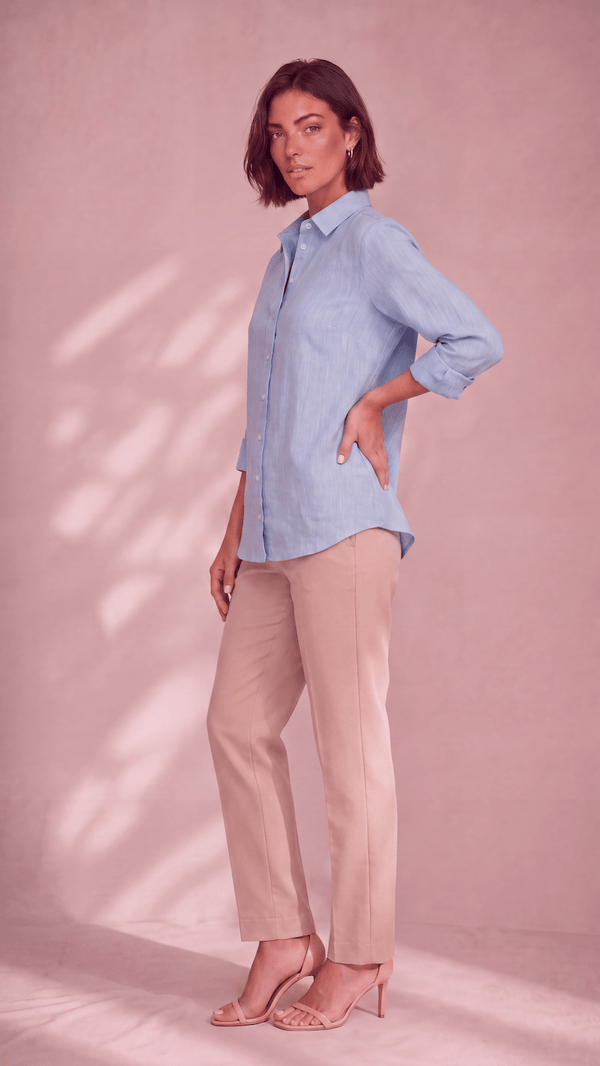
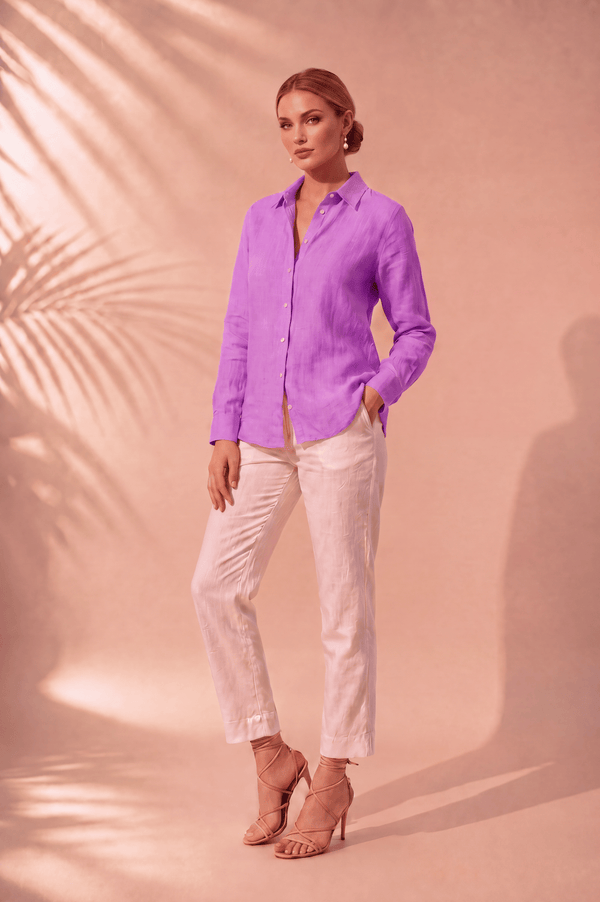
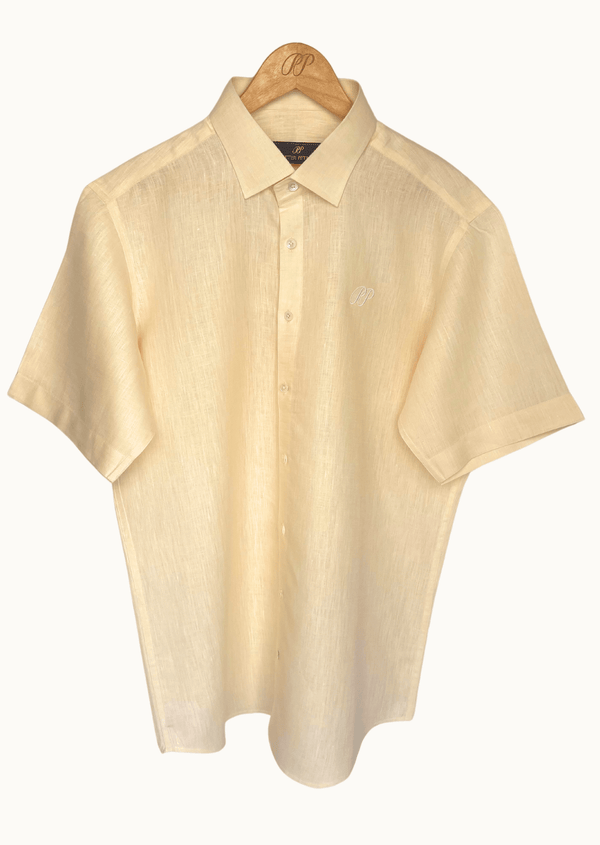
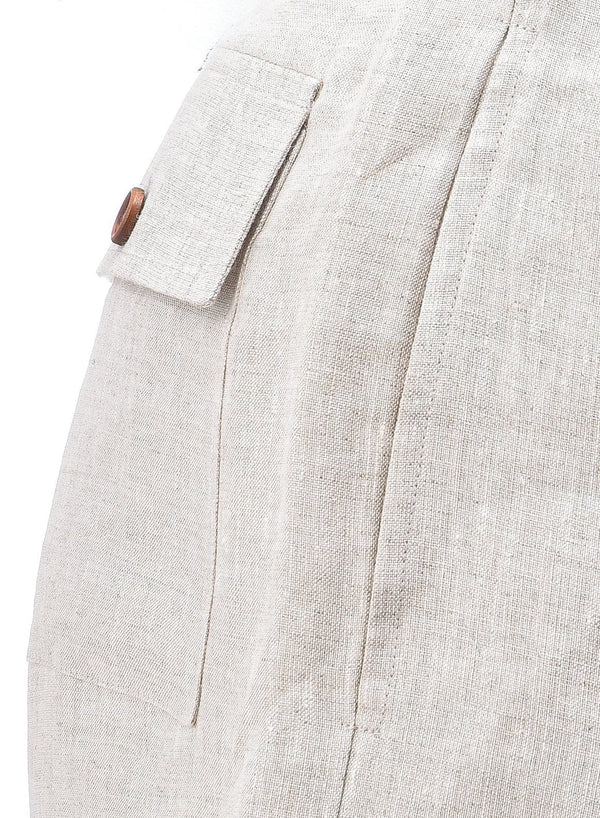
The structural difference. Linen's hollow-core flax fibre allows air to pass continuously through the weave, draws heat away from the body, and releases moisture rapidly without retaining it. Cotton absorbs moisture and holds it — the wet cotton shirt in summer heat is the most common natural fabric discomfort, and the reason certified Belgian linen outperforms cotton in sustained warm conditions above 28 degrees.
“Linen and cotton are both natural fabrics. Both biodegrade. The question of which performs better in warm weather has a specific answer.”
— Pieter Petros, founderThe longevity difference. A certified Belgian linen shirt improves with every correct wash — softer, more fluid, more characterful with each wearing. Cotton degrades with washing — pilling, losing thread strength, fading colour. At the quality garment level, over a five-year wearing period, linen is the more durable investment. PP's tee is natural cotton — the most appropriate natural fabric for the tee-shirt format, where cotton's softness is correct for the garment type. For shirts in sustained heat, certified Belgian linen is the answer.