High Quality Linen — How to Identify It and Why It Matters
High Quality Linen — How to Identify It and Why It Matters
How to identify high quality linen — surface consistency, drape, softening behaviour, origin documentation, and finishing details.
High quality linen is identifiable before you wear it and confirms itself after the first wash. The properties that distinguish it from lower-grade alternatives are specific and measurable once understood.
Surface consistency. Run your fingers across the surface of the fabric. High quality linen — made from long-staple flax — has a fine, relatively smooth surface with a consistent texture. Lower-grade linen, made from shorter-staple flax, has a coarser surface with more visible irregularity in the yarn. The difference is apparent to the touch within a few seconds of handling.
“High quality linen softens with each correct wash cycle. This improvement trajectory is the definitive marker of quality — and it cannot be faked over time.”
— Pieter Petros, founderDrape. Hold the fabric up and let it fall. High quality linen has a specific drape — it falls with weight and fluidity rather than stiffness or limpness. The cloth moves with intention. Lower-grade linen either hangs without structure or feels stiff and resistant to movement. The drape of Belgian linen at the correct weight is one of its most immediately recognisable qualities.
Softening behaviour. This is the definitive test of linen quality and can only be observed over time. High quality linen softens with each correct wash cycle, becoming progressively more refined and fluid. Lower-grade linen may soften slightly in the first few washes but does not continue to improve in the same way. A Belgian linen shirt after a year of regular washing is a better fabric than when it arrived; a standard linen shirt is typically slightly worse.
Origin documentation. High quality linen at the certified level comes with documentation of its provenance. The Belgian linen certificate of origin is the most recognised standard. A fabric that cannot document its origin is a fabric asking you to accept an unverified claim.
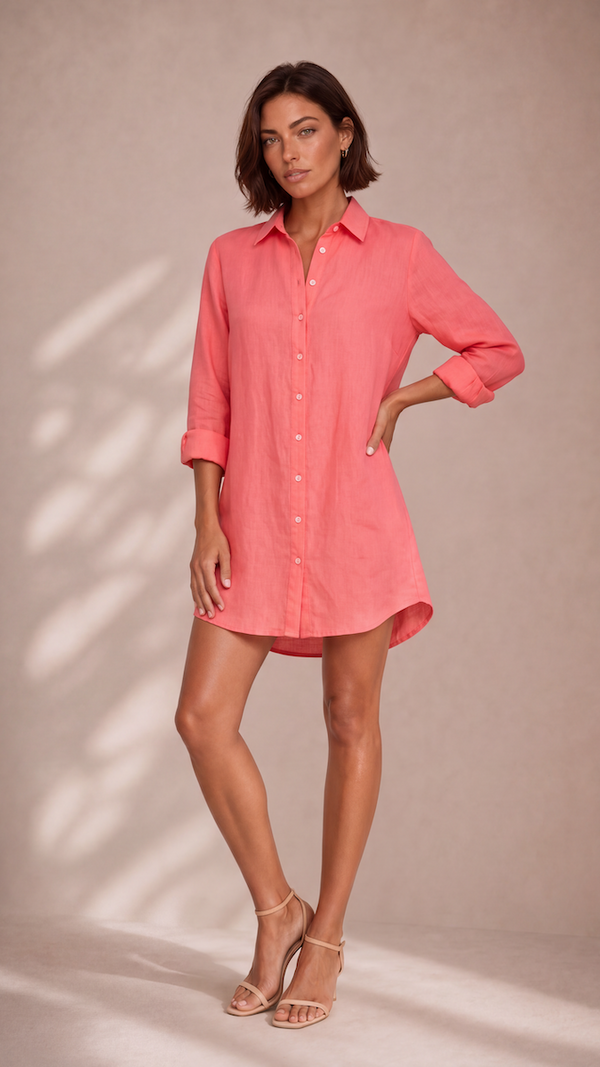
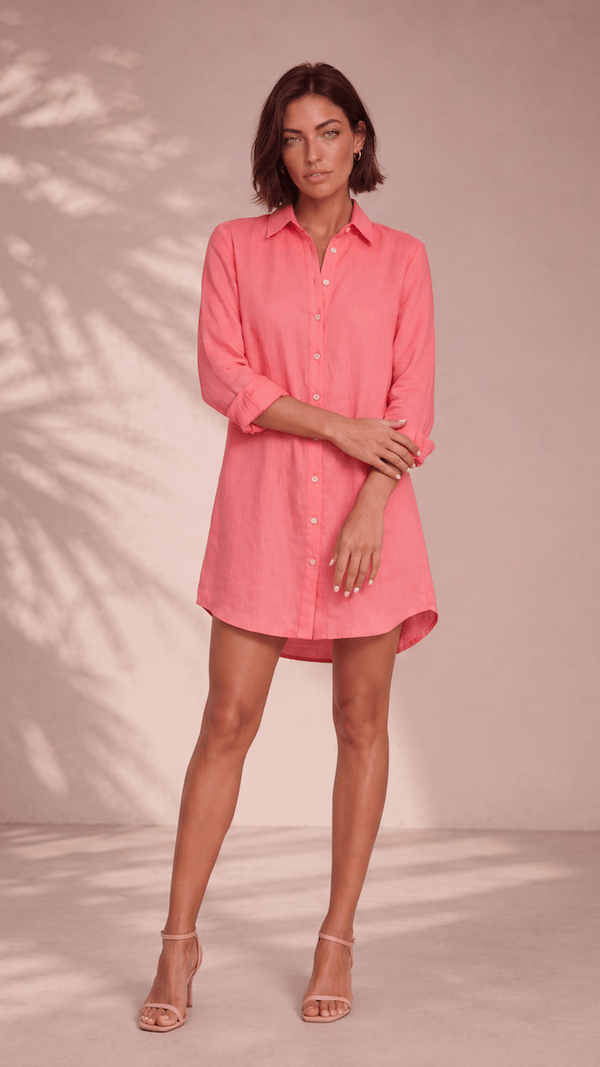
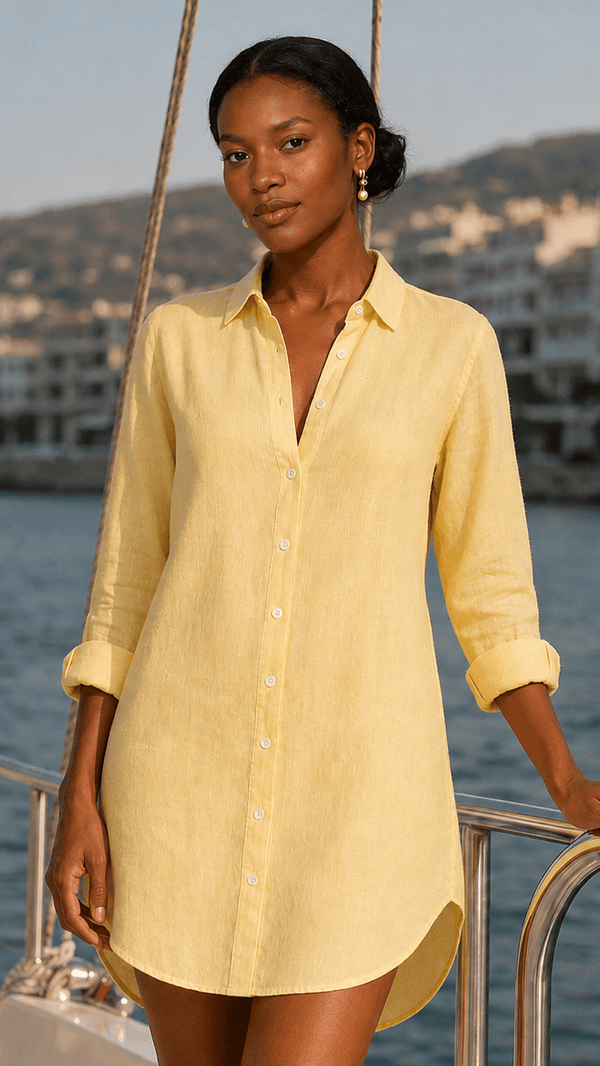
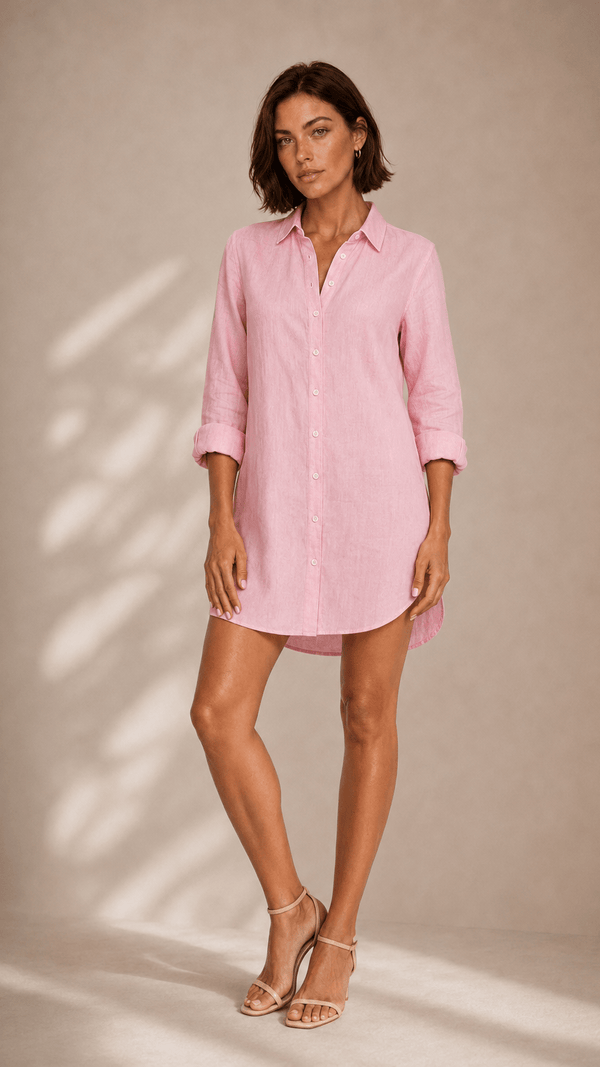
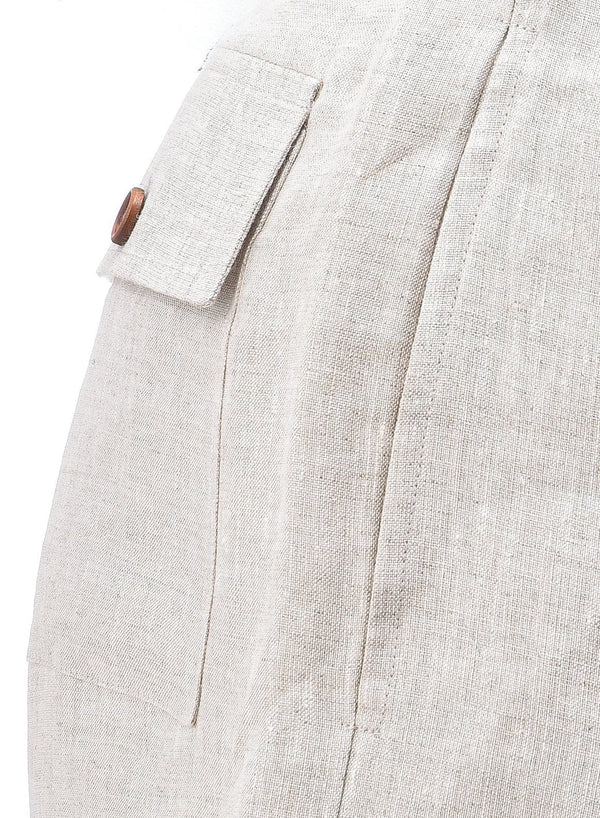
Finishing details. High quality linen garments are finished with natural buttons — walnut, seashell, corozo nut. The seams are tight and consistent. The collar lies flat without stiffener. These finishing details confirm that the quality of the cloth has been matched by the quality of the making.
How to Identify Premium Linen · Linen Quality — How to Tell the Difference · Men's Linen Collection