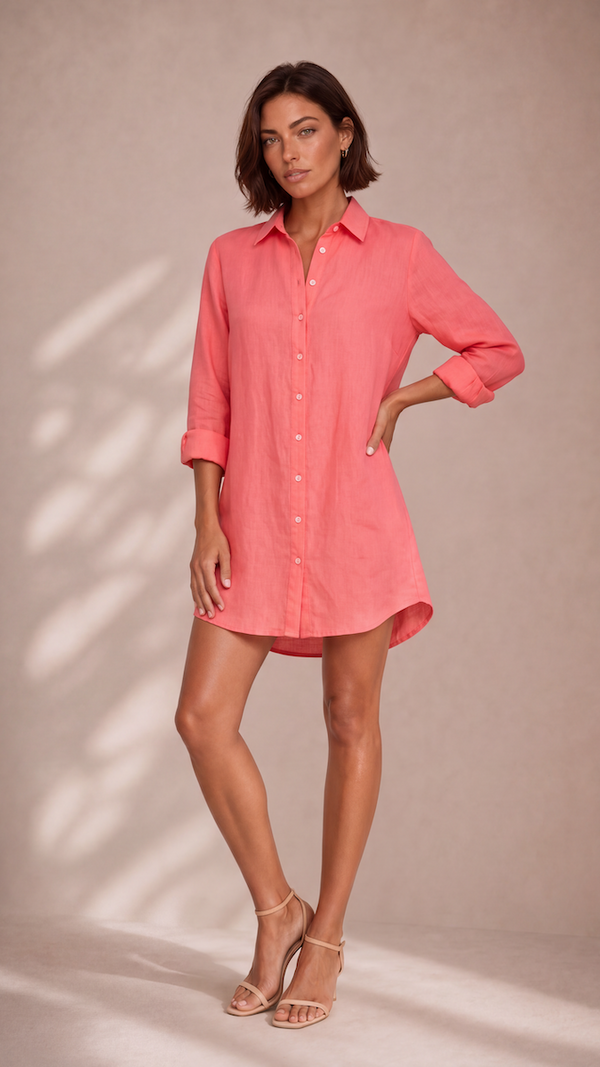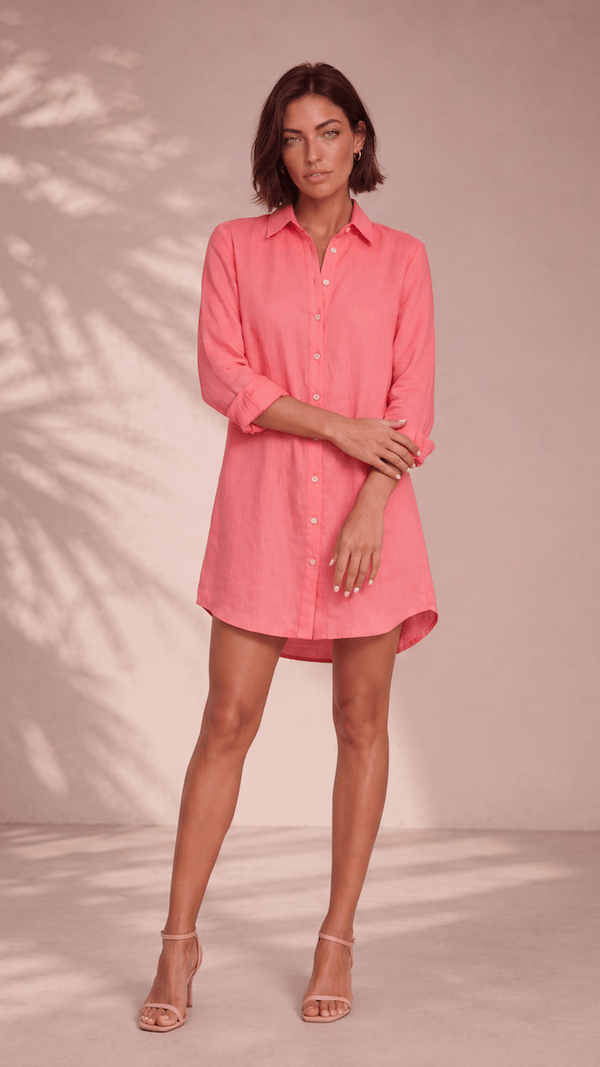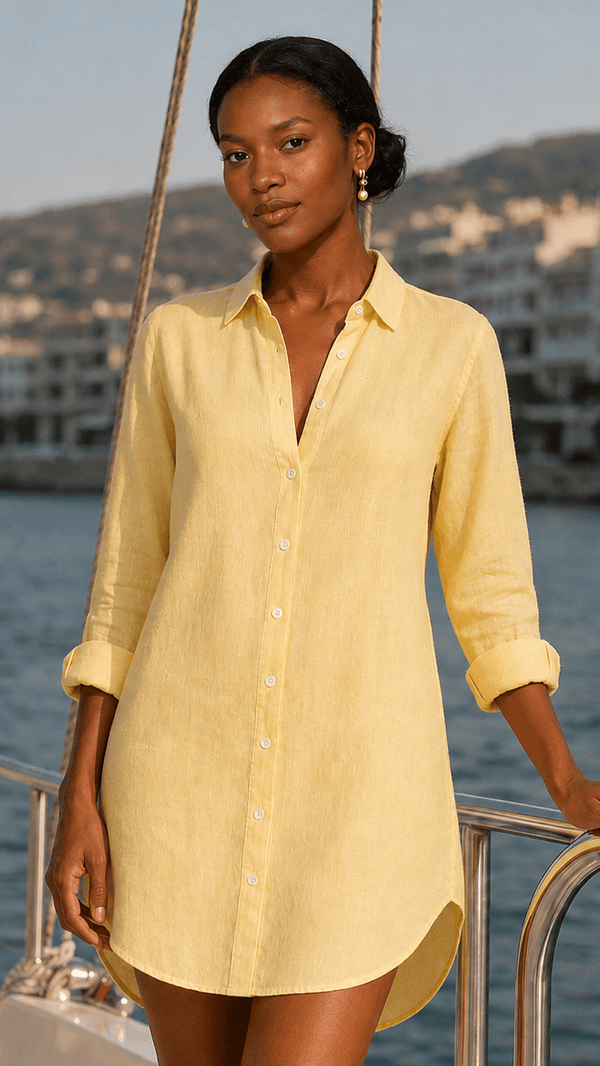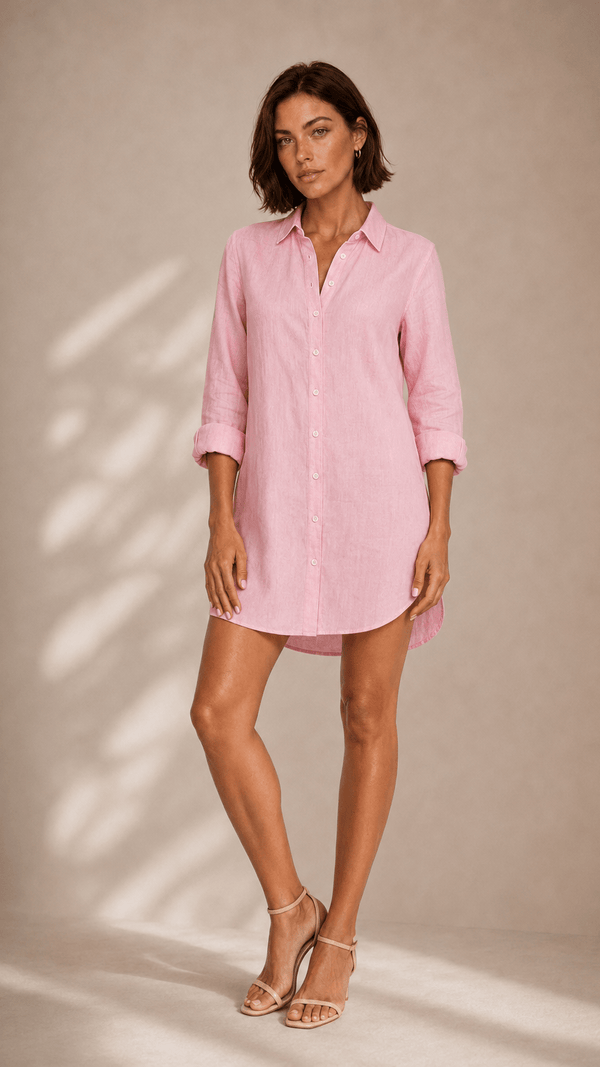
Linen vs Polyester — Why the Comparison Matters
Linen vs Polyester — Why the Comparison Matters
Linen and polyester compared — origin, feel, longevity, and environmental impact.
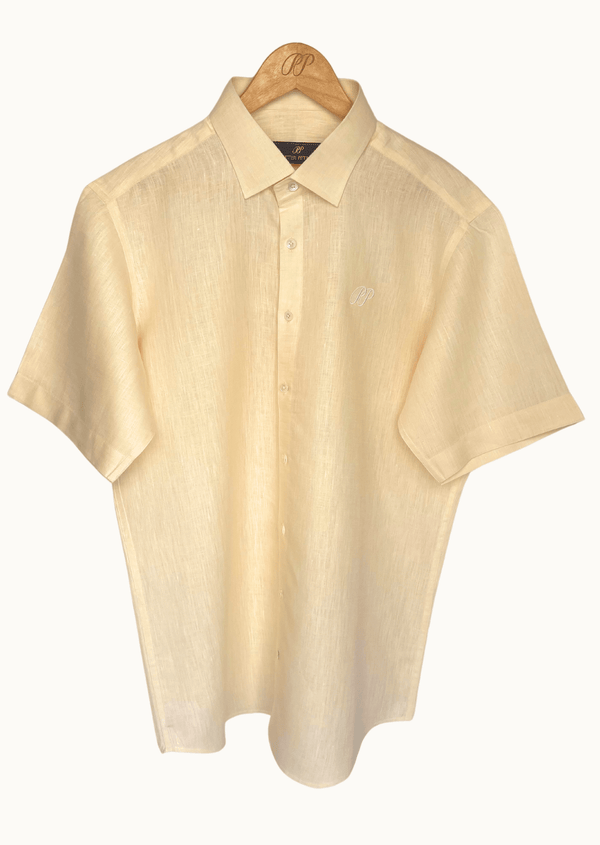
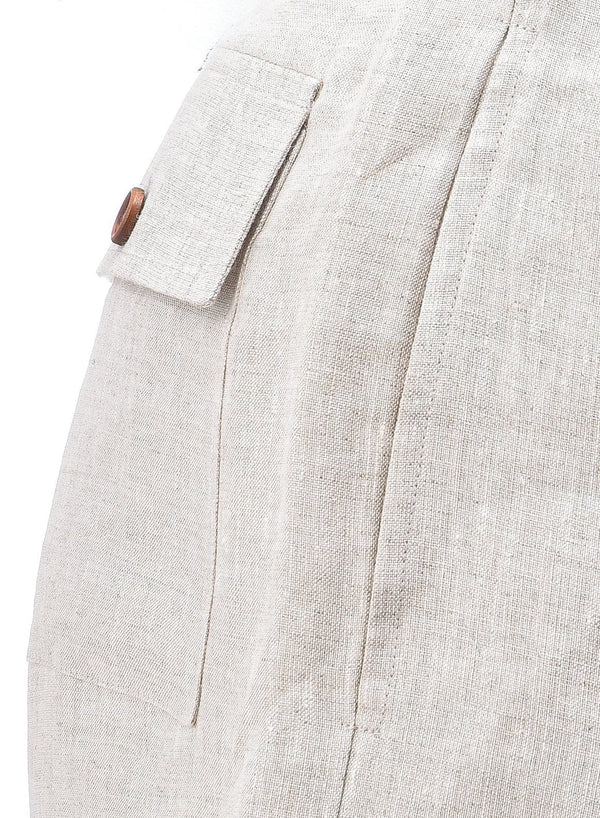
Linen and polyester represent opposite ends of the fabric spectrum — one grown from the earth, the other manufactured from petroleum. The comparison is worth making clearly because the differences are not only material but cumulative over time.
Origin. Linen comes from flax, a plant that grows in temperate climates, requires minimal irrigation, and produces biodegradable fibre. Polyester is produced from polyethylene terephthalate — a petroleum derivative processed through chemical synthesis. One originates in a field. The other in a refinery.
“The difference between linen and polyester is not purely a matter of preference. It is a matter of what the fabric is made from and what that means over time.”
— Pieter Petros, founderFeel and performance. Linen breathes. The hollow flax fibre draws heat away from the body and allows air circulation, making it significantly more comfortable in warm conditions than polyester. Polyester traps heat and moisture against the skin — in hot weather it becomes uncomfortable quickly. Linen also absorbs and releases moisture. Polyester does not absorb moisture at all; it wicks it to the surface, which does not manage sustained heat the way linen’s own fibre structure does — comfortable for neither sport nor everyday wear over a full day.
Longevity. Belgian linen improves with wear. The fibres soften over a season of washing, and the garment becomes more personal and more comfortable over time. Polyester does not change — it remains the same fabric in year five as it was in week one, and tends to pill, develop static, and retain odours over time.
Environmental impact. Every wash of a polyester garment releases microplastic fibres into the water system — fibres that enter rivers, oceans, and eventually the food chain. Belgian linen is fully biodegradable. When the garment reaches the end of its life, it returns to the earth without trace.
Context. Even in performance sportswear, technical outdoor clothing, and waterproof membranes — the applications polyester is built for — the trade-off is the same: no biodegradability, and heat and moisture management achieved mechanically rather than through the fibre itself. For everyday wear, resort clothing, sport, and any context where comfort, breathability, and longevity matter, linen is the correct choice.
Polyester's engineering has a real purpose in waterproof outerwear and technical membranes — but that purpose is protection from the elements, not comfort in sustained heat or during activity. For everyday wear, resort clothing, sport, and any context where comfort, breathability, and longevity matter, linen remains the more considered choice.
The difference between linen and polyester is not purely a matter of preference. It is a matter of what the fabric is made from and what that means over time for the person wearing it.
What Your Clothes Are Doing to the Ocean · Most Breathable Fabric for Hot Weather · Men's Linen Collection