What Your Clothes Are Doing to the Ocean
What Your Clothes Are Doing to the Ocean
On microplastics, synthetic fabric, and a quiet accumulation that begins in the laundry.
Every time a synthetic garment is washed, it sheds fibres. Not visibly — the fibres are too small to see, too small to filter, small enough to pass through water treatment systems and enter rivers, coastal waters, and eventually the open ocean. A single wash cycle releases a measurable volume of microfibres.
They do not dissolve. They accumulate. In sediment, in fish, in the water column itself. They have been found in ocean trenches and Arctic sea ice. The scale of the accumulation is, by any measure, significant — and it is ongoing with every cycle of every synthetic garment washed anywhere in the world.
The source is ordinary. The consequence is not.
Polyester, nylon, acrylic — the fabrics that make up the majority of clothing produced globally — are plastics. They were designed for durability — and they persist in the ocean as much as in the wardrobe. A synthetic fibre released into the water does not break down in any meaningful timeframe. It fragments into smaller pieces. Those pieces are ingested by marine life. They move up the food chain.
"The ocean does not distinguish between a microplastic and a meal. That distinction belongs to us."
— Pieter Petros, founderNatural fibres behave differently. Linen, cotton, wool — grown and processed without synthetic intervention — break down in water and soil. They do not fragment into persistent particles. A linen garment releases fibres that return to natural cycles. When it reaches the end of its life, it returns there.
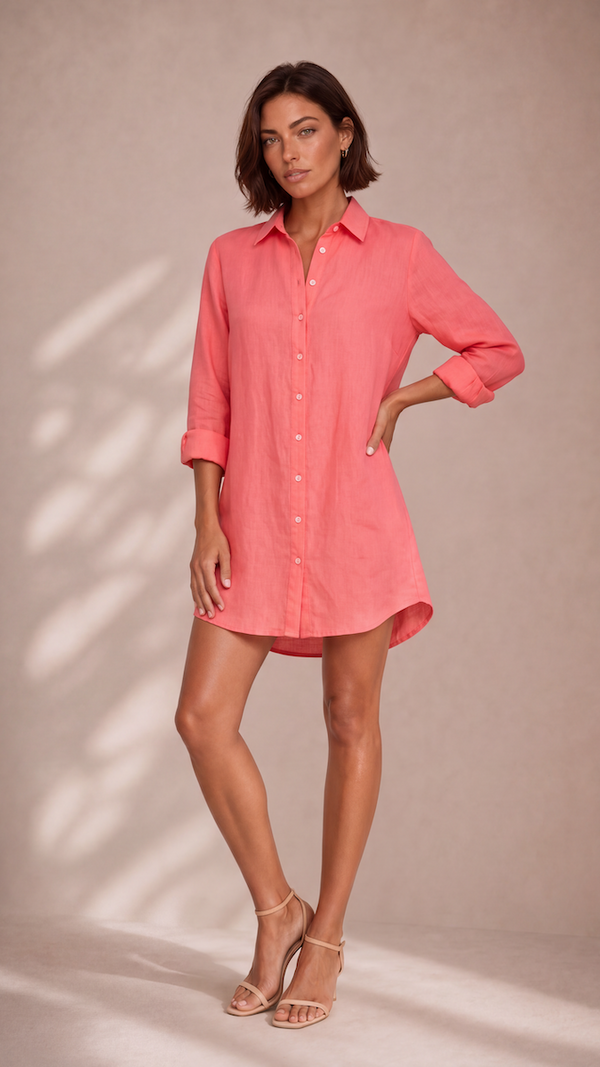
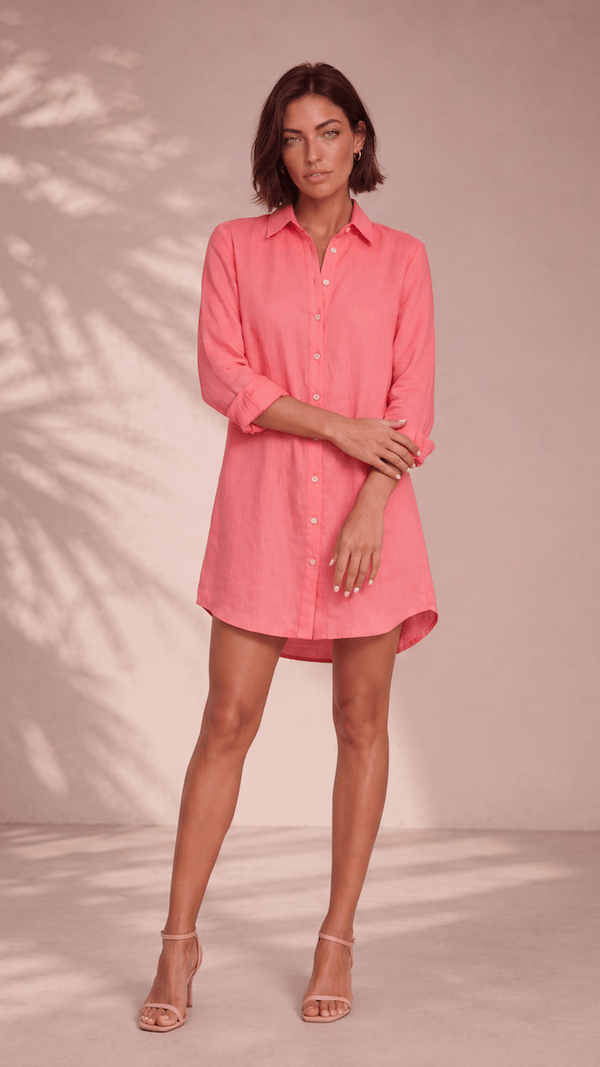
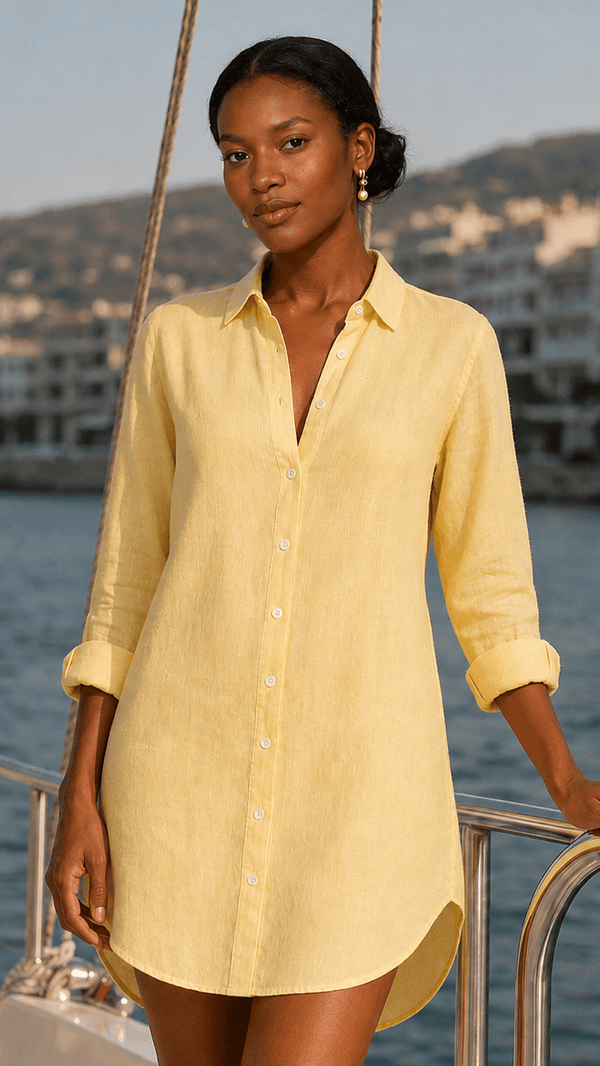
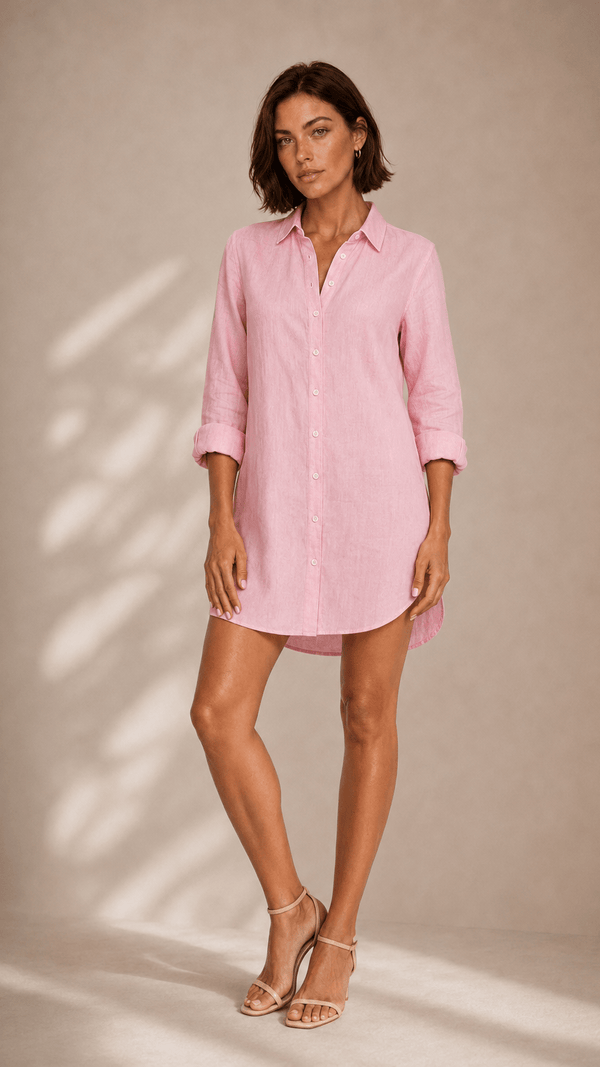
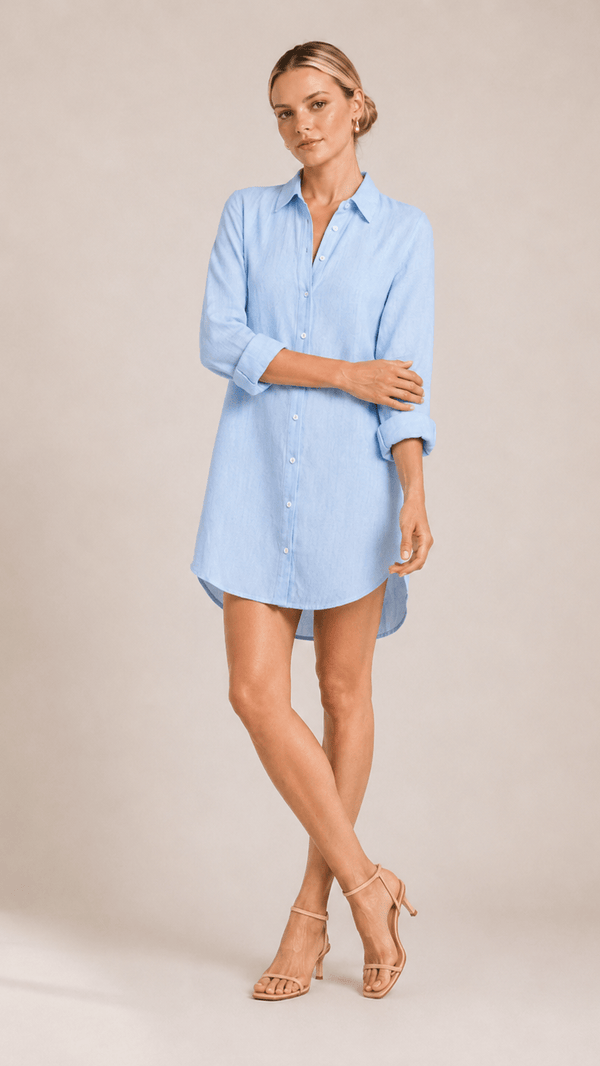
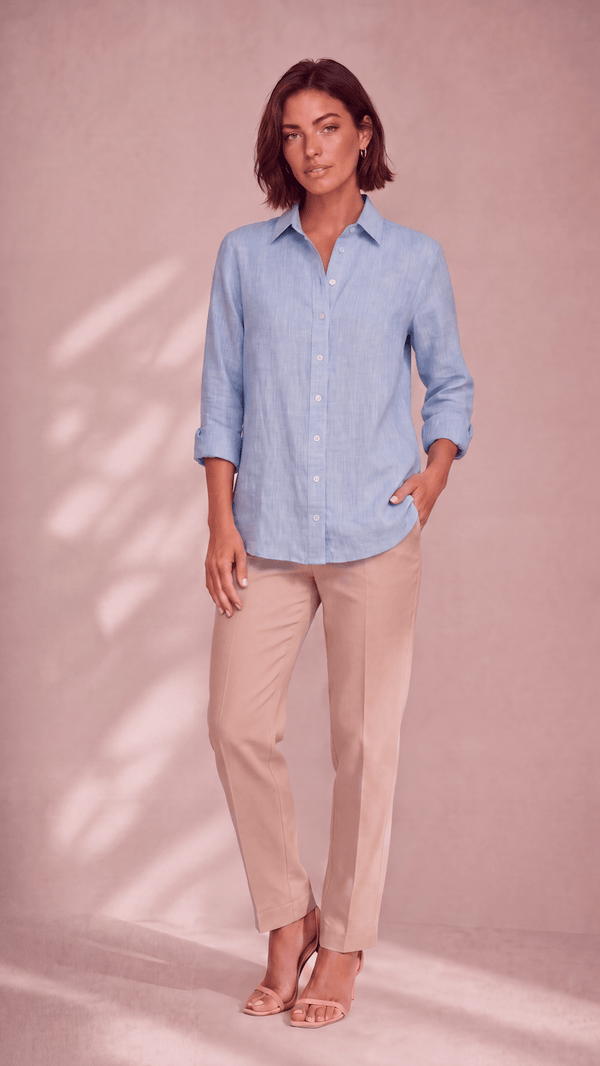
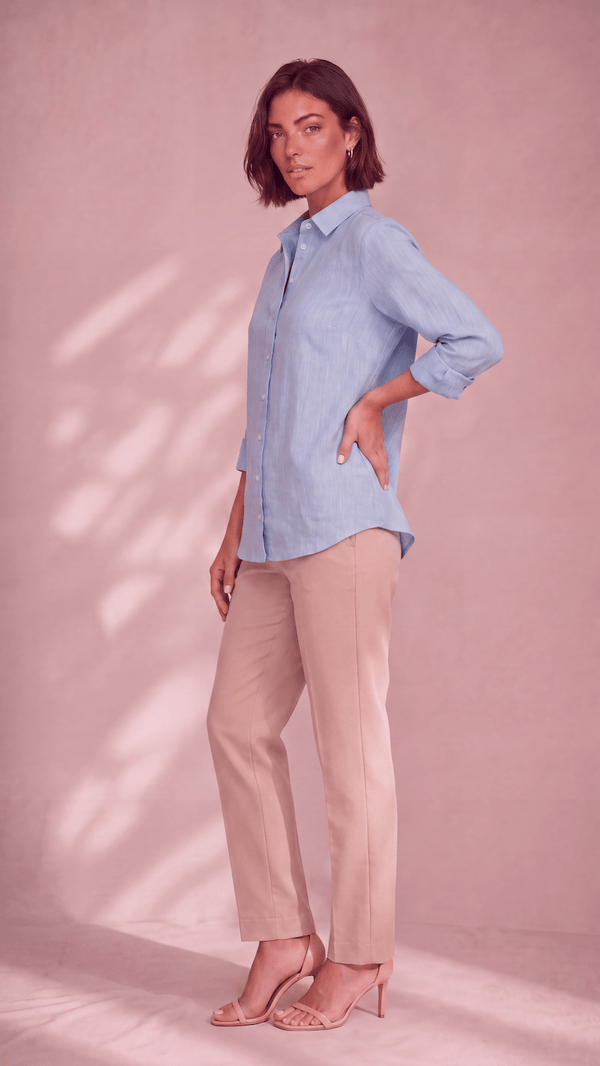
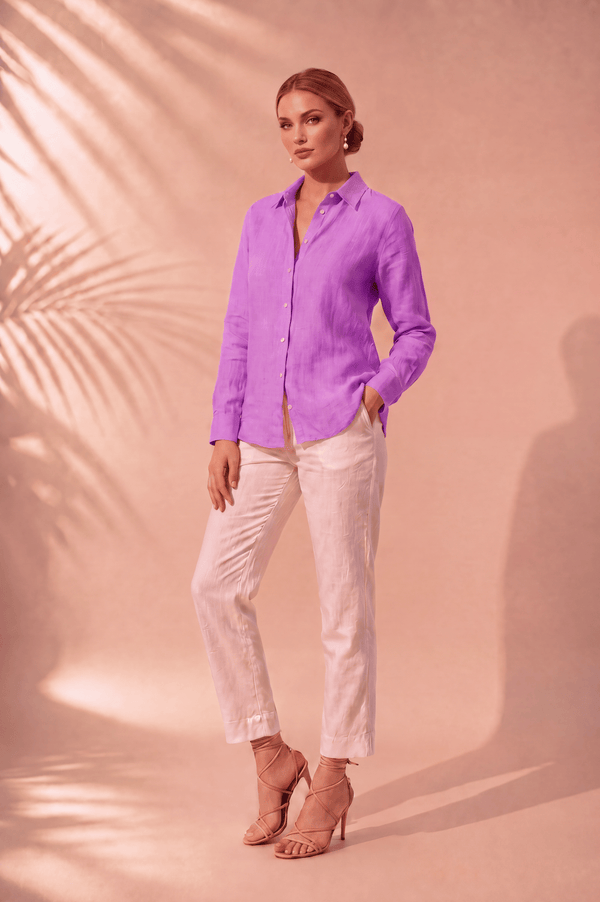
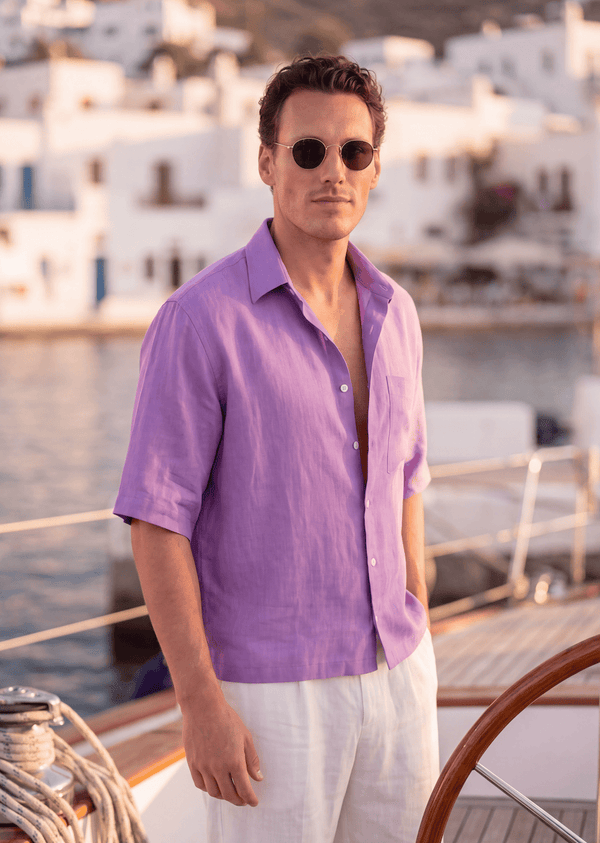
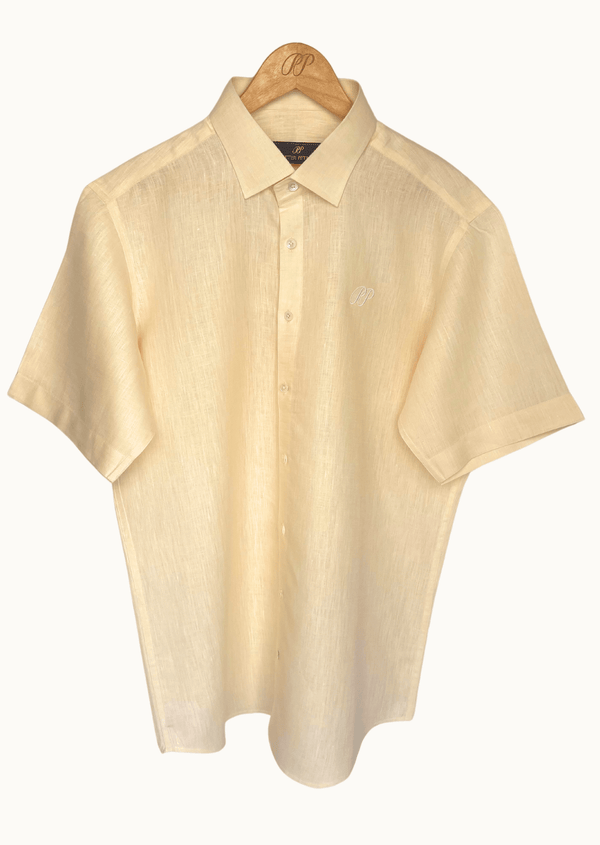
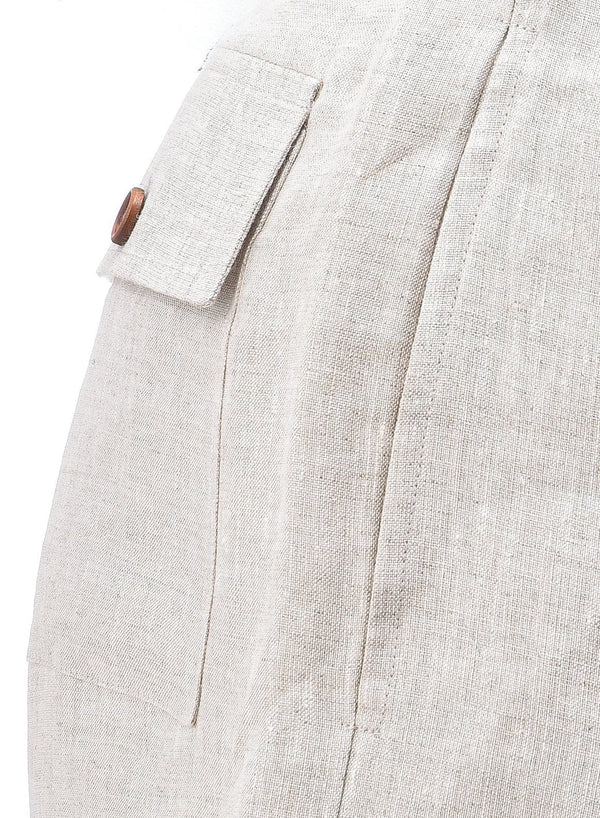
This is the practical case for natural fabric — not aesthetic, not philosophical, but physical. The material either persists in the environment or it does not. Belgian linen does not. Each PP garment is chosen precisely for what it does not leave behind — whether from the women's collection or the men's.
The choice of what to wear is, among other things, a decision about what enters the water. Most people making that decision are not aware of it. The information exists. It is simply not present at the point of purchase.
At Pieter Petros, it is present from the beginning — in the sourcing, in the construction, and in every piece that leaves the atelier.
The ocean is not abstract. It is the place many of us spend the best parts of the year.
What we wear into it — and wash after — is a choice worth considering.