Linen vs Linen Blend — Why 100% Natural Linen Is the Only Specification
Linen vs Linen Blend — Why 100% Natural Linen Is the Only Specification
Linen vs linen blend — why blends exist, what you lose, what you gain, PP's 100% certified Belgian linen position.
A linen blend shirt — linen mixed with cotton, polyester, or elastane — is not the same product as a 100% natural linen shirt. Understanding the specific differences, and why PP uses 100% certified Belgian linen with no blending, resolves a common buying confusion.
Why blends exist. Linen blends are produced to address specific characteristics of pure linen that some buyers find challenging: the tendency to crease, the initial stiffness before it softens with washing, and the relatively higher price compared to cotton. By blending linen with cotton, polyester, or elastane, manufacturers can produce a fabric that creases less and costs less — but at the cost of the natural material purity and the improving trajectory that 100% linen delivers.
“A linen blend cannot carry a Belgian Linen Masters certificate of origin. The buyer of a linen blend is trading natural purity, the improving trajectory, and superior breathability for a fabric that is easier and cheaper at the moment of purchase.”
— Pieter Petros, founderWhat you lose in a blend. A linen-polyester blend is not 100% biodegradable — the polyester component sheds microplastics with every wash. A linen-cotton blend does not have the same breathability as 100% linen — the cotton fibres reduce the open weave structure that produces linen's superior breathability. A linen-elastane blend does not soften and improve in the same way as 100% linen — the elastane prevents the fibre rearrangement that produces genuine long-term softening. A linen blend cannot carry a Belgian Linen Masters certificate of origin, because the certificate applies only to 100% certified Belgian linen fabric.
What you gain in a blend — honestly. Less creasing in the short term. A softer hand at the time of purchase (before the 100% linen has been washed). A lower purchase price. These are real benefits for some buyers — they are not worthless trade-offs. But they are trade-offs: the buyer of a linen blend is trading the natural purity, the improving trajectory, the superior breathability, and the certification for a fabric that is easier and cheaper at the moment of purchase.
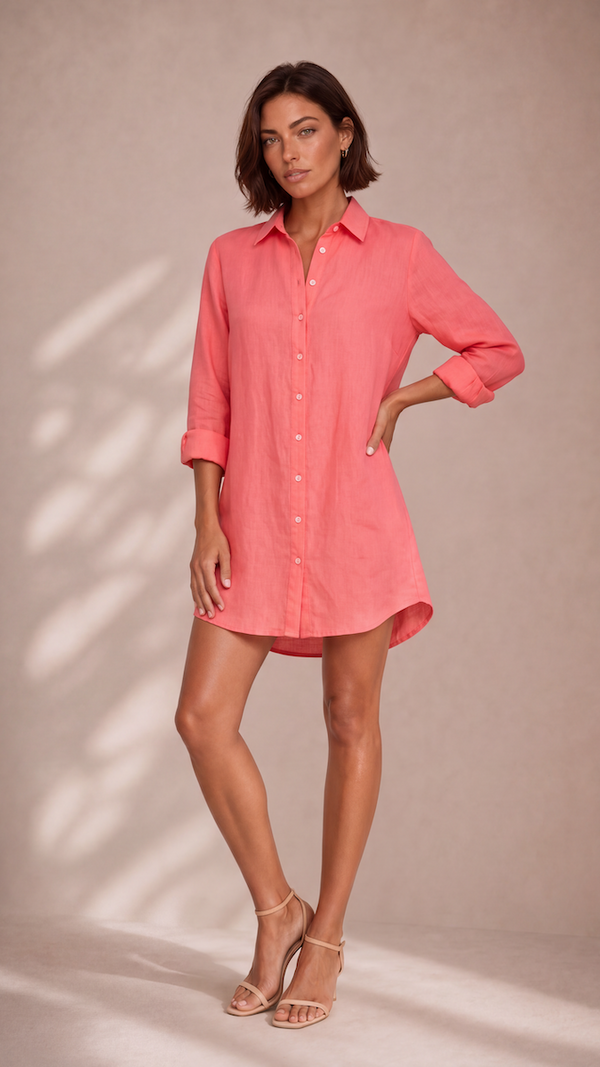
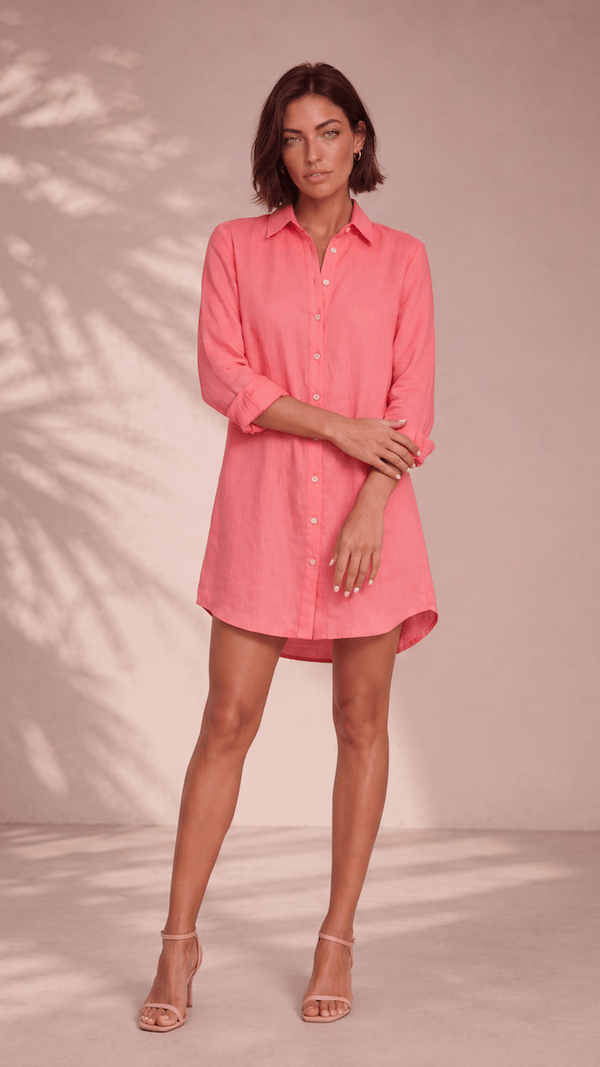
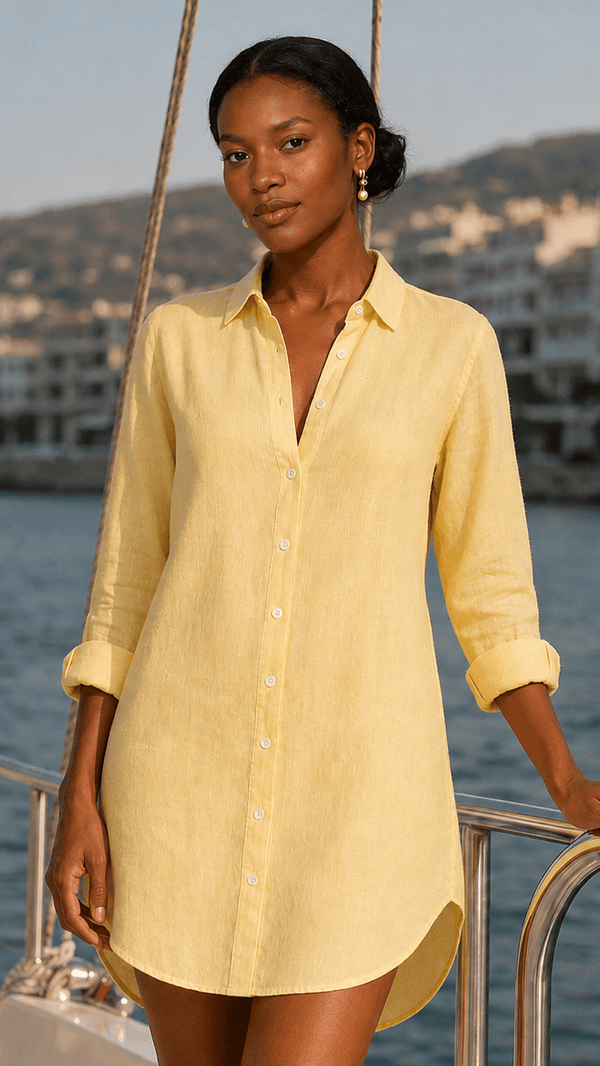
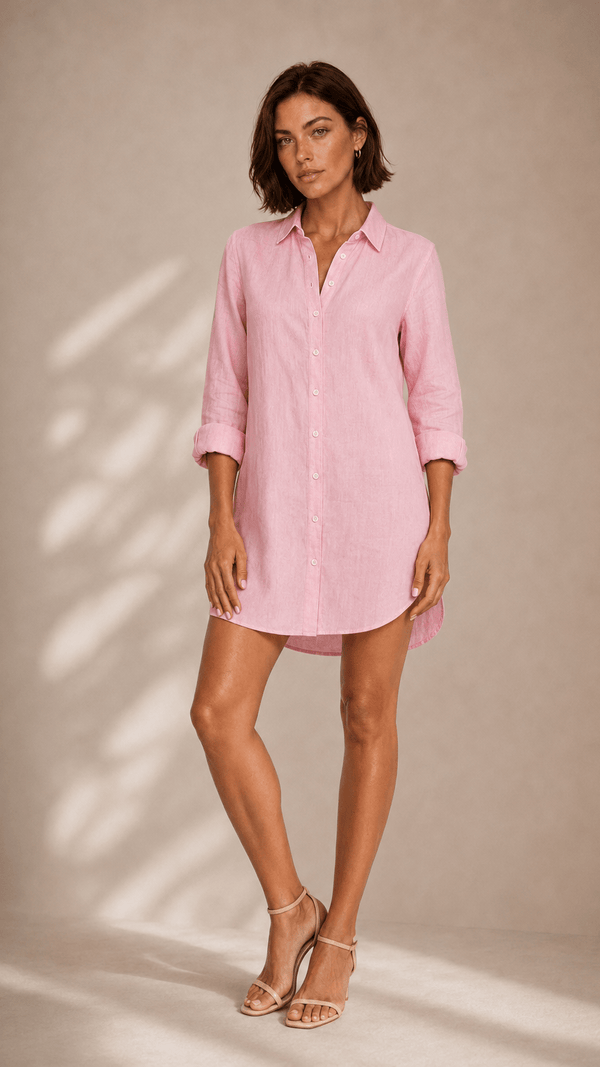
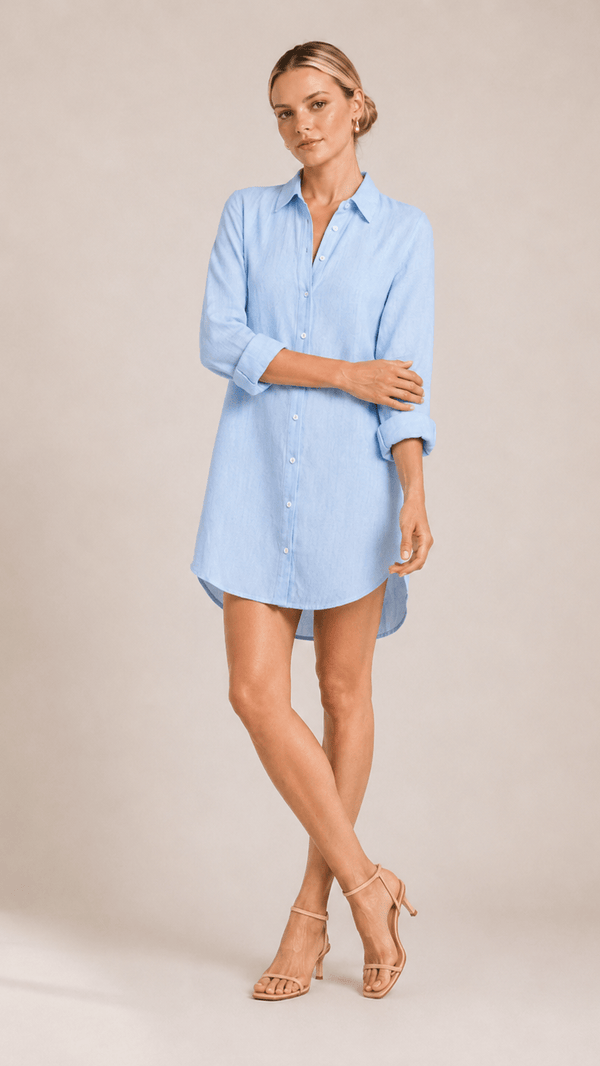
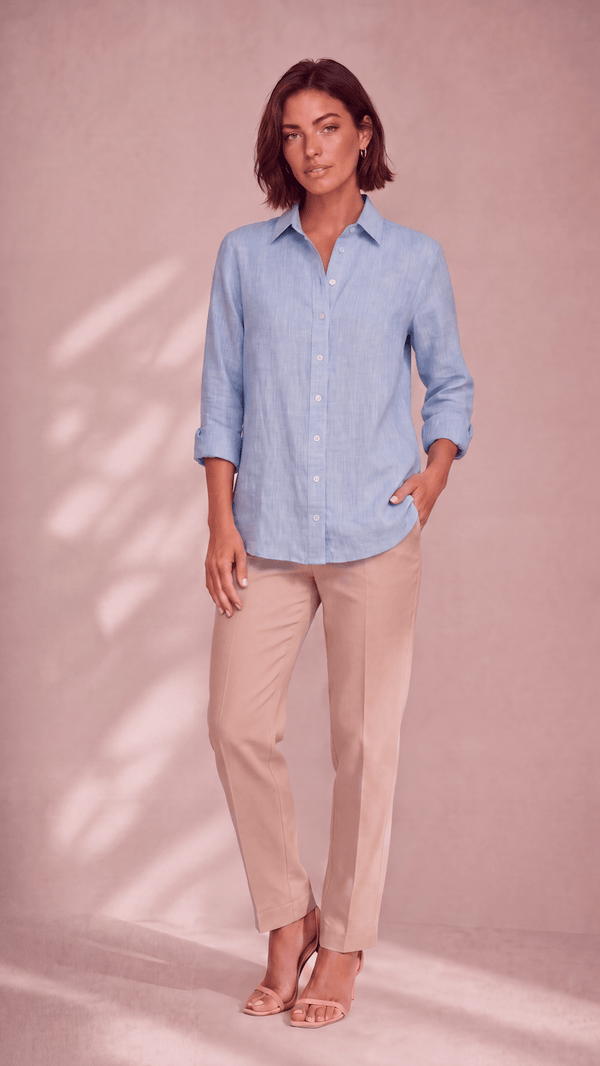
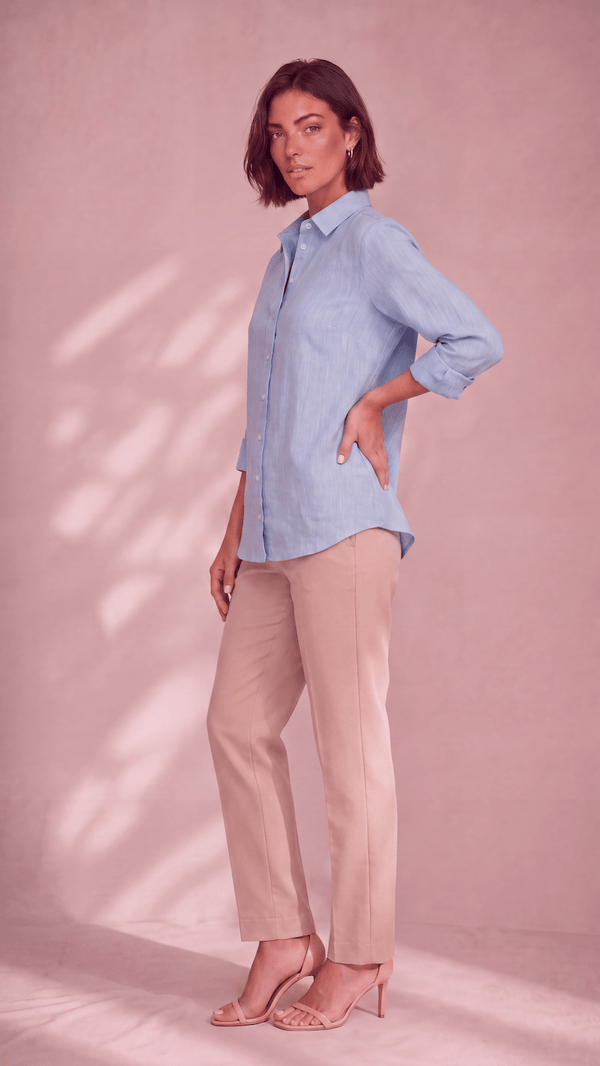
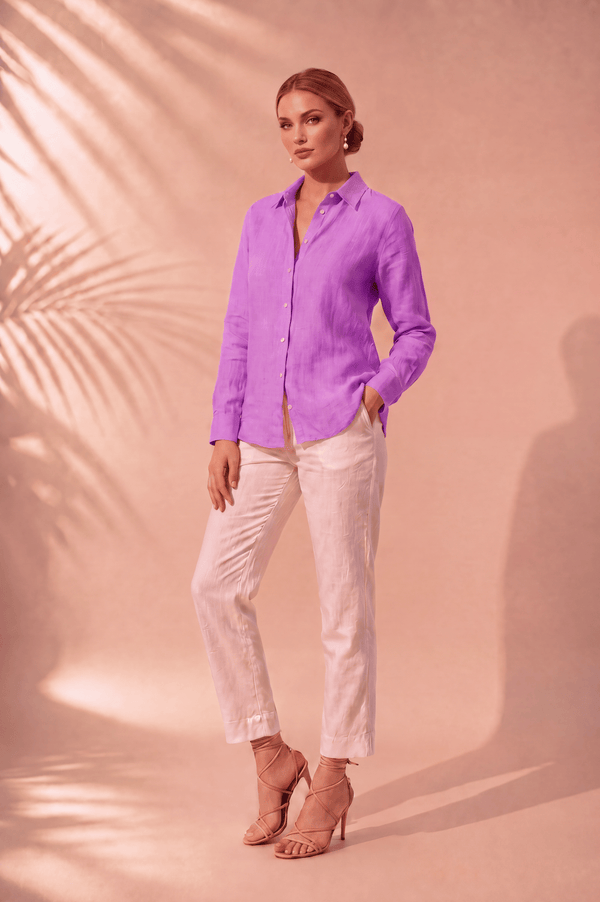
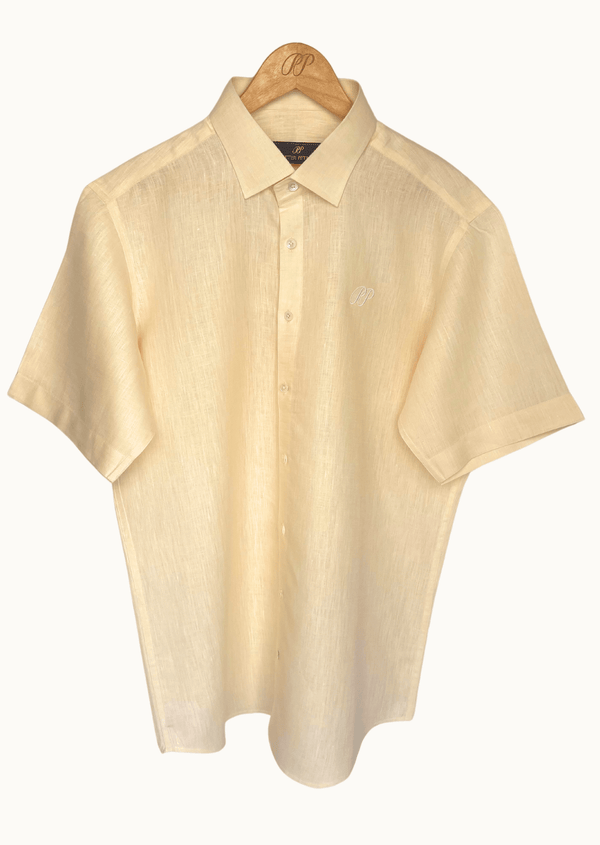
PP's position. PP uses 100% certified Belgian linen — no blending. Every PP garment that carries a certificate of origin is unblended natural fibre throughout.
Buy Natural Linen Shirt · What Makes a Linen Shirt Different · Men's Linen Collection