What Is Traceable Linen — Following Flax From Field to Cloth
What Is Traceable Linen — Following Flax From Field to Cloth
Three labels, three stages, and what each one can and cannot tell the person holding the cloth.
Traceable linen is linen whose journey can be followed, with documents, back through each stage of its making: the field where the flax was grown, the mill where the fibre was separated from the stem, the spinner, the weaver. The word does not describe how the cloth looks or feels. It describes what can be proved about where it came from. In a material as widely made and as widely misnamed as linen, that proof is the difference between a claim and a fact.
Linen's chain is long. Flax is sown in spring, pulled from the ground in summer, left in the field to ret, then scutched and hackled into long fibres, spun into yarn, woven into cloth, finished and finally cut and sewn. At each step the material can change hands, and often changes countries. Traceability means that at every handover the origin travels with it, on paper.
“Provenance is not a feeling about a cloth. It is a record that follows it.”
— Pieter Petros, founderThe field: European Flax. Most of the world's fibre flax is grown in a coastal belt of Western Europe, from Normandy through Belgium to the Netherlands, where a cool, damp climate suits the plant. The European Flax certification, run by the Alliance for European Flax-Linen & Hemp, guarantees that a fibre is of Western European origin, from France, Belgium or the Netherlands, and follows that fibre through the value chain. It is the first link: proof of where the flax was grown.
The making: Masters of Linen. A fibre can be grown in Europe and still be spun and woven far away. The Masters of Linen certification, from the same Alliance, covers the processing. Since September 2025, its baseline has been certified European flax-linen from fibre to yarn to fabric, with every stage carried out by European companies under a chain-of-custody system. It is the label that answers where the yarn was spun and the cloth woven.
The weaving: Belgian Linen. The Belgian Linen label is a registered mark authenticated by the Belgian Flax and Linen Association. It applies to fabric woven in Belgium from flax of European origin, containing at least 85 percent flax by weight, and each certified fabric carries a certificate with its own number. The label sits at the weaving stage and draws on the flax behind it, which is why the certificate is often described as following the flax from the field to the cloth. The Journal's page on the Belgian linen certificate of origin explains how that certificate works.
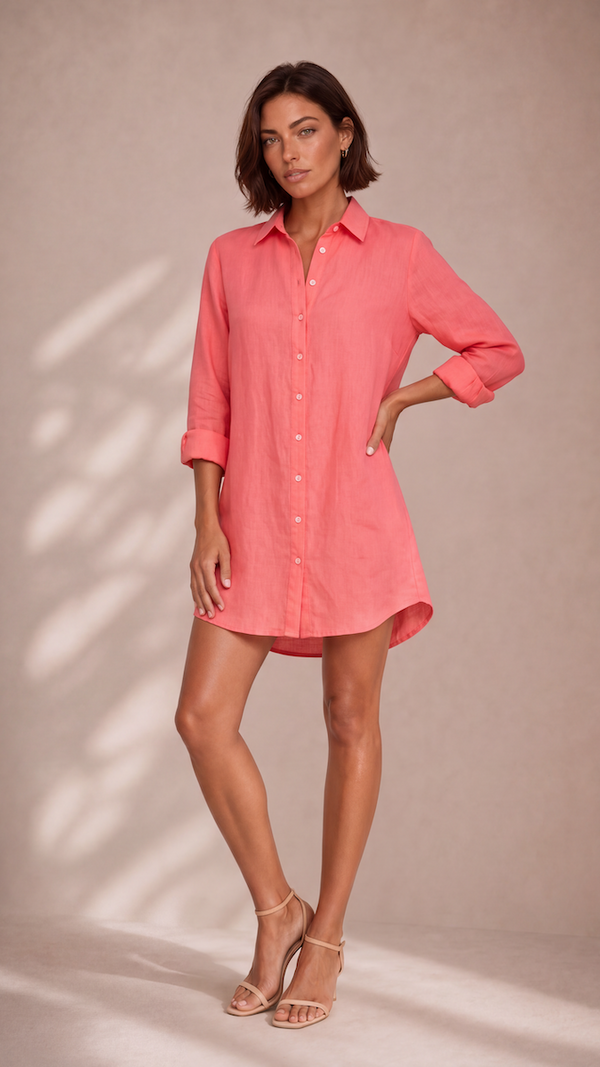
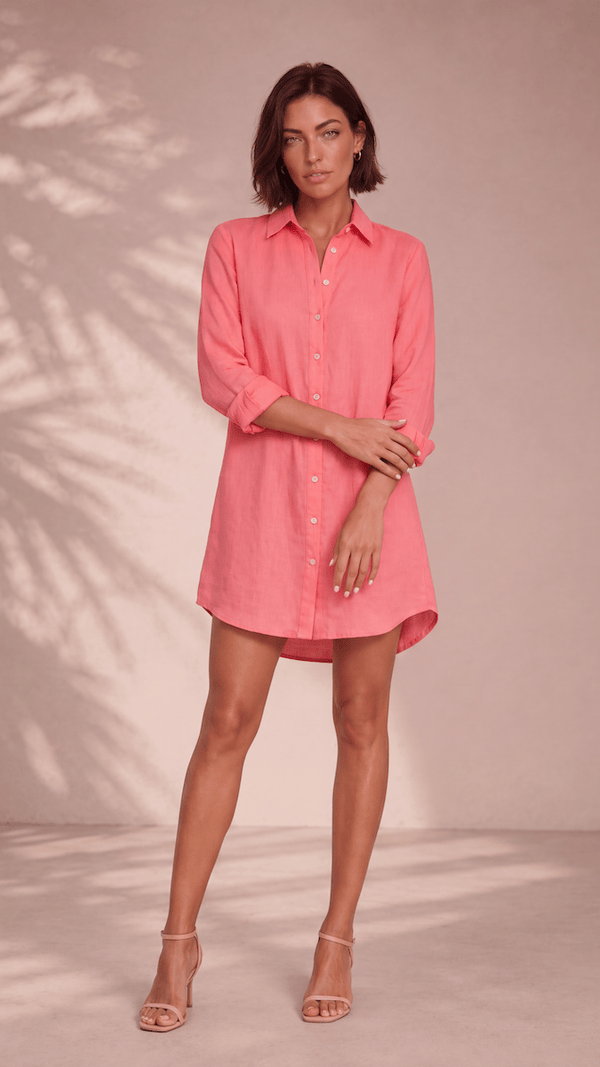
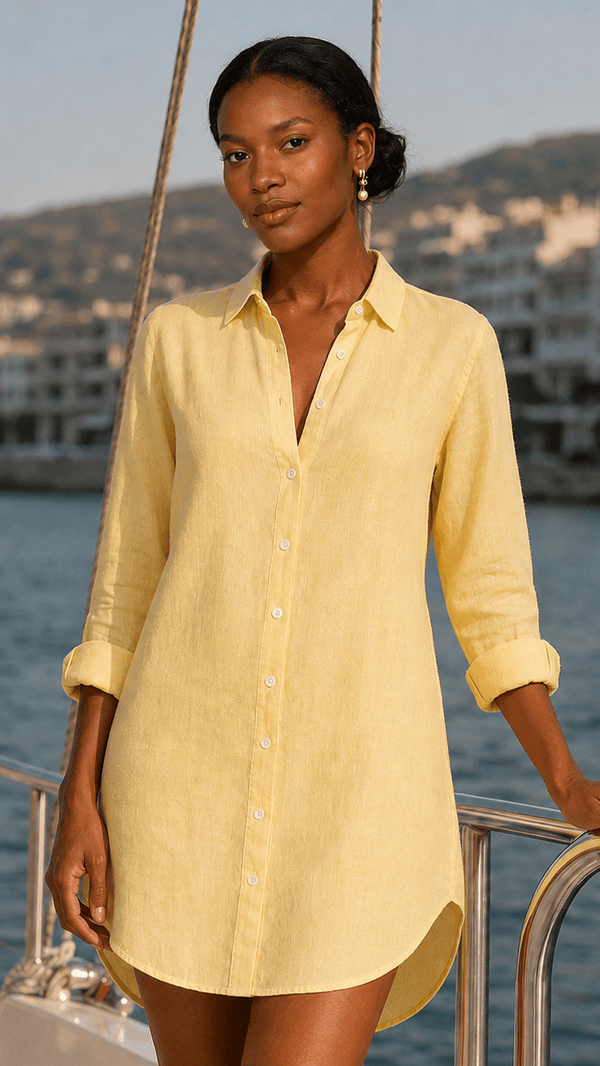
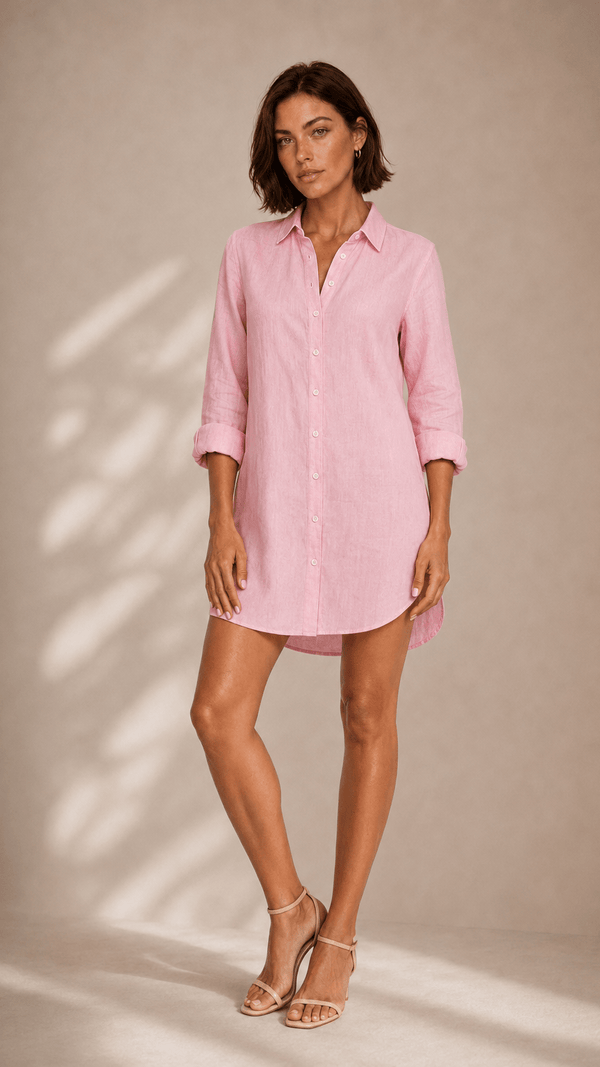
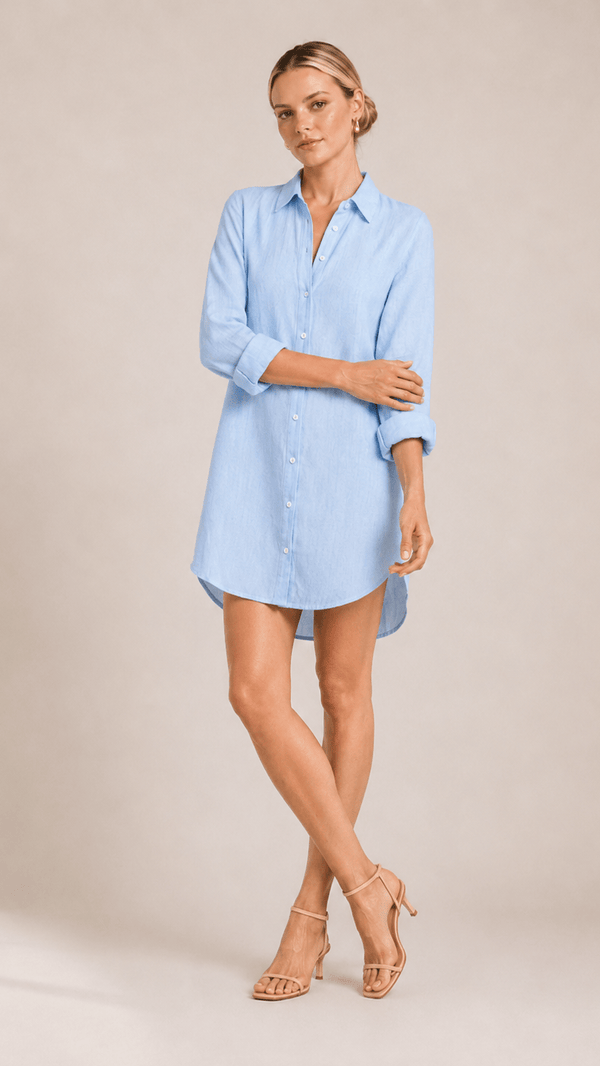
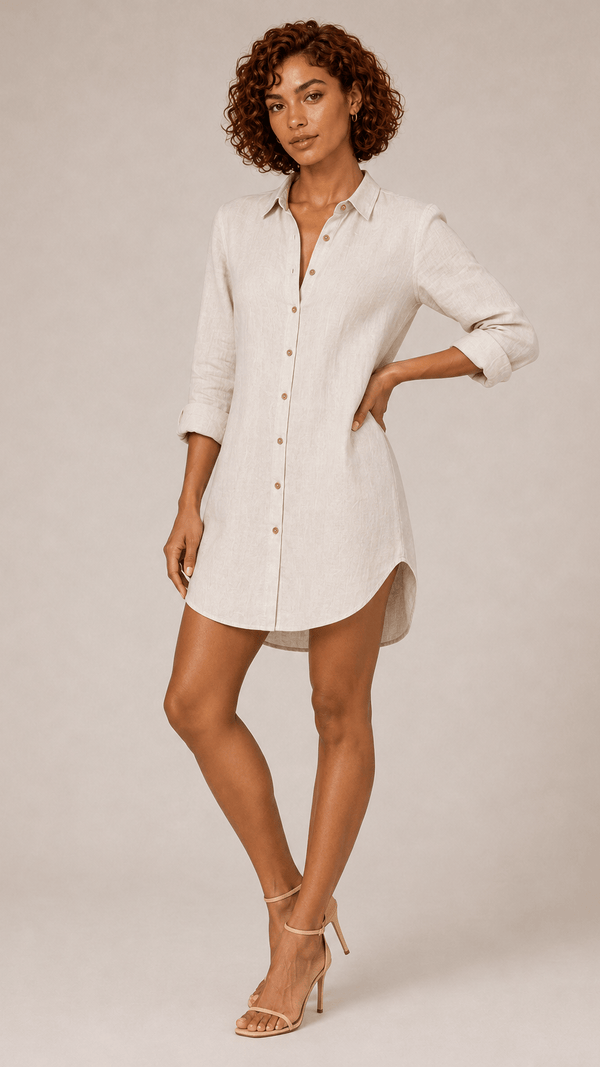
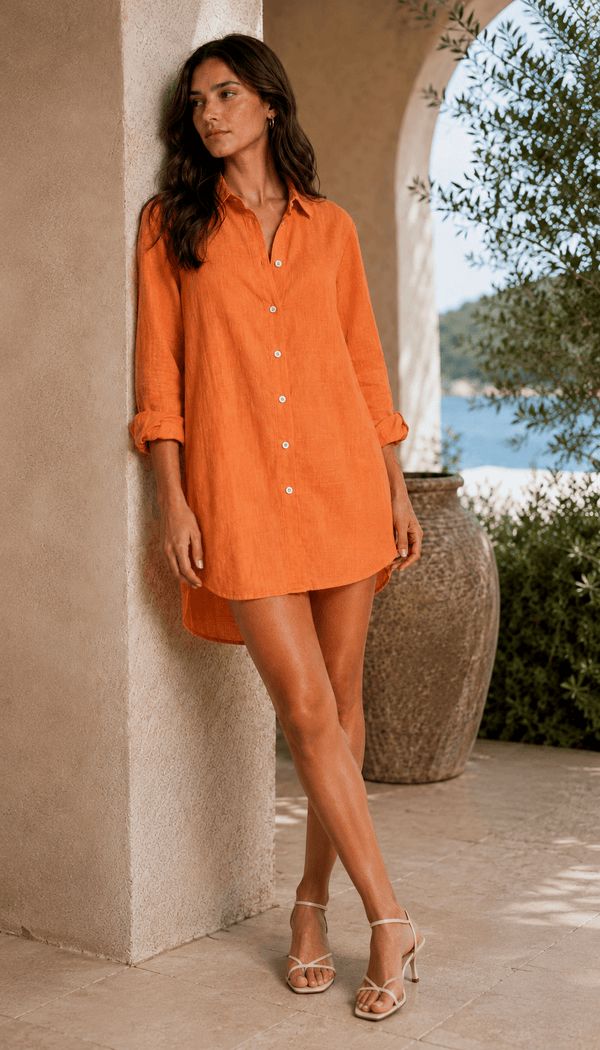
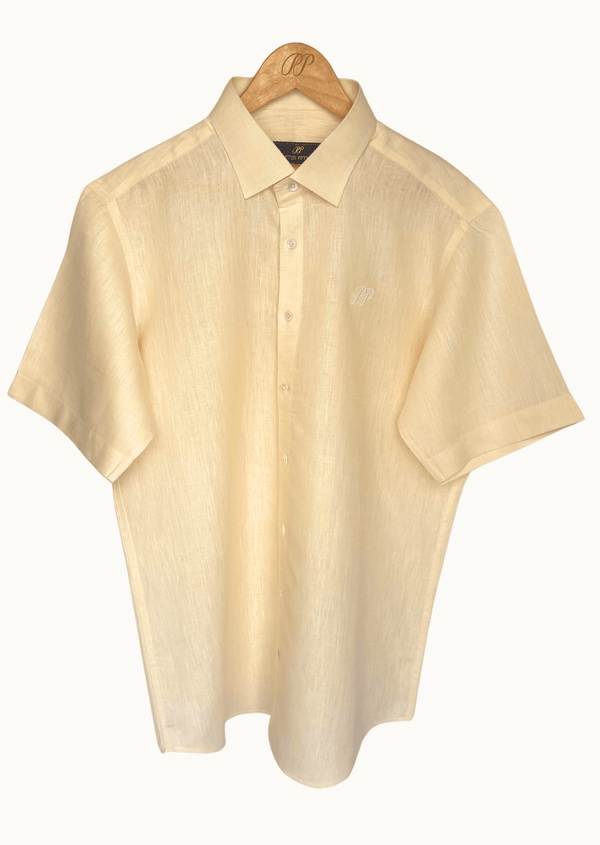
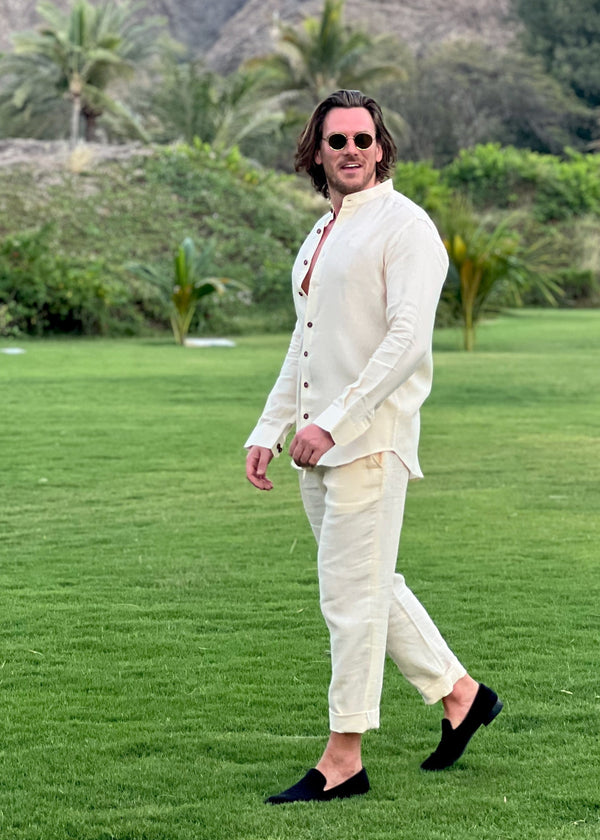
What a label does not cover. Each of these marks speaks to the fibre, the yarn or the fabric. None of them describes the cutting and sewing of a garment, which happens after the cloth leaves the weaver. That last stage is the maker's own record. At PP, the garments are handmade in the Dubai atelier and in Belgium; the Amelia linen dress shirt, for instance, is made in certified Belgian linen in its Coral Orange, Violet, Hibiscus, Oyster and Dubarry colourways, while its Lemon, Pink and Blue colourways are natural linen.
Why it matters. The word linen is used loosely. Blends with little flax, cloth woven from fibre of unknown origin and fabric that only borrows a country's name can all be sold as linen. Traceability is what separates them. For the person wearing the garment, it means the softness, the breathability and the way the cloth ages can be trusted to come from what the label says. Checks that can be made by hand, without any paperwork, are a separate matter: how to tell if linen is real.
How to check. A traceable claim should come with something that can be checked: a label naming a certification, a certificate number, a stated country of weaving. Vague phrases such as "premium flax" or "inspired by European tradition" are not traceability. Where the record exists, it is usually stated plainly.
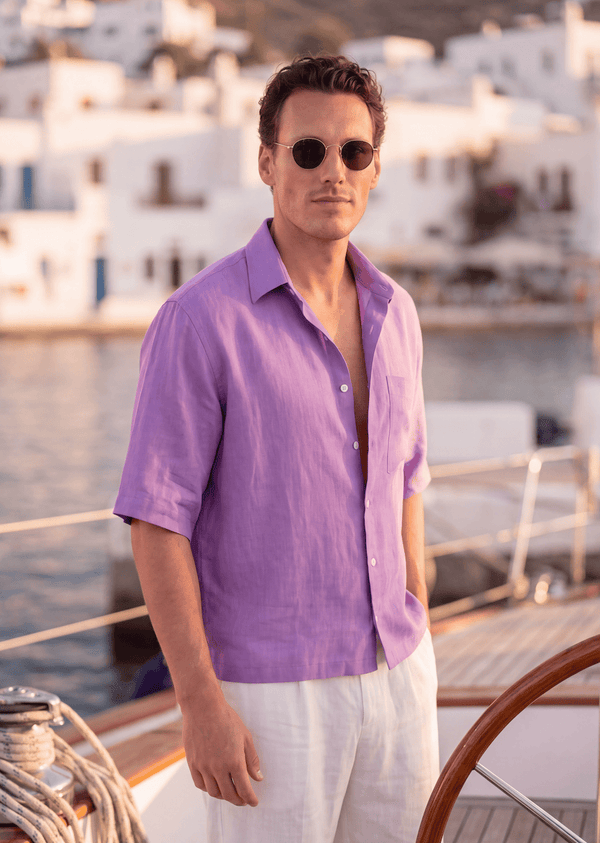
Flax is pulled by the root rather than cut, so that the full length of fibre is kept. Traceability keeps the full length of the story in the same way: from a field in Flanders or Normandy, through each pair of hands, to the shirt on a shoulder thousands of kilometres away.
Read more: The 100% Belgian Linen Guide · What Is a Certificate of Origin for Linen