What Is Handkerchief Linen? — The Lightest Weight, Explained
What Is Handkerchief Linen? — The Lightest Weight, Explained
A name borrowed from the pocket square, now used for the finest end of shirting and blouse cloth.
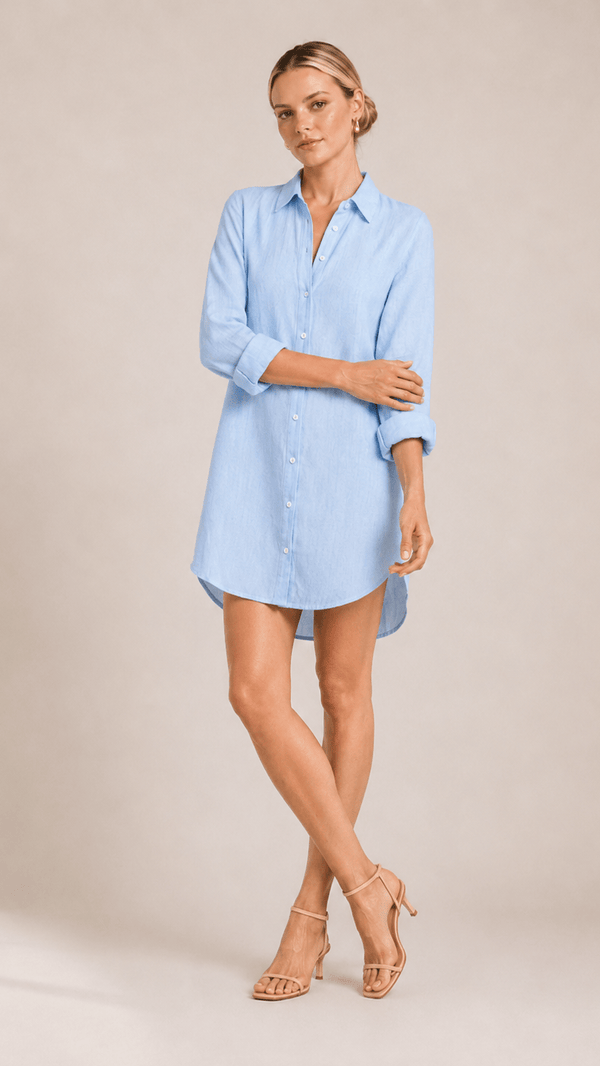
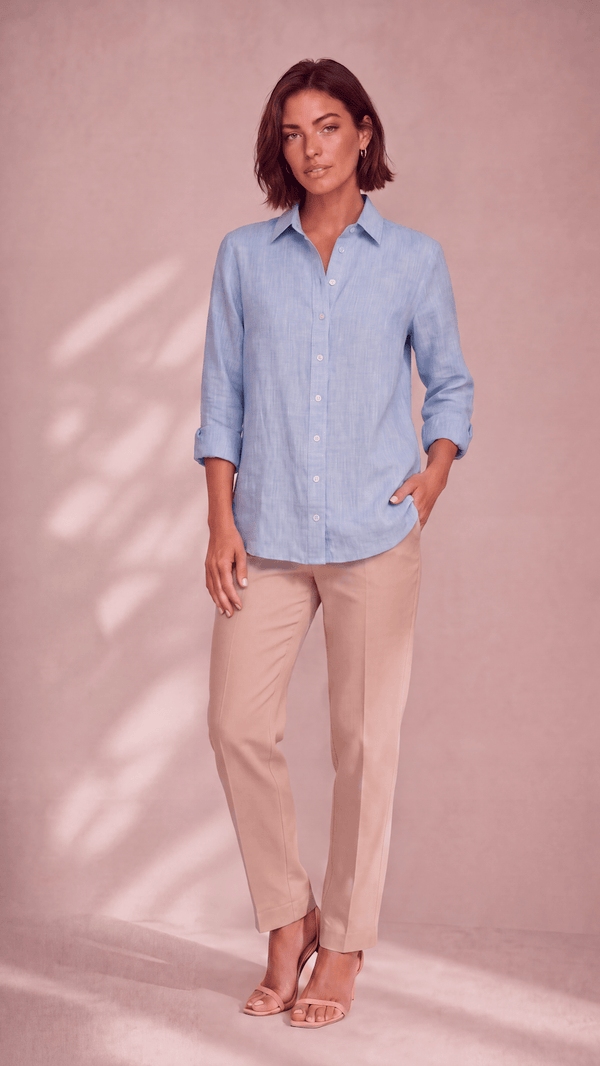
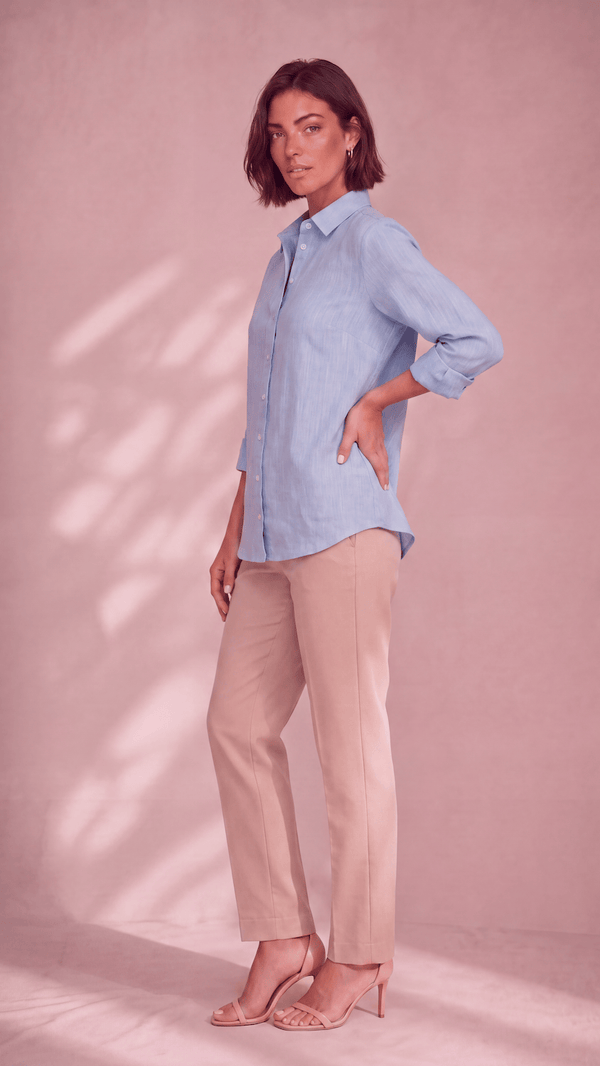
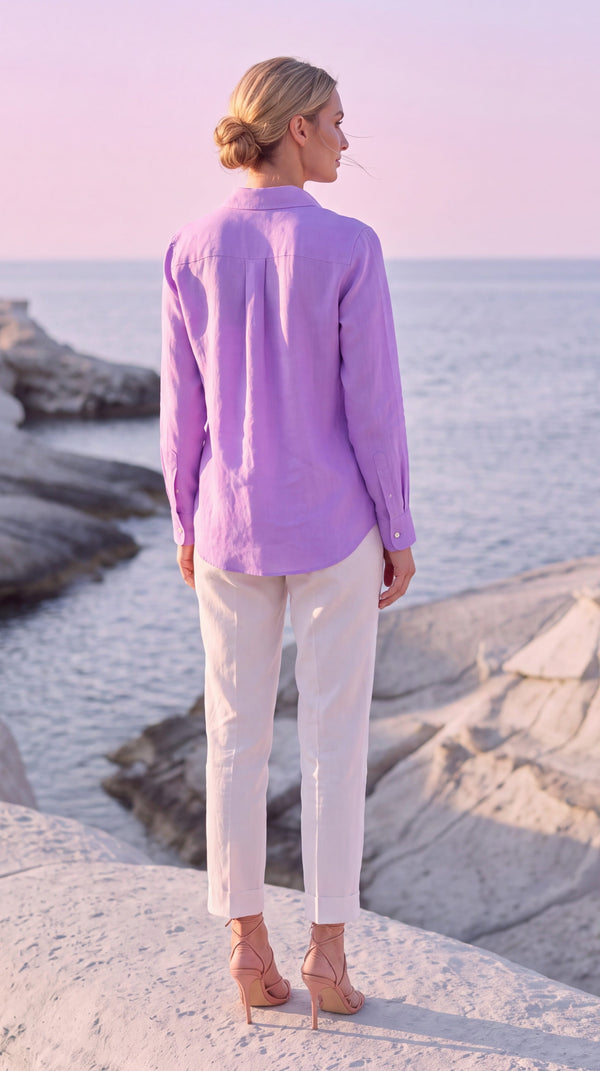
Handkerchief linen is a fine, lightweight linen in a plain weave, soft enough to fold into a pocket and thin enough to see light through when held up to a window. The name comes from its first use: the linen handkerchiefs carried in Europe for centuries, which needed to be soft against the face, absorbent and easy to wash. Today the term describes a weight and a hand rather than a single product, and it is used for shirts, blouses and summer dresses as often as for anything in a pocket.
There is no official standard for the name. Weavers and cloth merchants generally use it for linen around 3.5 to 4 ounces per square yard, roughly 120 to 135 grams per square metre, though some sell finer cloth under the same label. By comparison, a typical linen shirting is somewhat heavier, and the linen used for trousers and jackets heavier still. The linen fabric weight guide places these weights on the wider scale.
“The finest linen is not the heaviest. It is the one in which every thread has earned its place.”
— Pieter Petros, founderLightness of this kind begins in the fibre. To spin a yarn fine enough for handkerchief weight, the spinner needs long, strong line fibres, the longest part of the flax stem separated during hackling. Short tow fibres make thicker, rougher yarns and cannot be spun so fine without breaking. This is why long-staple linen fibre matters most at the fine end of the scale. Fine yarns are traditionally wet-spun, drawn through warm water so that the natural pectins soften and the fibres slide together into a smooth, even thread.
The weave is almost always plain: one thread over, one under, the simplest structure in weaving. In a fine cloth this gives an even, slightly crisp surface with small natural slubs, the irregular thickenings that show the yarn is flax rather than a regular manufactured filament. Basket, herringbone and the other linen weave types are rarely used at this weight.
How does handkerchief linen wear? It is among the coolest linens to wear. Air passes through the open structure easily, the fibre takes up moisture and lets it go, and the cloth weighs almost nothing on the shoulders. It drapes and moves more than a heavier shirting, and it creases more readily as well, in the soft, irregular way of all linen. It also softens markedly with washing, more quickly than heavier cloth. The trade-off is opacity: in pale colours, a fine linen can show what is beneath it, which is why it is so often chosen for blouses worn over a camisole and for shirts in deeper colourways. The question is examined further in is linen see-through?
Thread count is sometimes quoted for fine linen, borrowed from the language of bed sheets, but it says less about linen than about cotton. Linen yarns vary in thickness by nature, and a lower thread count of fine, long fibres can produce a more beautiful cloth than a higher count of coarse ones.
There are a few simple ways to recognise a genuinely fine linen in the hand. Hold it to the light: the weave should be even, with slubs scattered naturally rather than in bands. Crush a corner in the palm and release it: fine linen keeps the crease, but in soft, rounded folds rather than sharp, papery lines. Feel the surface: it should be cool to the touch, smooth rather than hairy, and dry rather than slippery. And look at the seams of a finished garment: fine cloth frays easily, so a well-made piece finishes its seams cleanly on the inside.
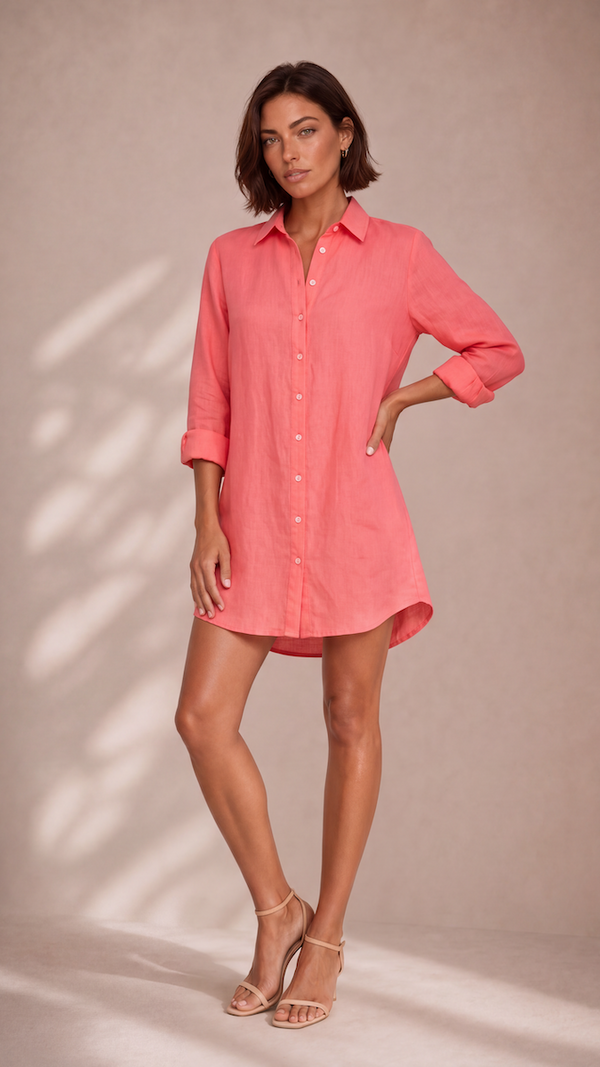
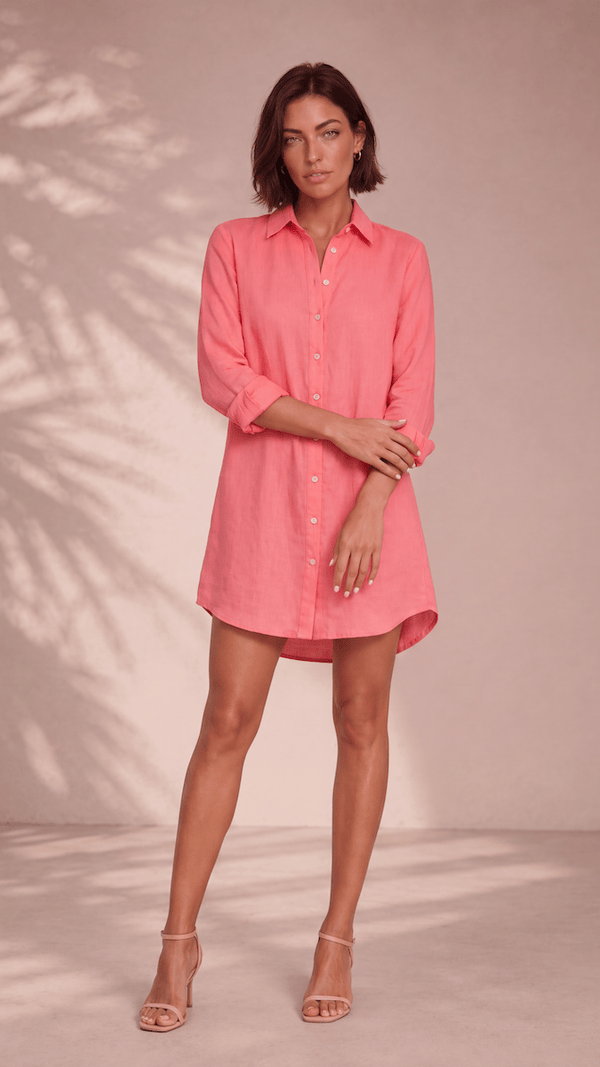
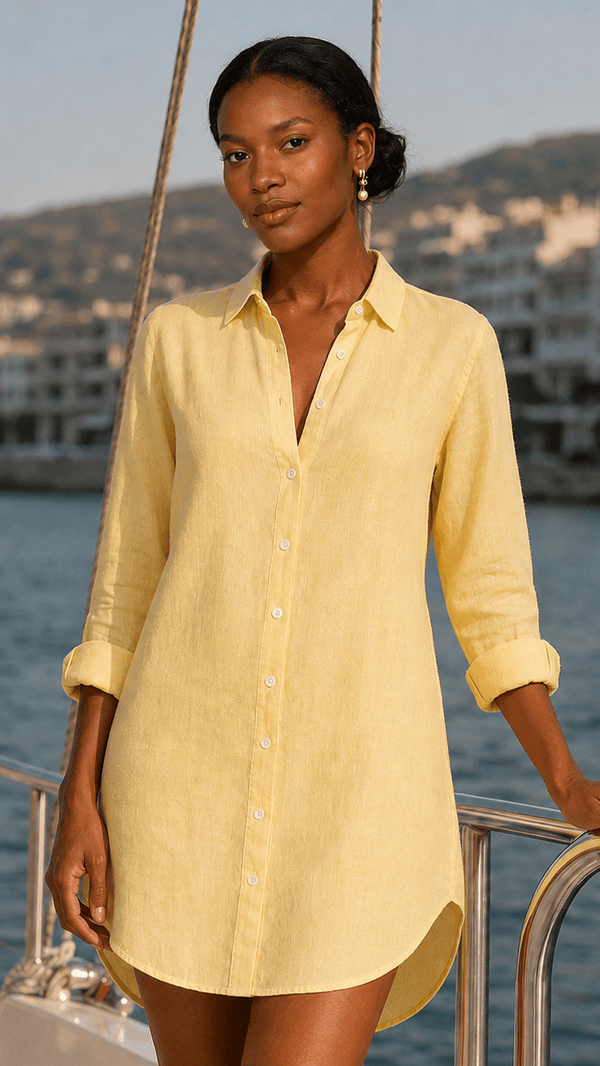
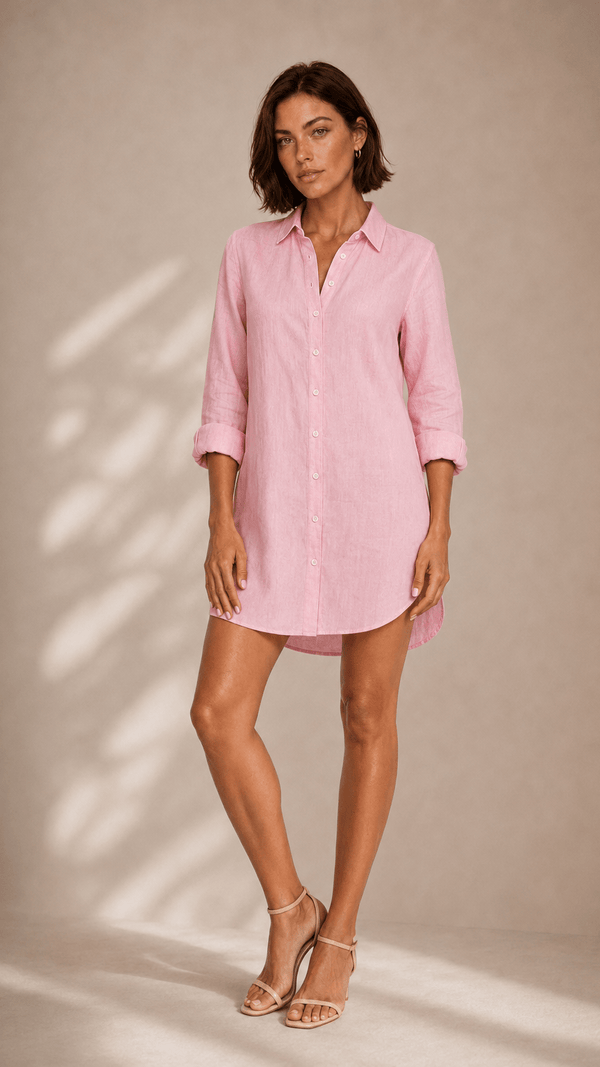
The PP collection covers a range of linen cloths, from the shirtings of the PP linen shirts to the trousers.
Read more: Linen Quality Grades · Wet-Spun Linen