Sustainable Luxury Brand — The PP Natural Fabric Position
Sustainable Luxury Brand — The PP Natural Fabric Position
Sustainable Luxury Brand — The PP Natural Fabric Position
A luxury cashmere coat may carry a polyester lining. A silk scarf may be sewn with synthetic thread. A "sustainable" luxury bag can be leather on the outside and petroleum derivative on the inside. The sustainable luxury brand landscape is crowded with gestures — a carbon offset programme here, a recycled packaging initiative there — applied to a production model that remains fundamentally synthetic at its core.
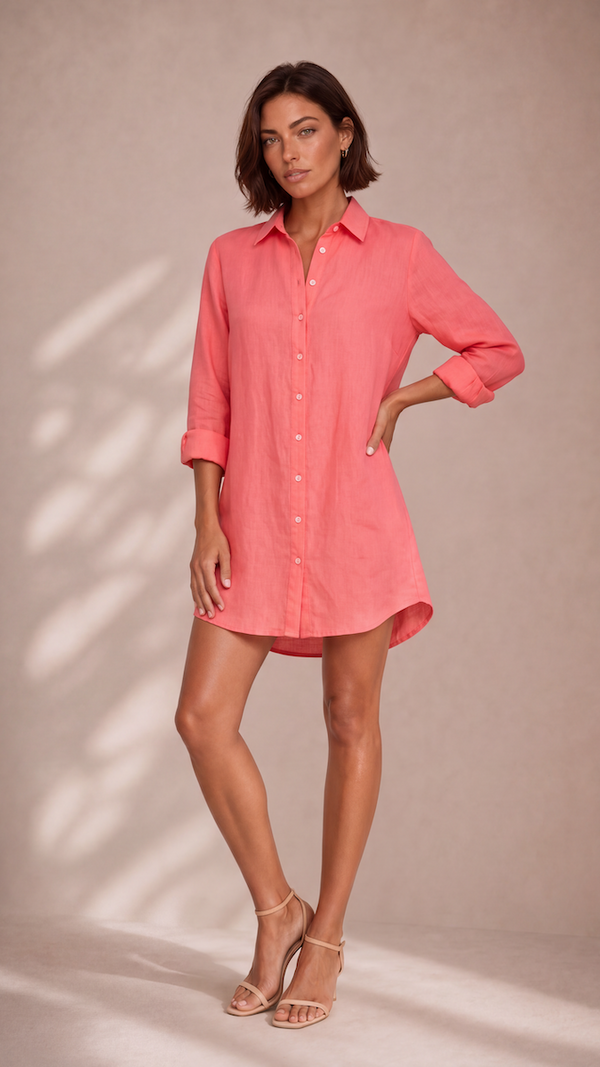
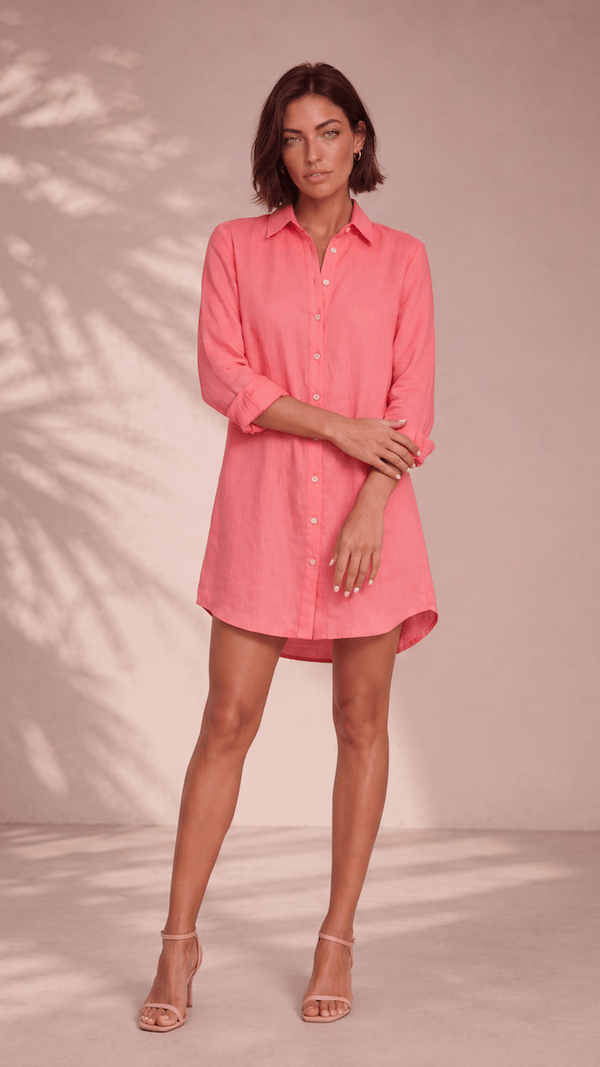
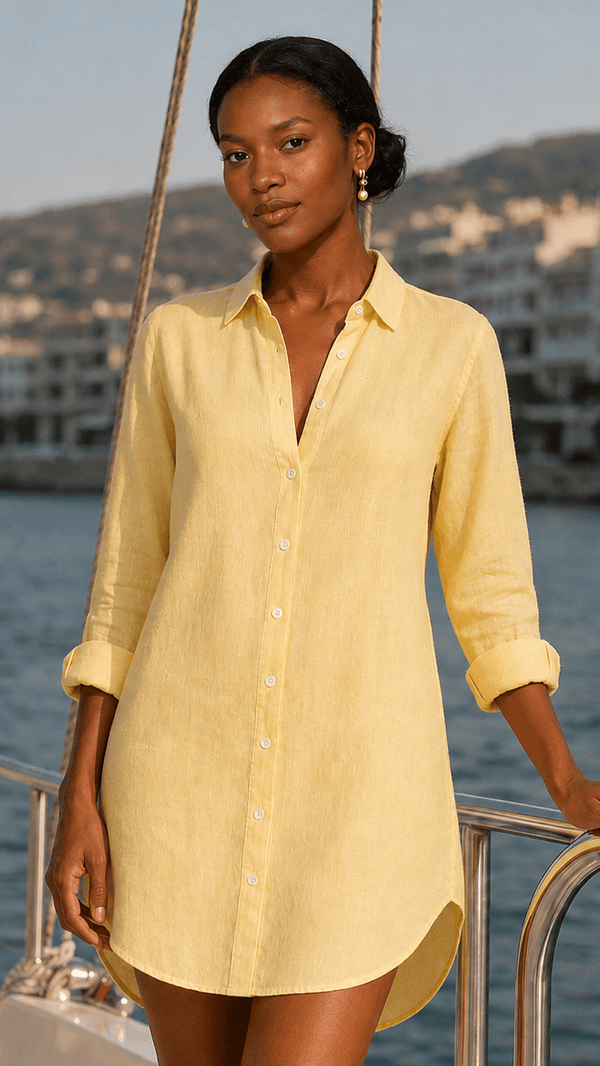
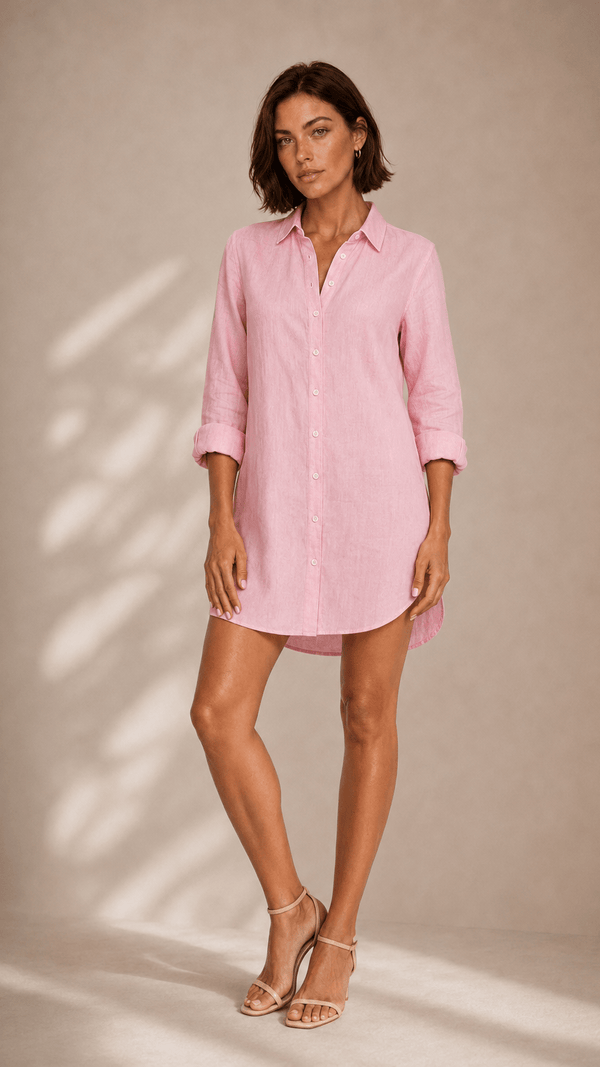
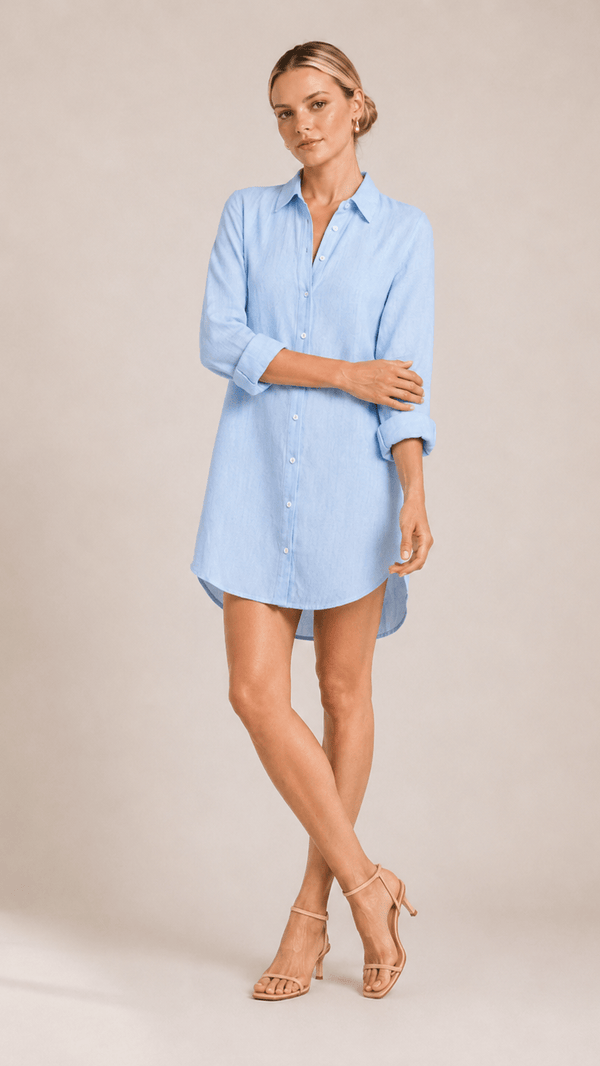
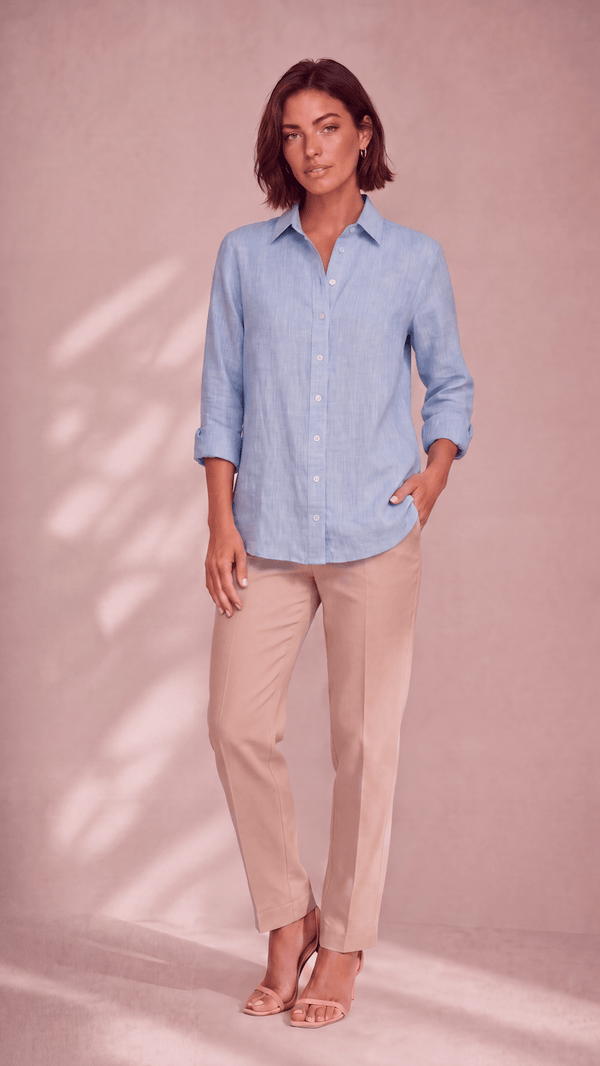
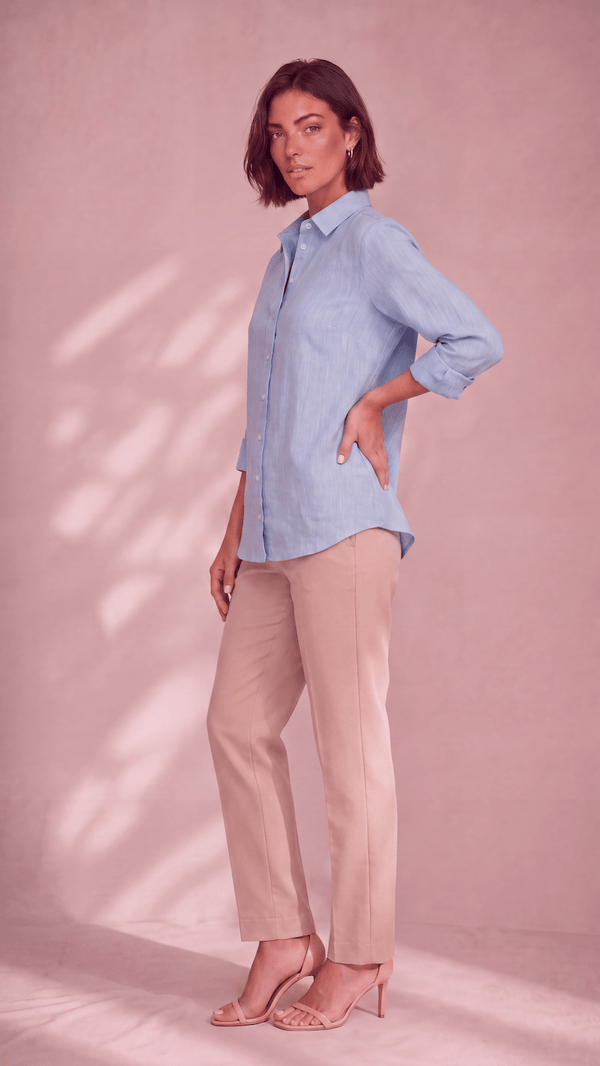
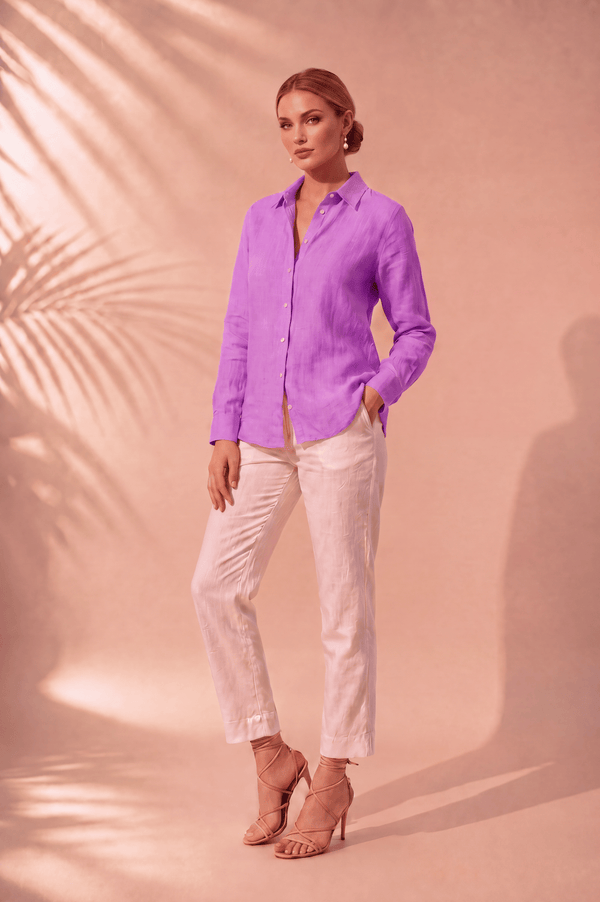
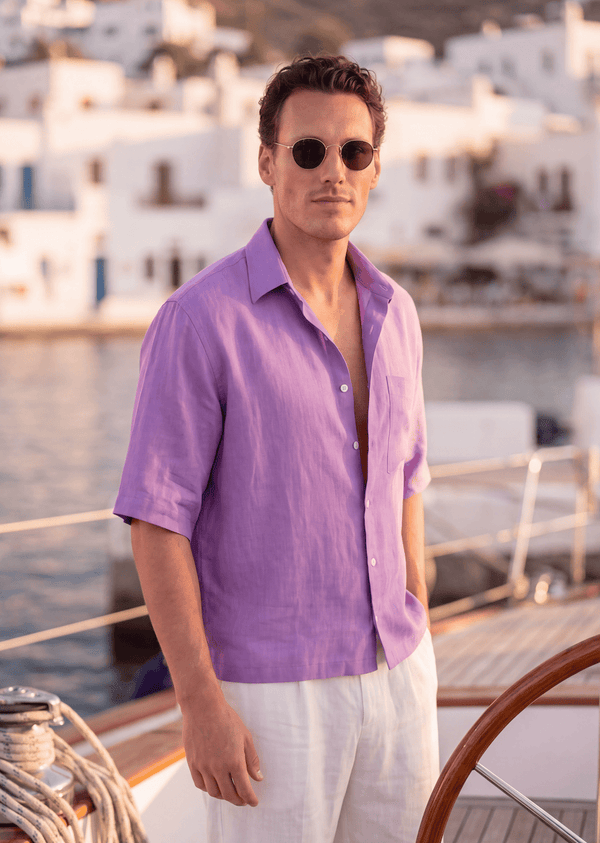
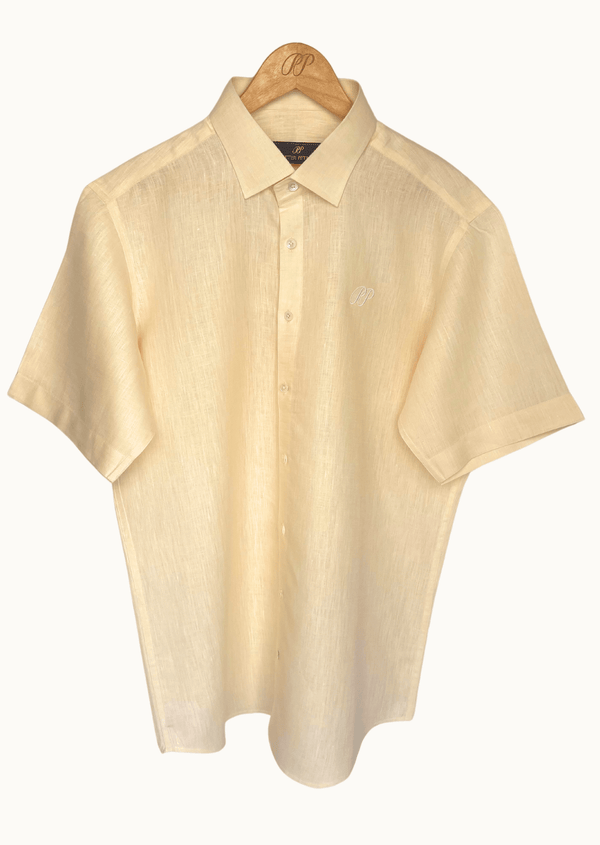
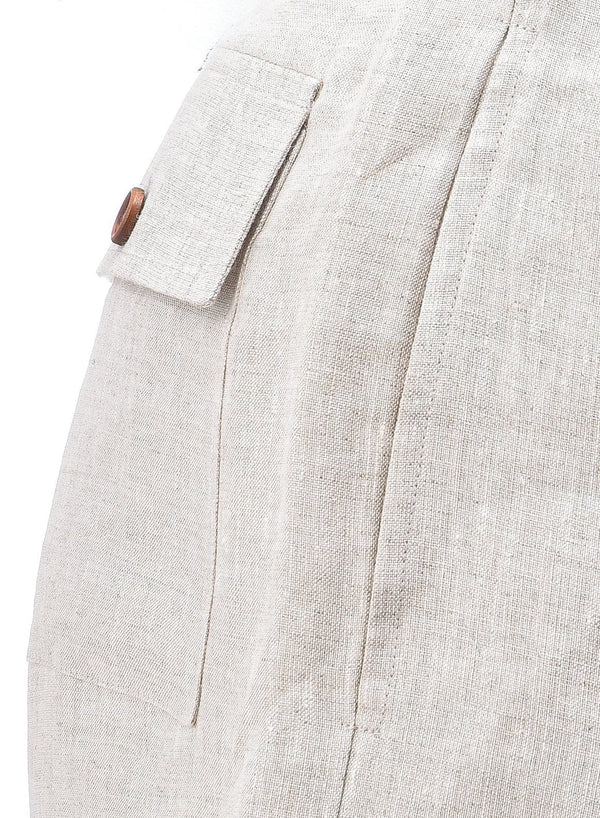
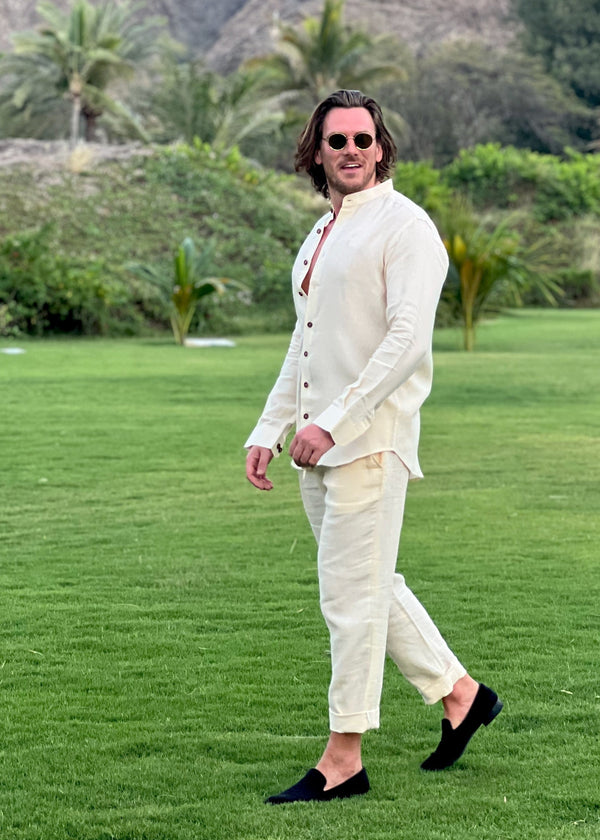
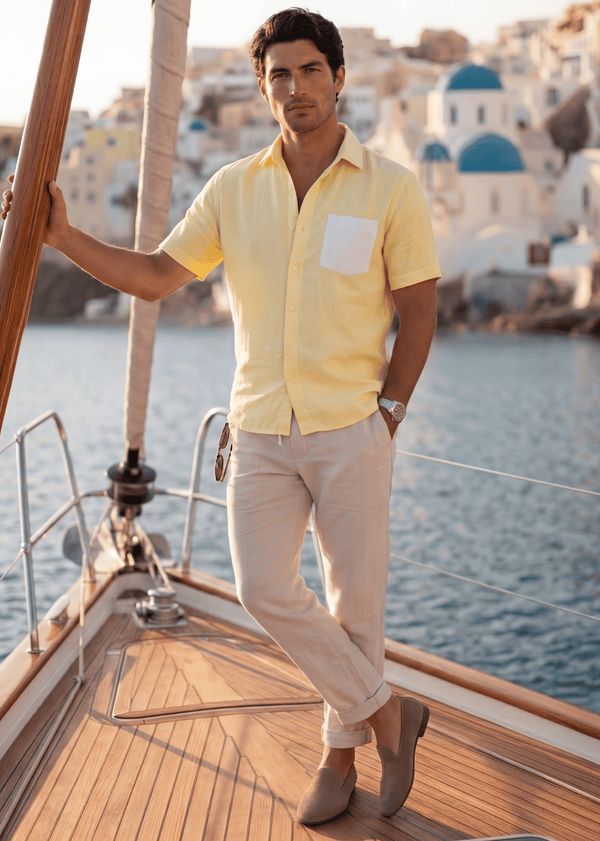
PP's position is not a programme applied to an existing model. It is the model itself: every component of every garment is natural. There is no synthetic lining to offset, no polyester thread to disclose, no petroleum derivative anywhere in the construction. The Belgian Linen® certification mark and the certificate of origin are not marketing; they are the independent verification of a fabric claim that PP is structurally required to support, because the garment itself can be checked.
“The sustainable luxury brand landscape is crowded with claims and thin on evidence. PP's position is architectural rather than claimed.”
— Pieter Petros, founderWhat this means for the buyer evaluating sustainable luxury brands. The question to ask any brand in this category is not "what is your sustainability programme?" but "what are your garments actually made from?" At PP: certified Belgian linen, natural linen, natural wool, natural cotton, natural fabric uppers, leather soles, natural seashell buttons, walnut buttons, corozo nut buttons. No synthetic content. Ask the same question of most luxury brands and follow it all the way to the lining, the thread, and the button back.