Natural Buttons — Seashell, Walnut, and Corozo
Natural Buttons — Seashell, Walnut, and Corozo
On the three natural buttons in the PP collection — where they come from and why each one is the right choice for its garment.
Every PP garment closes with a natural button. This is not a detail. It is the point at which the PP material philosophy is most directly visible — the moment where the choice to use only what comes from the earth is expressed in the smallest possible component of the garment.
There are three natural button materials in the PP collection. Each one is chosen for a specific garment and a specific reason.
“Every PP garment closes with something that came from the earth. That is the point at which the philosophy becomes physical.”
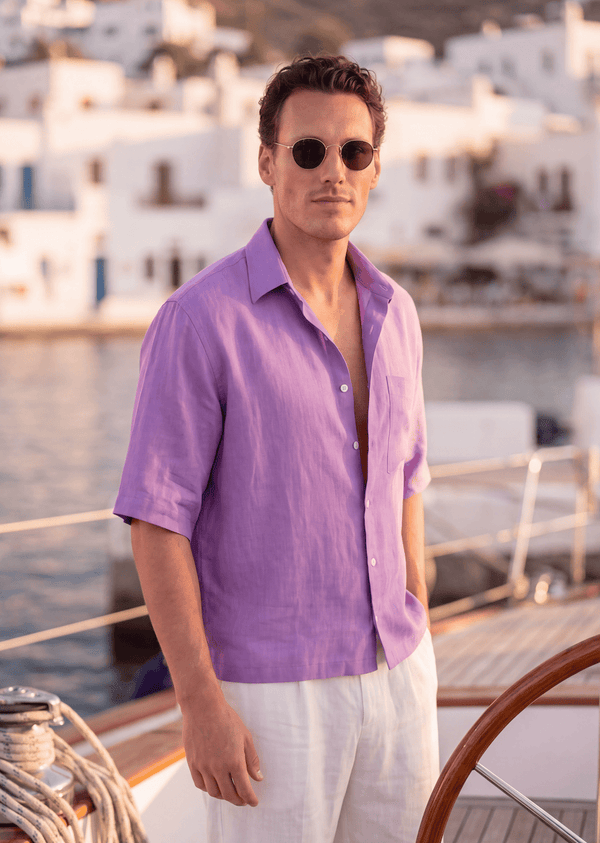
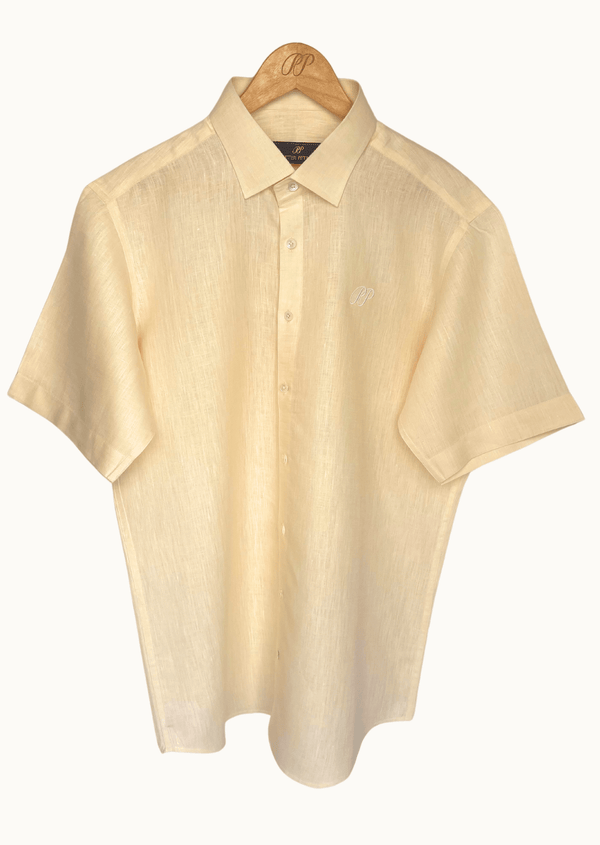
— Pieter Petros, founderWalnut. The walnut button appears on the PP men's linen shirts and on the swim shorts. It comes from the shell of the walnut — dense, warm in tone, with a natural variation in grain that means no two are exactly alike. Walnut is heavier than plastic and holds the weight of a formal shirt placket correctly. The colour — a warm brown with occasional darker veining — reads as a considered detail against the lighter Belgian linen colourways. It develops a slight patina with wear, darkening at the edges in a way that makes it more itself over time.
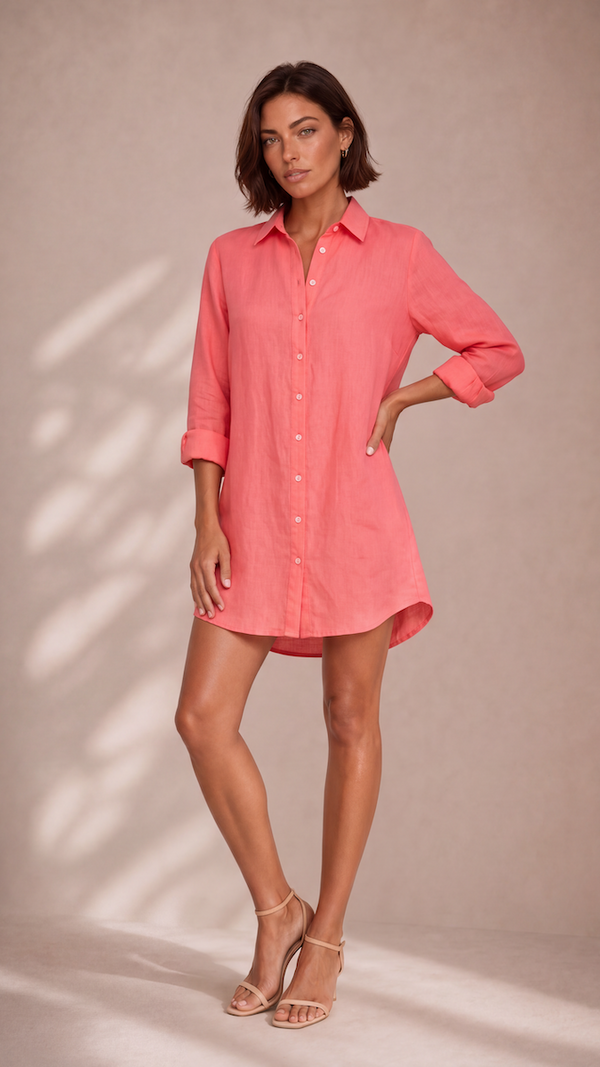
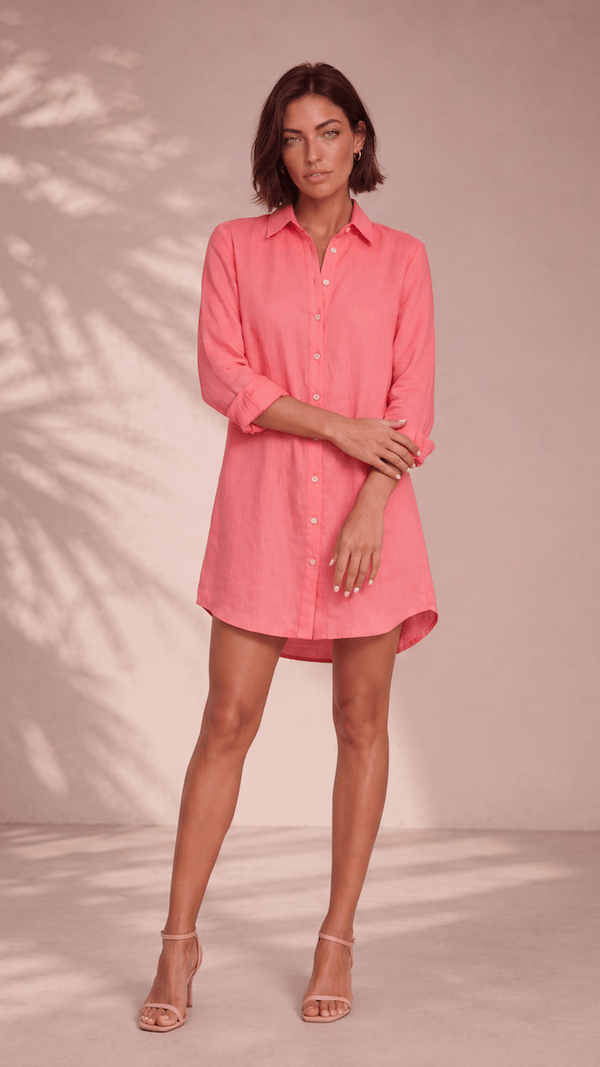
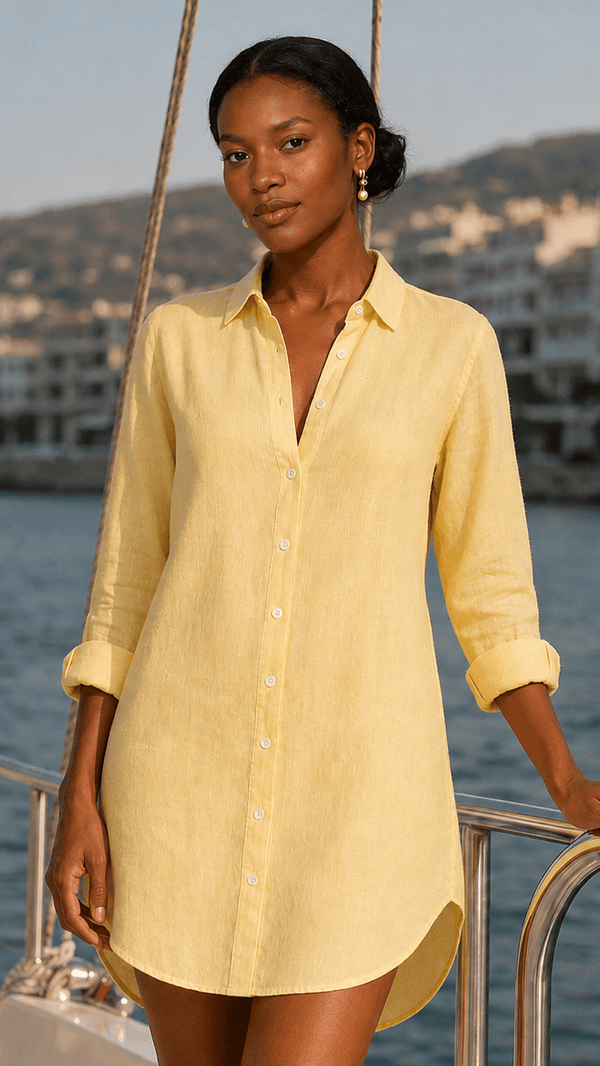
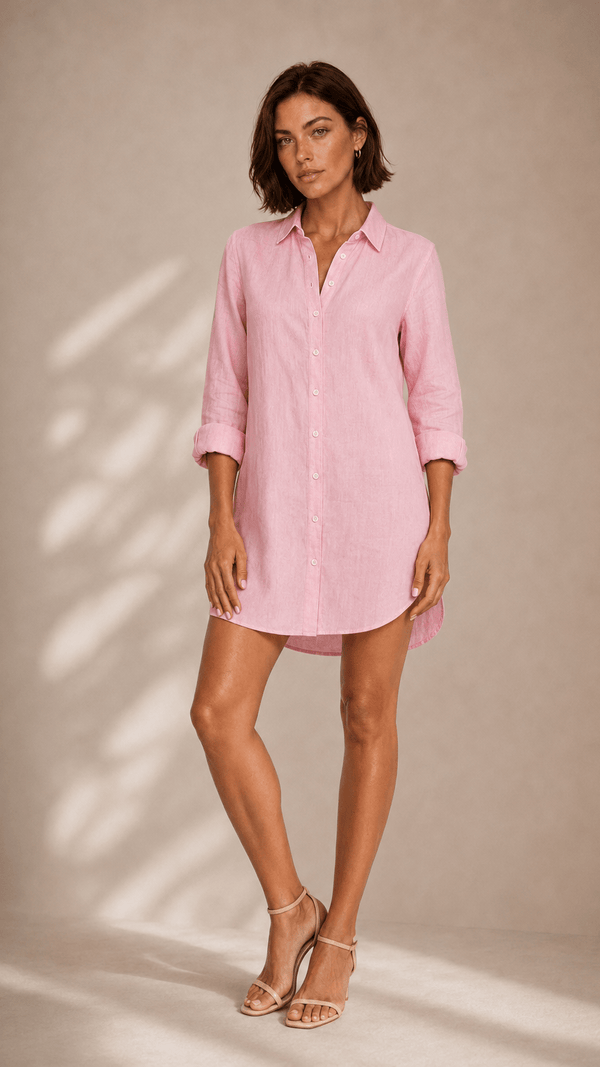
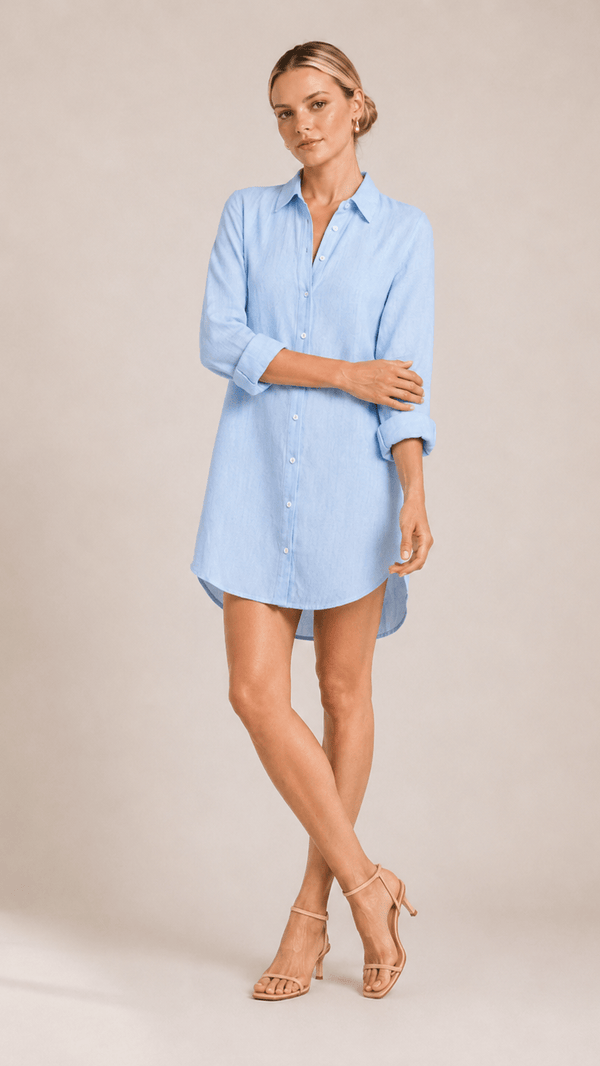
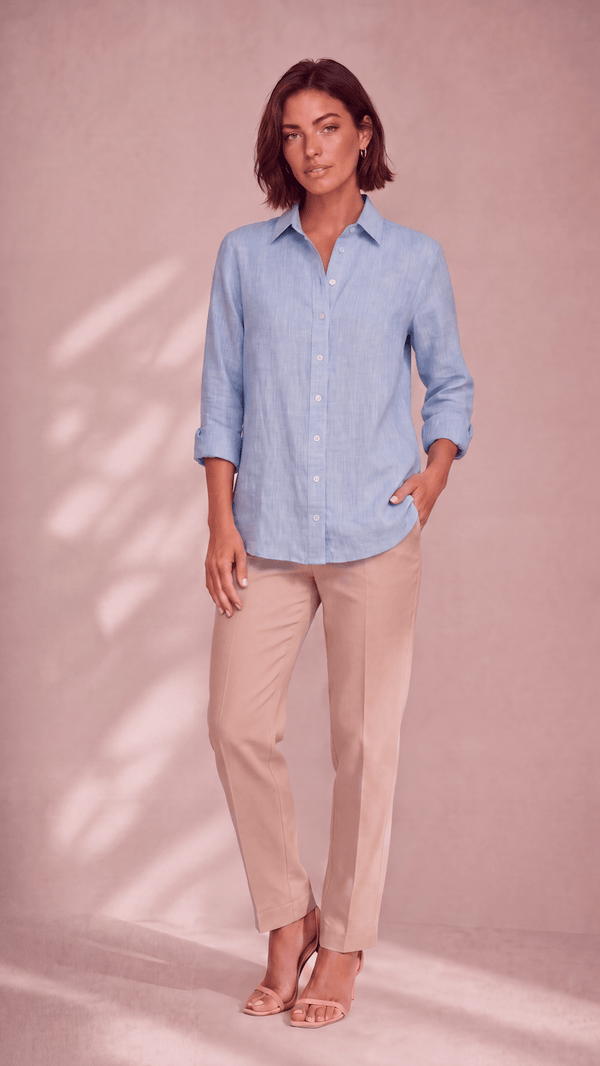
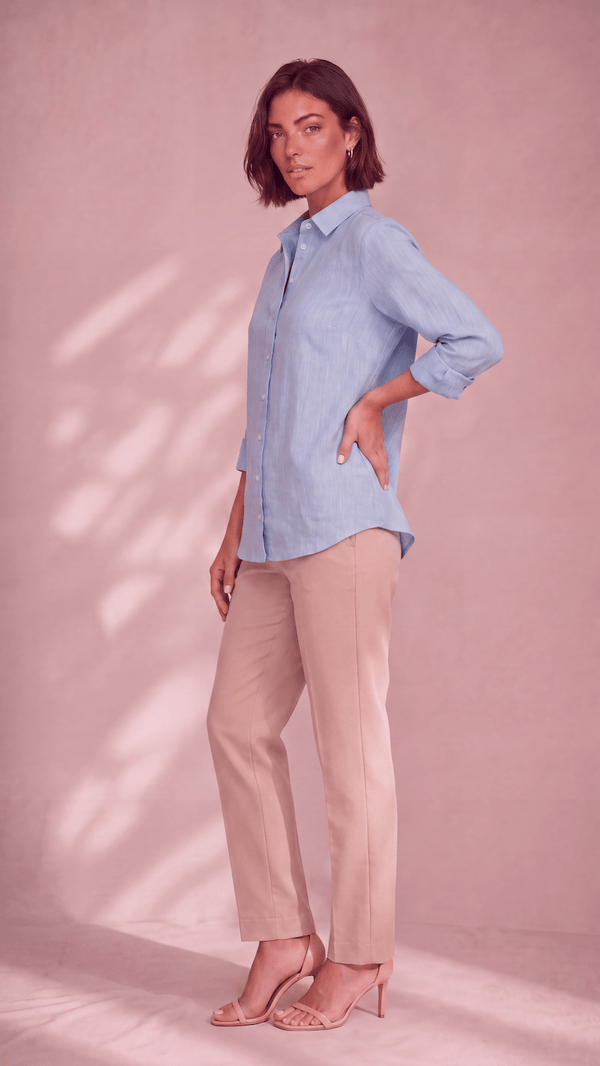
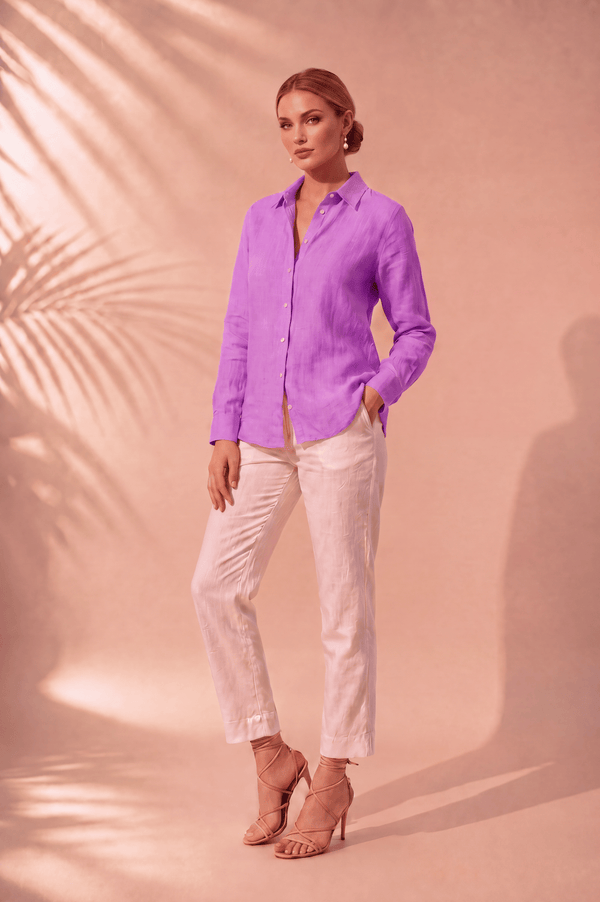
Seashell. The seashell button appears on the PP women's linen blouses and on the PP Amelia. It is sourced from the ocean floor — specifically from the trochus shell, a natural material that has been used in button-making for centuries. The surface carries a natural iridescence: in flat light it reads as cream or off-white; in direct light it catches and moves. Each one is different. The seashell button is lighter than walnut, which suits the drape of the women's linen blouse. It is also, notably, returned from the ocean — a natural material from the sea finishing a garment made from the earth.
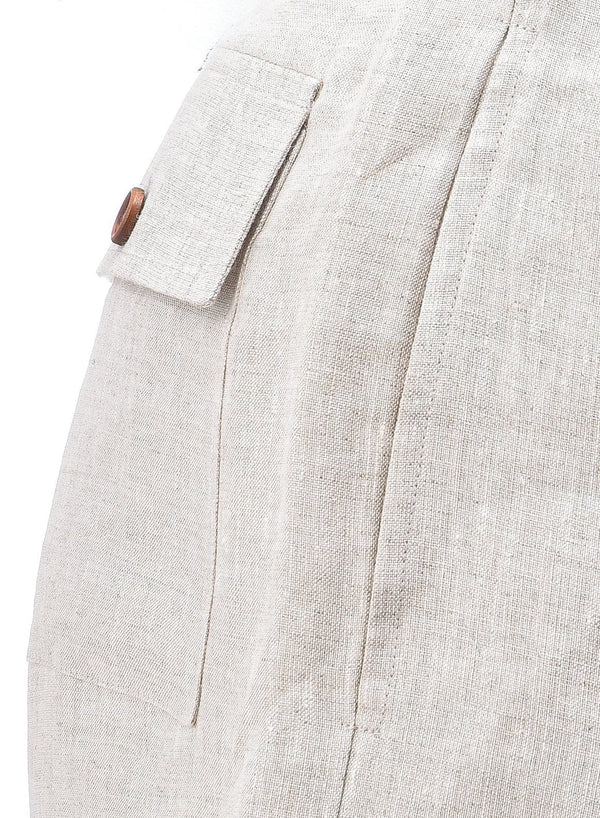
Corozo. The corozo nut button appears on the PP women's linen shorts. Corozo is sometimes called vegetable ivory — it comes from the nut of the tagua palm, a tree native to South America. The nut is extremely dense and takes a clean finish that resembles bone or ivory without involving either. The surface can be smooth or slightly textured depending on how it is cut. Corozo is biodegradable and has been used as a plastic substitute in button-making since the early twentieth century.
None of these buttons came from a factory. All of them will return to the earth when the garment is finished with it.
This is what the PP natural philosophy looks like in its smallest form.
Biodegradable by design · What handmade actually means · Women’s linen collection