How to Care for Belgian Linen
How to Care for Belgian Linen
On washing, wearing, and the particular pleasure of a fabric that improves with every cycle.
Belgian linen is one of the few fabrics that asks very little and returns a great deal. It does not require dry cleaning. It does not need special detergents or delicate cycles. It needs water, a moderate temperature, and time — and in exchange, it softens into something entirely personal.
The care is simple. The result, over time, is not.
The most common mistake with linen is treating it with the caution reserved for fragile fabrics. Belgian linen is not a fragile fabric. The fibre is strong — stronger than cotton — and it responds well to regular washing. What it does not respond well to is excessive heat, which, over time, can affect the structure of the weave. A cool or warm wash, never hot, is the only rule that matters.
"Linen improves with use. The care is part of the relationship between the cloth and the person wearing it."
— Pieter Petros, founderThe wrinkle is worth addressing directly. Belgian linen creases. This is not a flaw — it is a characteristic of the fibre, and it is part of what makes linen look the way it does. A linen shirt with a little natural texture reads as lived-in, not unkempt. Ironing is optional. If you prefer a crisper finish, iron while the cloth is still slightly damp. If you prefer the natural drape, hang it and let it settle.
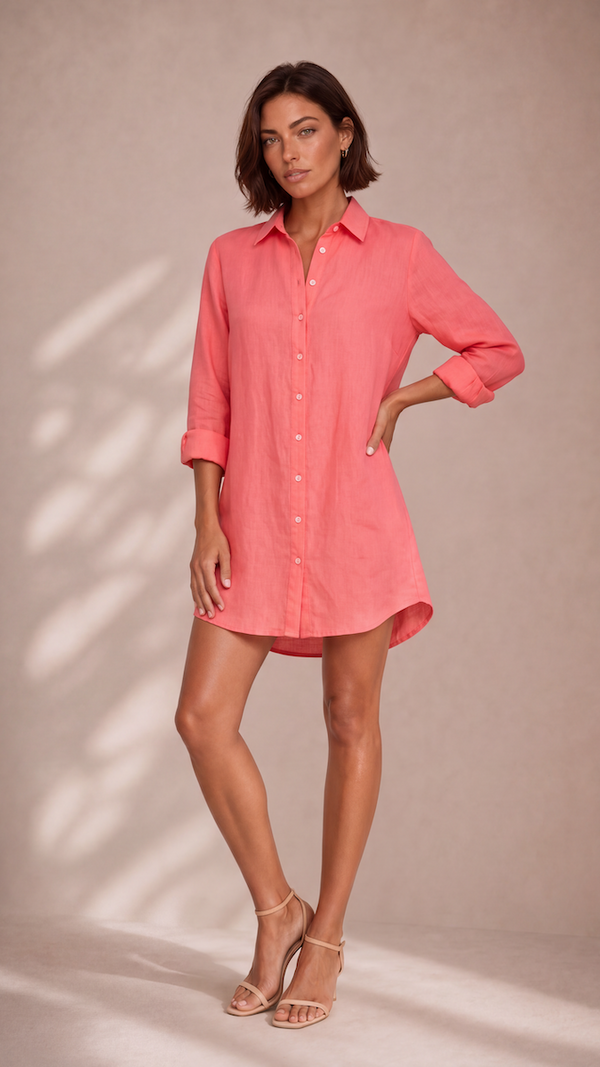
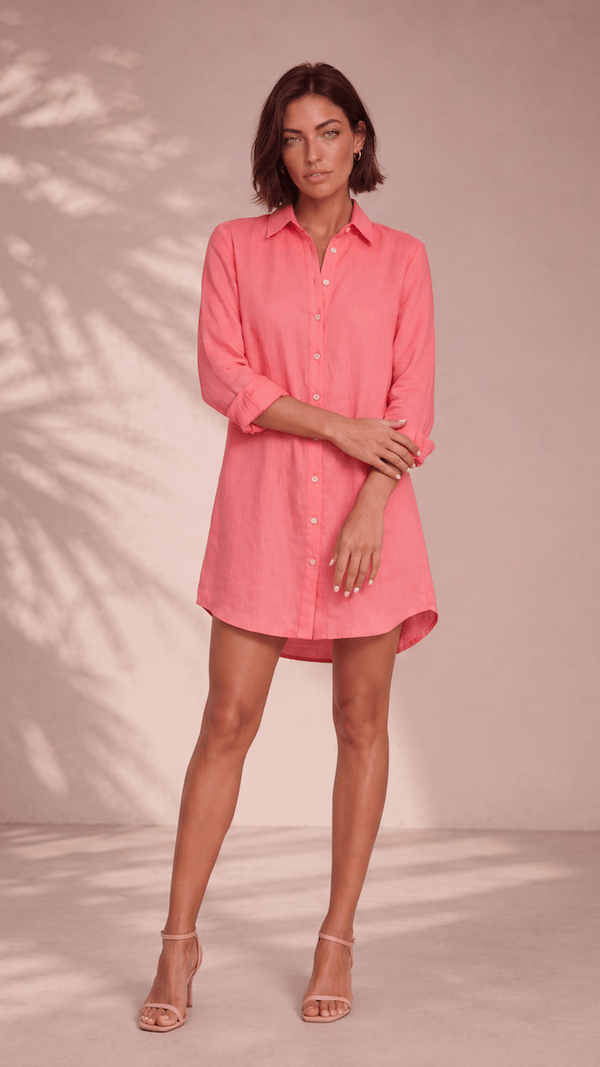
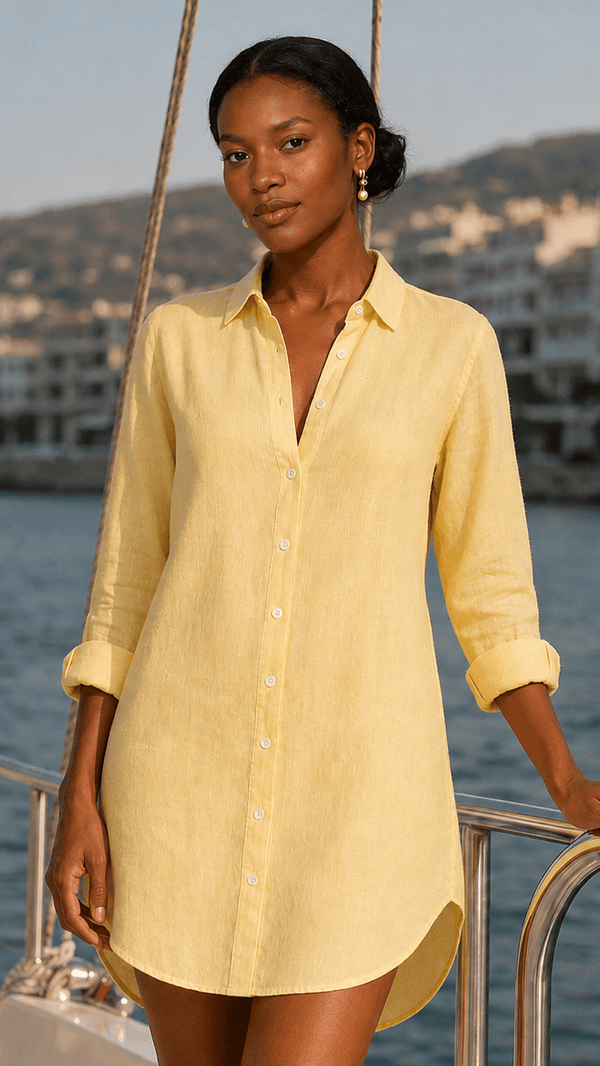
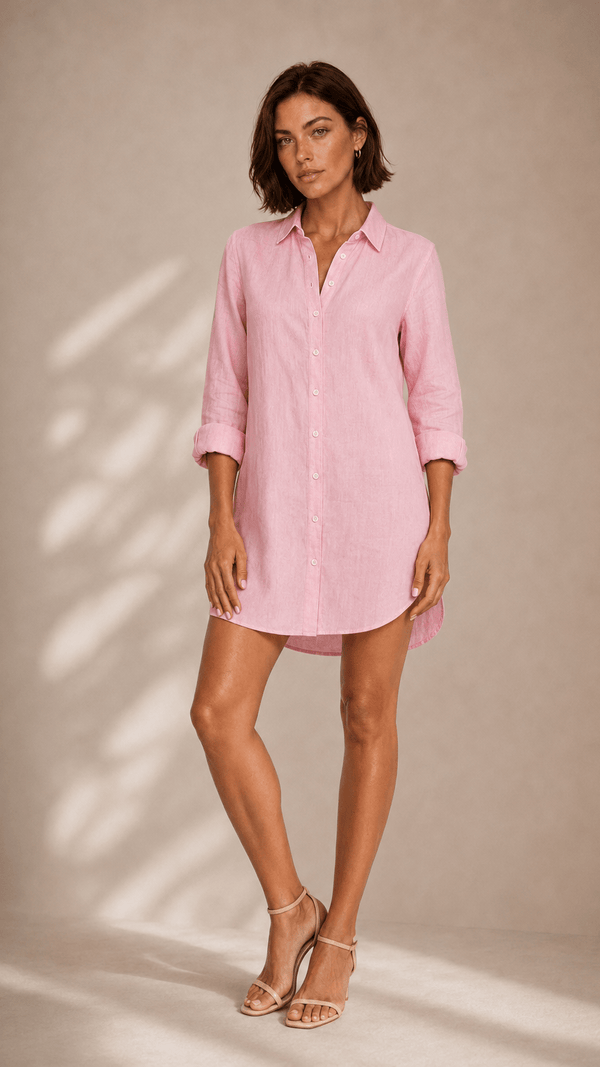
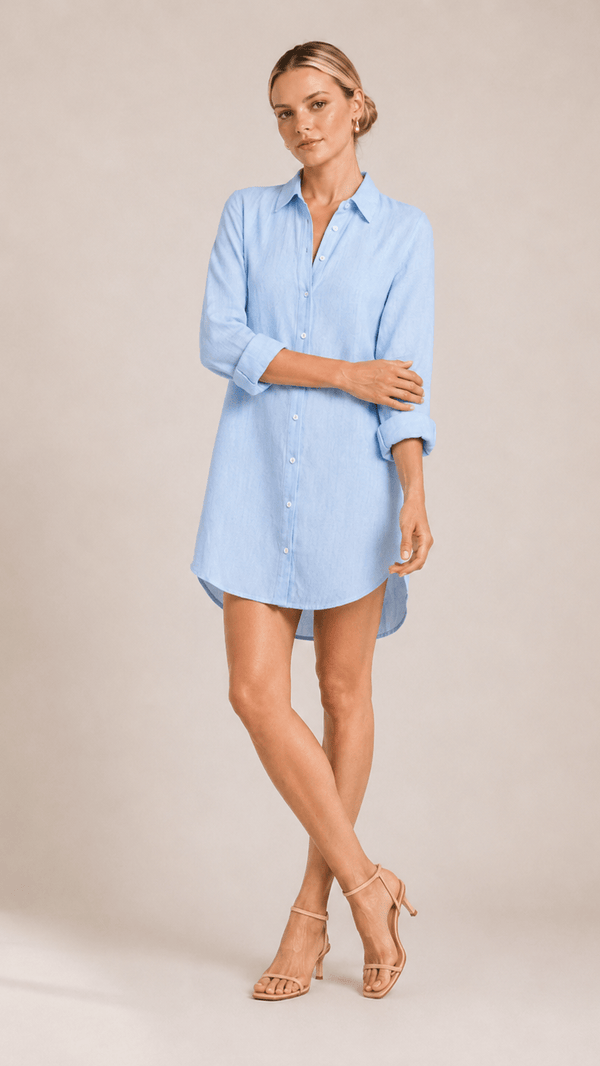
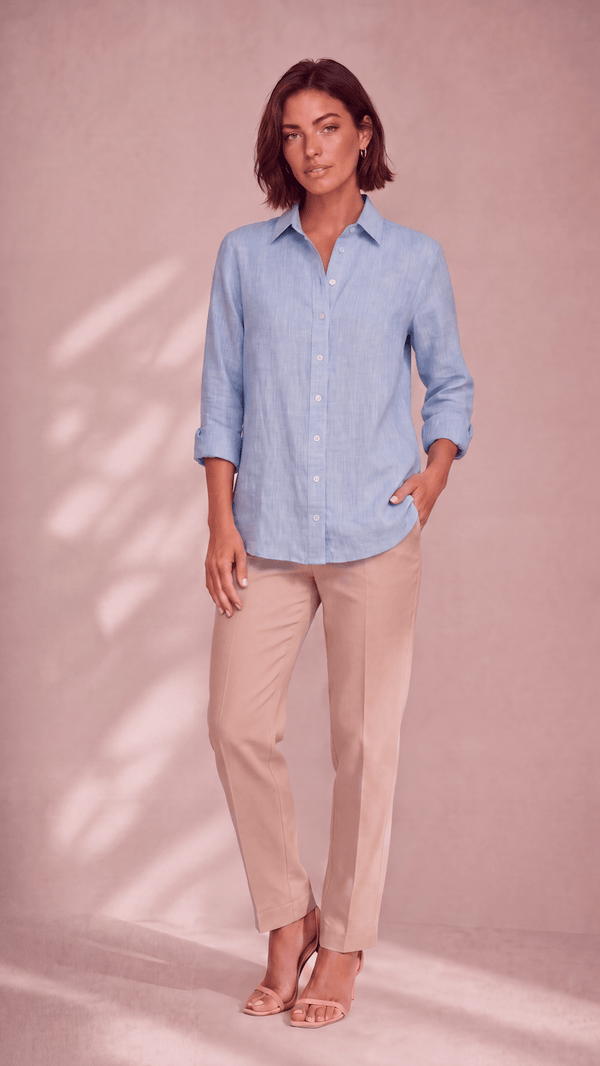
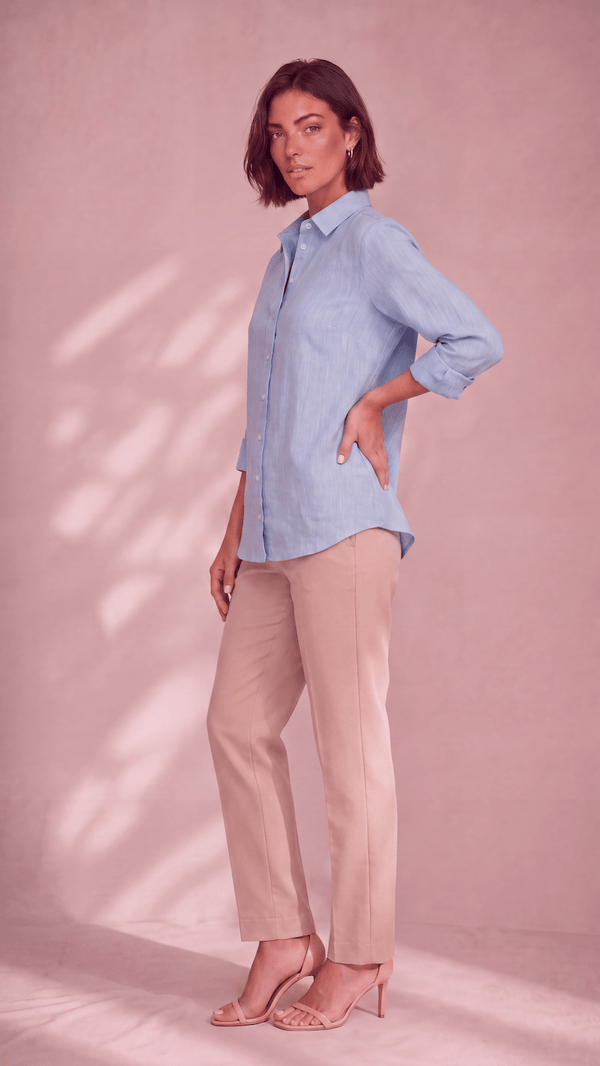
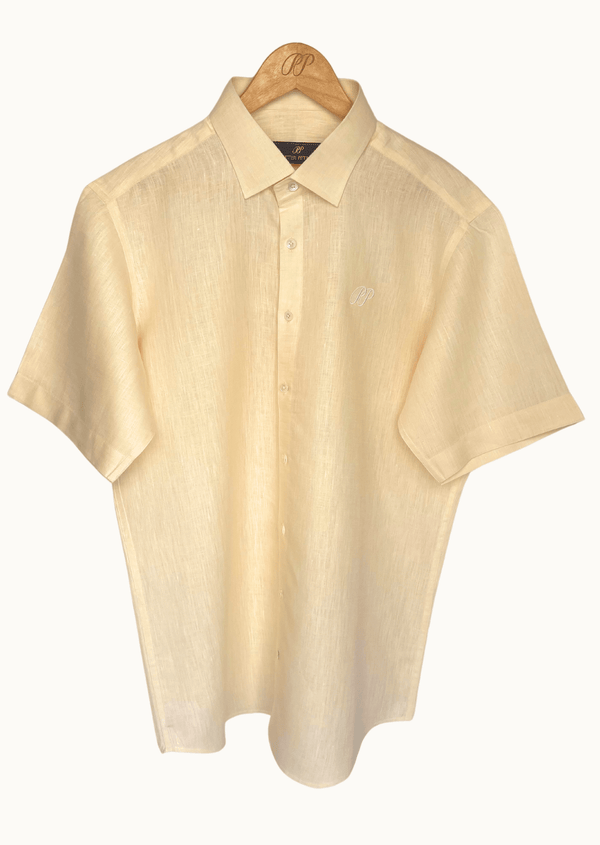
Over time, the PP linen shirt or women's set will soften in a way that is specific to how it has been worn and washed. The fabric takes on the particular quality of use — not diminished, but developed. This is what distinguishes a natural fibre from a synthetic one. The garment changes. It becomes more itself.
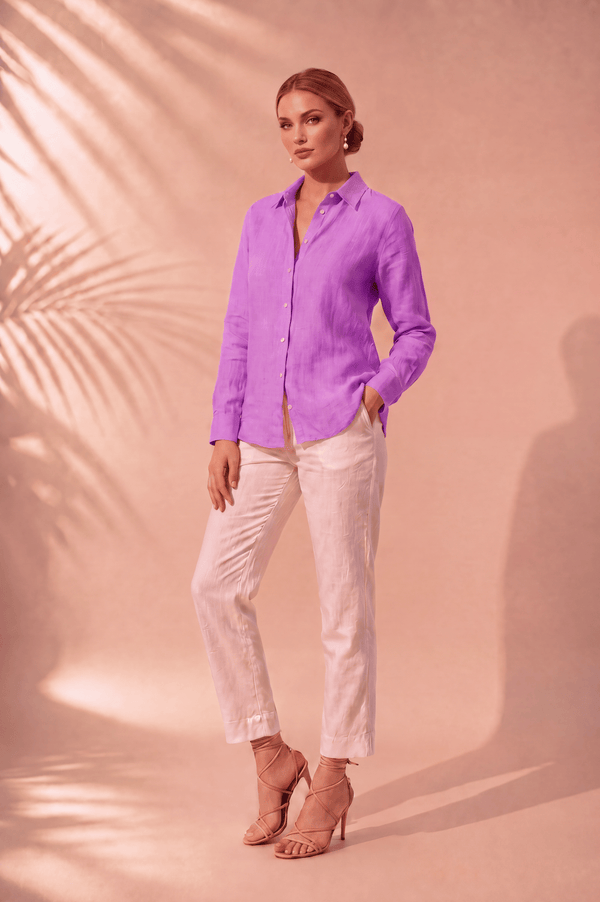
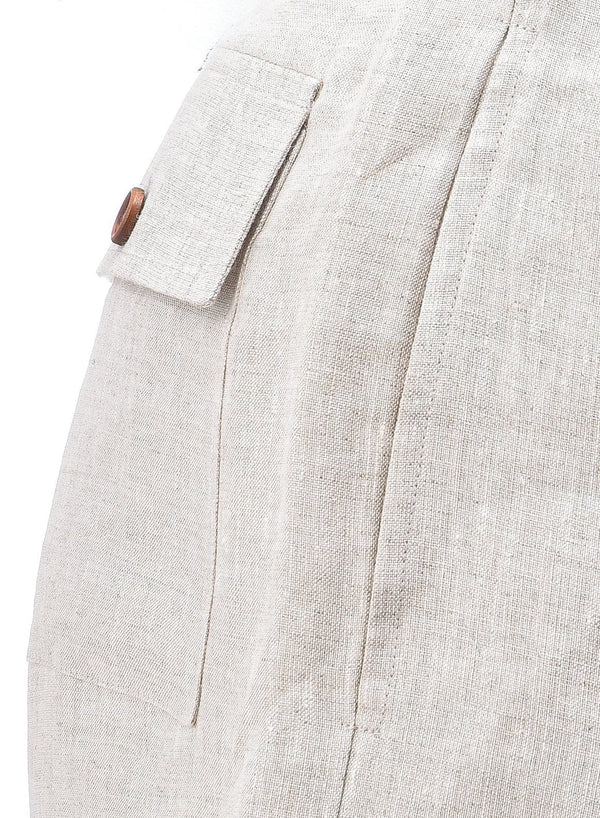
The walnut buttons are natural and can be washed normally. The seashell buttons on the women's blouse are equally durable — they have spent time in the ocean before arriving on the garment, and they are not diminished by water. Neither requires any special treatment beyond what the fabric itself asks for.
Care, with Belgian linen, is not preservation. It is participation.
The more it is worn and washed, the more it becomes what it was always meant to be.