Linen vs Voile — Two Light Cloths, Two Different Summers
Linen vs Voile — Two Light Cloths, Two Different Summers
One is named for a veil, the other for a plant. What separates them is more than weight.
Linen and voile are often found side by side on a summer rail, and both promise lightness in heat. They are, however, different kinds of thing. Linen is a fibre: the cloth woven from flax. Voile is a construction: a fine, light, semi-sheer plain weave that can be made from several fibres, most often cotton. Comparing linen vs voile is therefore comparing a material with a way of weaving, and the differences follow from that.
The word voile is French for veil, and the name is accurate. The cloth is woven from fine yarns spun with a high twist, which gives them a crisp, slightly wiry quality, and it is woven in a simple over-under plain weave with relatively open spacing. The result is a fabric that is light, airy and visibly translucent, used for curtains, summer blouses, light dresses and kurtas. When it is woven from linen yarn, it is called linen voile; most voile on the market is cotton.
“Lightness is not the same as delicacy. A summer cloth should feel like air and still last for years.”
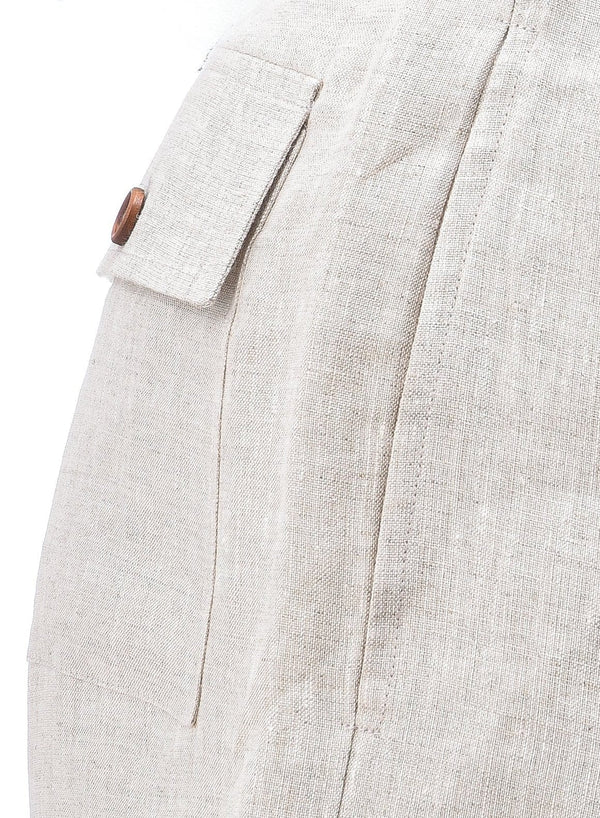
— Pieter Petros, founderLinen, by contrast, is defined by its fibre. Flax fibres are long, strong and slightly irregular, and they give linen cloth its characteristic hand: dry, cool, with visible slubs in the yarn and a natural lustre. Shirt-weight linen is usually woven a little more densely than voile and is heavier per metre, which gives it more body and drape. Those linen slubs are part of the cloth's character.
Opacity. Voile is chosen for its sheerness; a voile shirt or blouse usually needs a layer beneath it. Linen at shirt weight is far more opaque, though pale colours in light weaves can show some light through, as discussed in the piece on whether linen is see-through.
Air and heat. Both are cool to wear. Voile's openness lets air through freely. Linen adds something cotton voile cannot: flax takes up moisture readily and gives it back to the air, so the cloth feels drier against the skin in humid heat, and the fibre itself is cool to the touch.
Structure. Voile is soft and floaty; it moves with every breeze and holds little shape of its own. Linen has more body. A linen shirt holds its collar through the day, then softens over months of wear and washing into something supple. That combination, structured at first and relaxed later, is part of why a linen garment improves with age.
Creasing. Linen creases, and the creases are part of its character. Cotton voile creases less visibly because it is so light, though it can look limp after a long day. Neither should be bought in the expectation that it will look pressed at midnight.
Durability. Flax fibres are among the strongest natural fibres, and well-made linen garments last for many years. Voile, because its yarns are so fine and its weave so open, is more delicate by nature and tends to show wear sooner.
The choice, then, depends on what the garment is for. Voile belongs to the veil-like layer: a sheer blouse, a summer curtain, a light kurta over a slip. Linen belongs to the garment that is worn on its own, all day, and expected to last: the shirt, the trousers, the dress. Linen vs gauze and linen vs muslin set flax against two more light cottons.
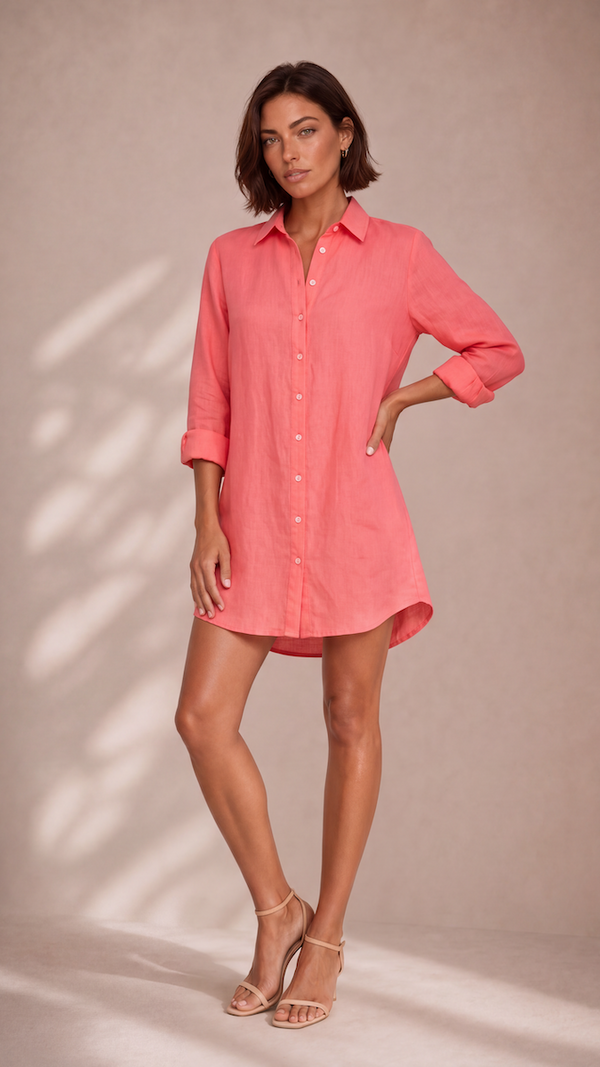
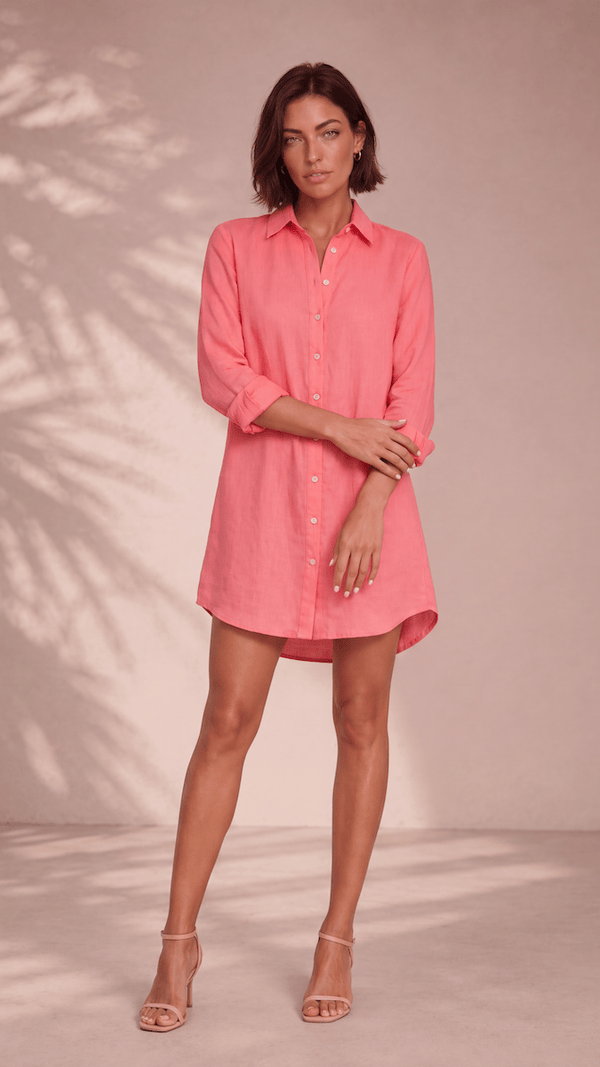
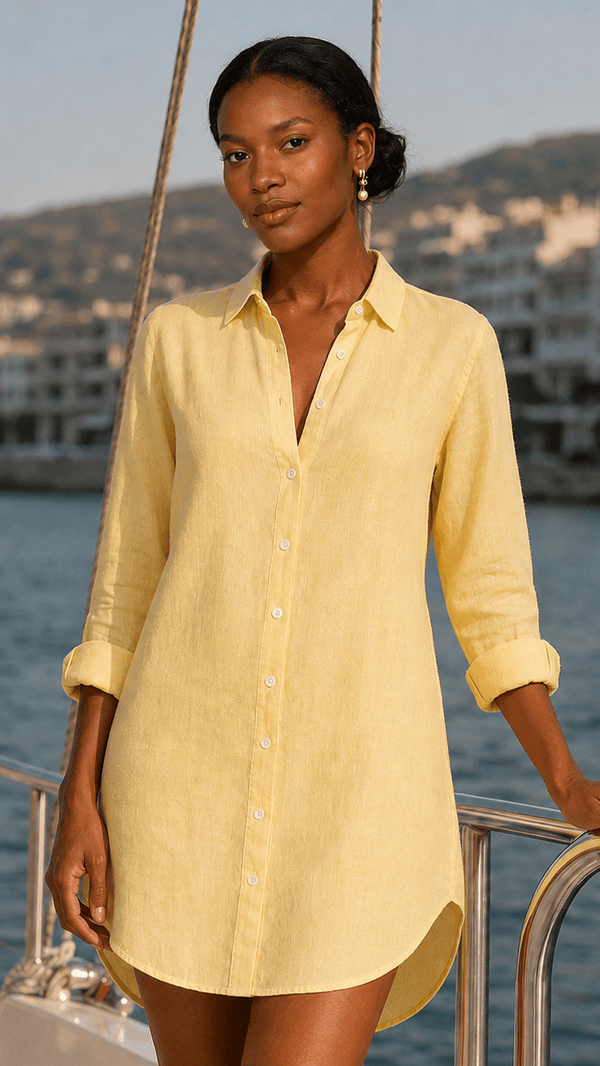
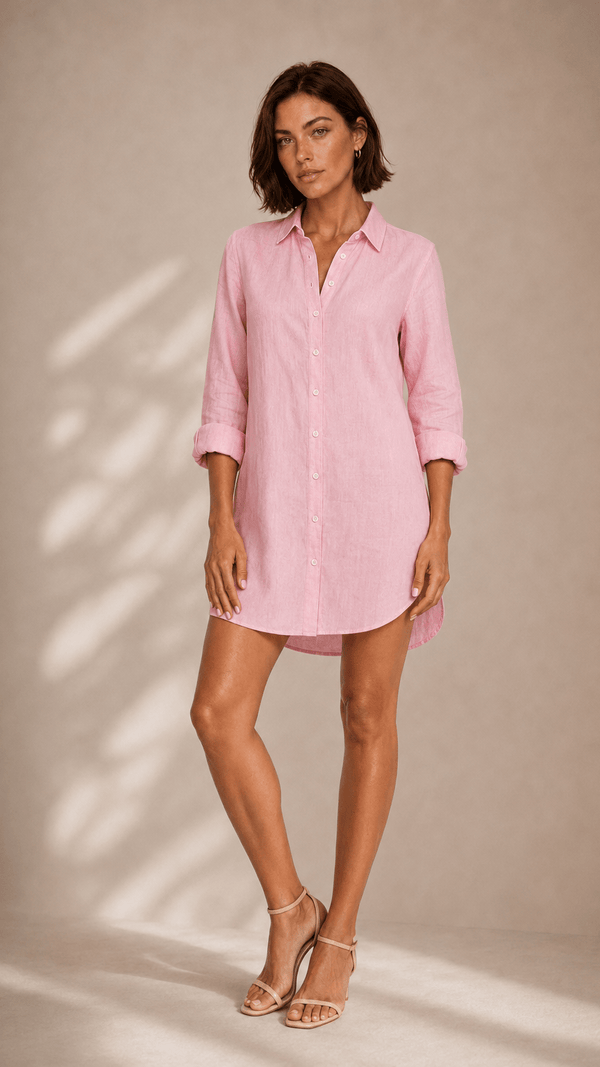
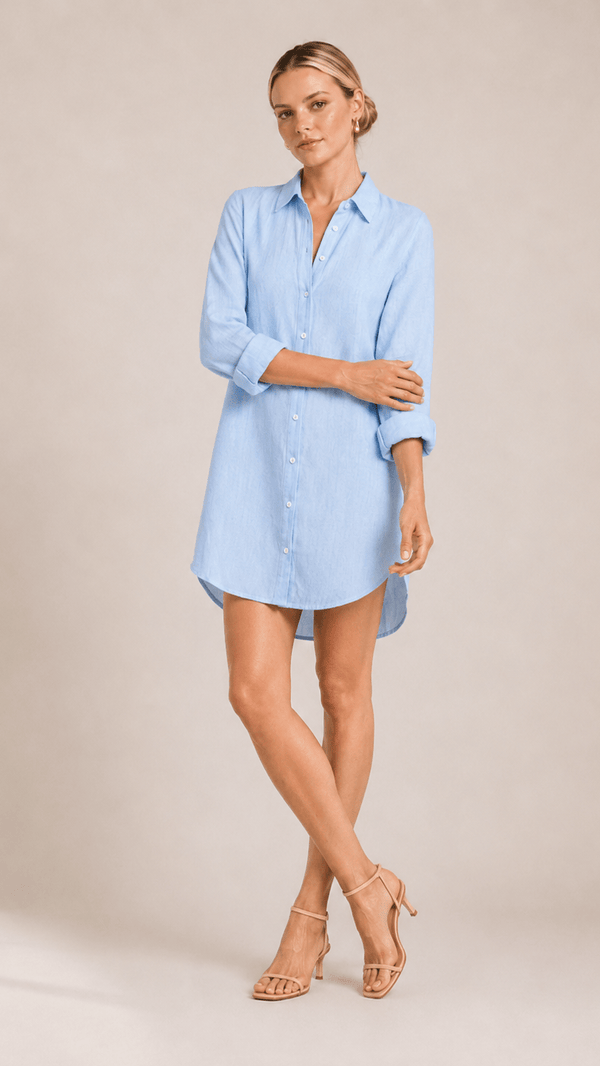
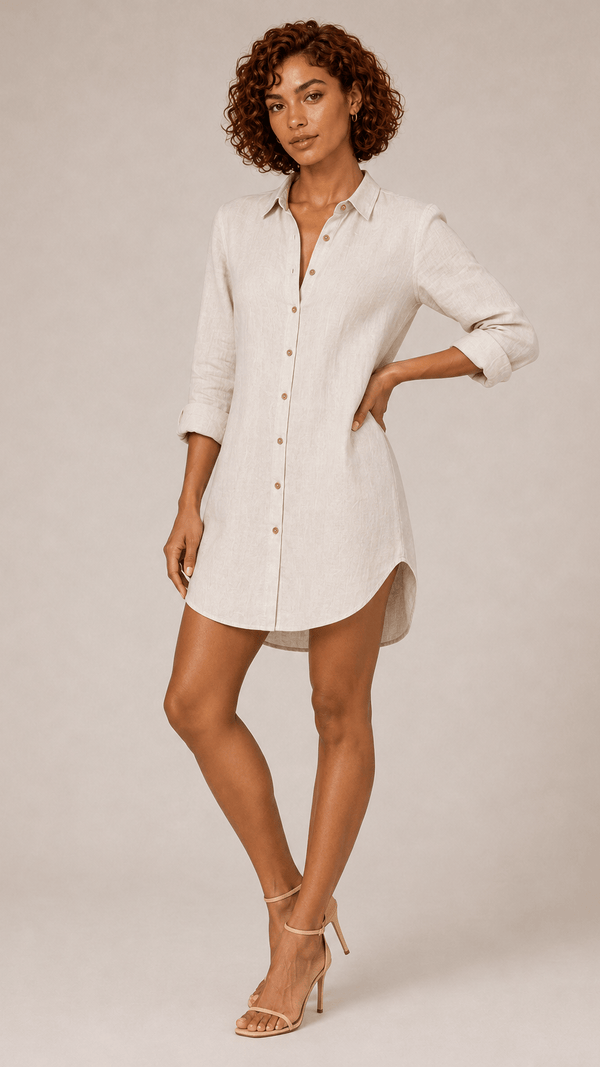
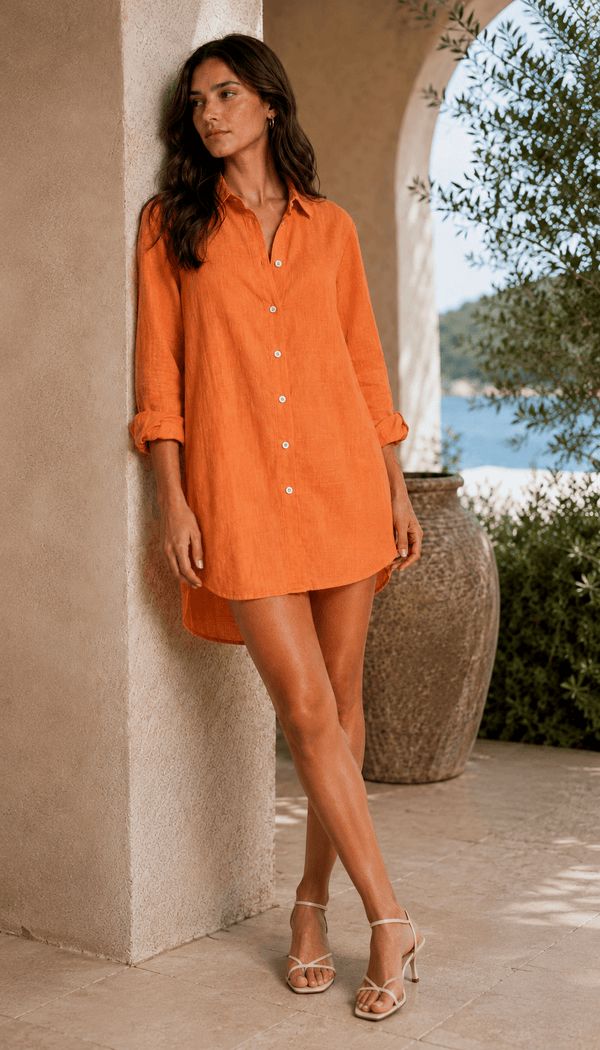
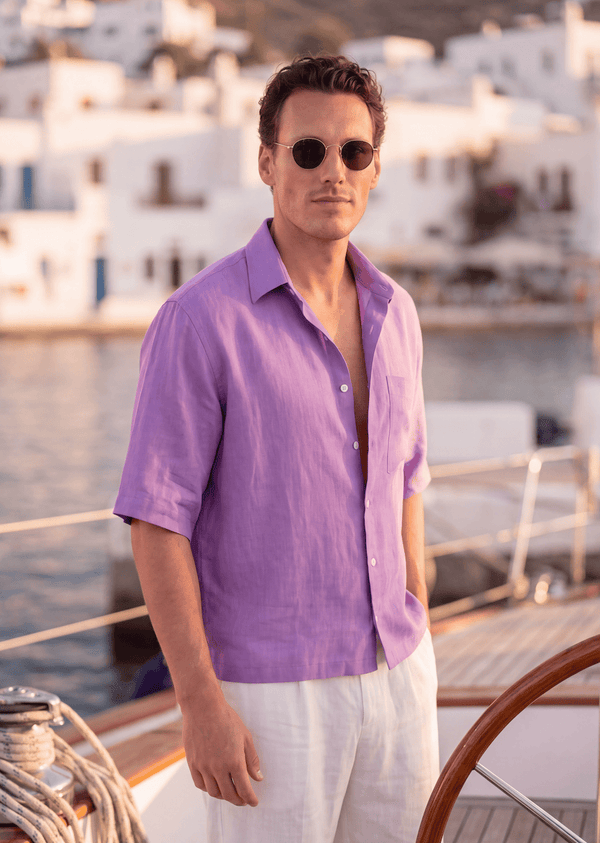
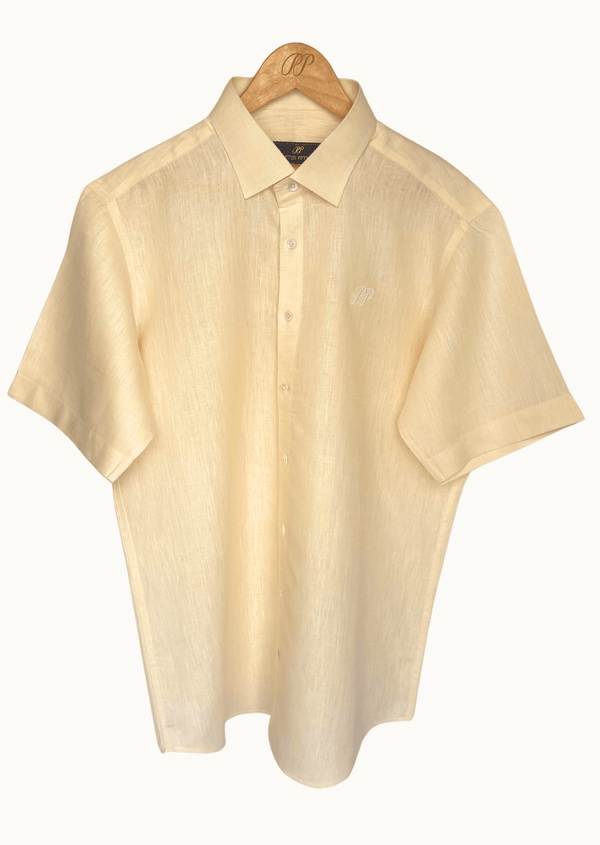
The PP collection is built on linen for that reason. The men's shirts, the PP linen blouse and the Amelia linen dress shirt are garments meant to be worn on their own, without a second layer, in real heat.
Read more: Linen Weave Types · Natural Fabric Types