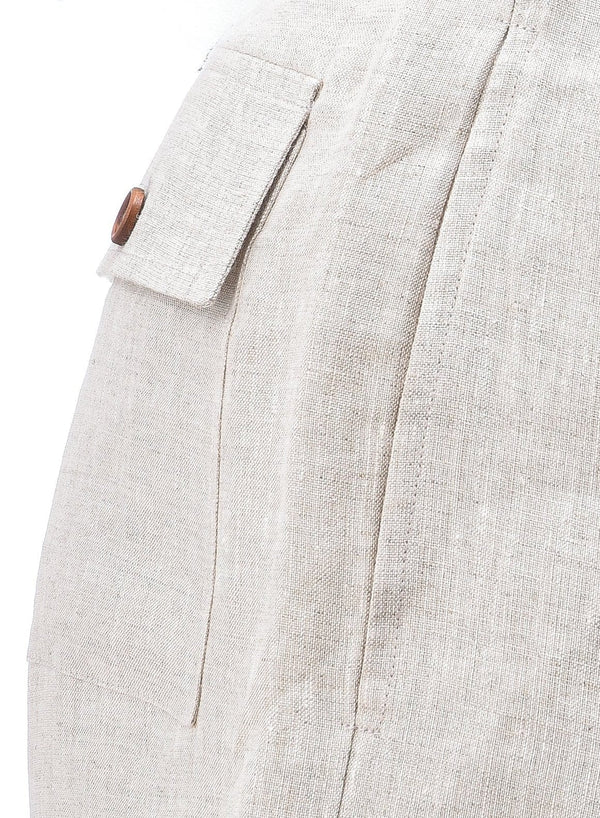
Linen vs Gauze: Two Summer Cloths Compared
Linen vs Gauze: Two Summer Cloths Compared
Softness and crinkle against structure and staying power.
The comparison of linen vs gauze is less straightforward than it looks, because the two words describe different things. Linen is a fibre, spun from flax. Gauze is a construction: a thin, open weave in which the threads are set far apart, so that light and air pass through the cloth. Gauze can in principle be woven from any fibre, and there are linen gauzes, but the gauze sold for summer clothing today is almost always cotton. What a buyer is really choosing between is a closely woven linen cloth and an open-woven cotton one.
The word gauze is thought to come from Gaza, long associated with fine open cloth, and the weave has a long history in hot countries and in medicine, where its openness made it useful for dressings. In clothing, the most common form today is double gauze: two layers of fine gauze tacked together at intervals by threads woven between them. The result is soft, lofty and much less sheer than a single layer, with a gently crinkled surface that comes from the way the two layers move against each other when washed.
“Each cloth has its own honesty. The question is only which one the day needs.”
— Pieter Petros, founderGauze deserves credit for what it does well. It is very soft from the first wear, with none of the initial crispness of new linen. Its open structure lets air through freely. And because its surface is already crinkled, it hides creases almost entirely: a gauze shirt pulled out of a bag looks much as it did when it went in. For sleepwear, for a cover-up on the way to the beach, or for a child's summer clothes, these are real advantages.
Linen answers the heat differently. A linen cloth is more closely woven than gauze, yet it stays cool because of the fibre itself: flax takes up moisture readily and lets it evaporate quickly, so a linen shirt feels dry against the skin in conditions where a denser cotton would cling. The fibre is also stiffer, which means a linen shirt stands slightly away from the body and air moves in the gap, one reason linen sits high among the most breathable fabrics for hot weather.
Structure is where the two cloths part most clearly. Gauze is soft and unstructured: it drapes, gathers and billows, and it cannot hold a sharp collar, a firm placket or a crisp cuff. Linen can. A linen collar stands, a placket lies flat when the shirt is put on, and the shape reads as tailored rather than relaxed, even once the day's creases have set in. That is why linen can go to a dinner, an office or a wedding, where gauze generally stays at the beach and the house. The comparison with muslin, another open cotton weave, follows the same line.
Durability favours linen. Flax fibres are long and strong, and a well-made linen garment softens over years of washing while keeping its integrity. Gauze, being loosely woven from fine yarn, is more prone to snagging and to seams pulling apart under strain, and a single layer can thin with use. Opacity is a related question: single gauze is often sheer, double gauze less so, and linen's opacity depends on its weight and colour.
Creasing is the one point where gauze clearly wins, and it should be said plainly. Linen creases, and gauze, already crinkled, does not appear to. Those who value a garment that looks unchanged after a day of travel may prefer gauze for that reason. Those who like the soft, lived-in creases of linen, and the way the cloth softens around them, will not see them as a fault.
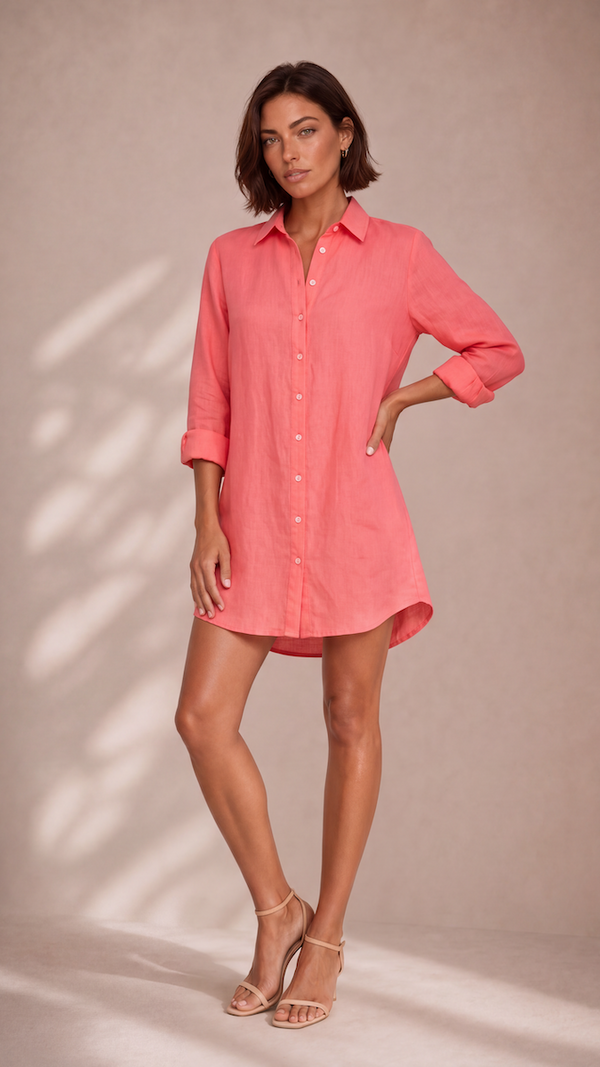
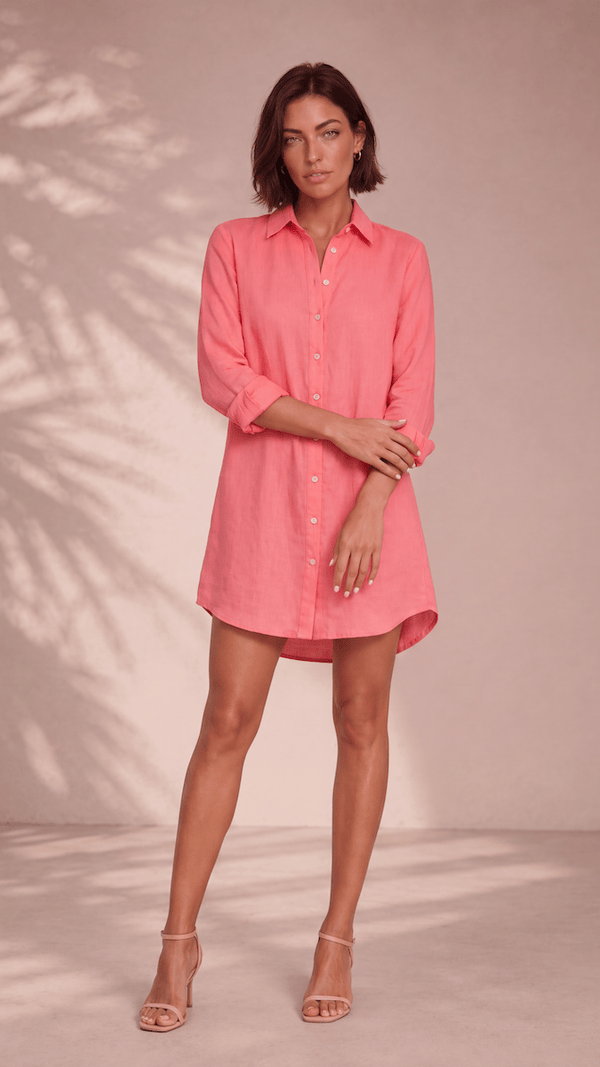
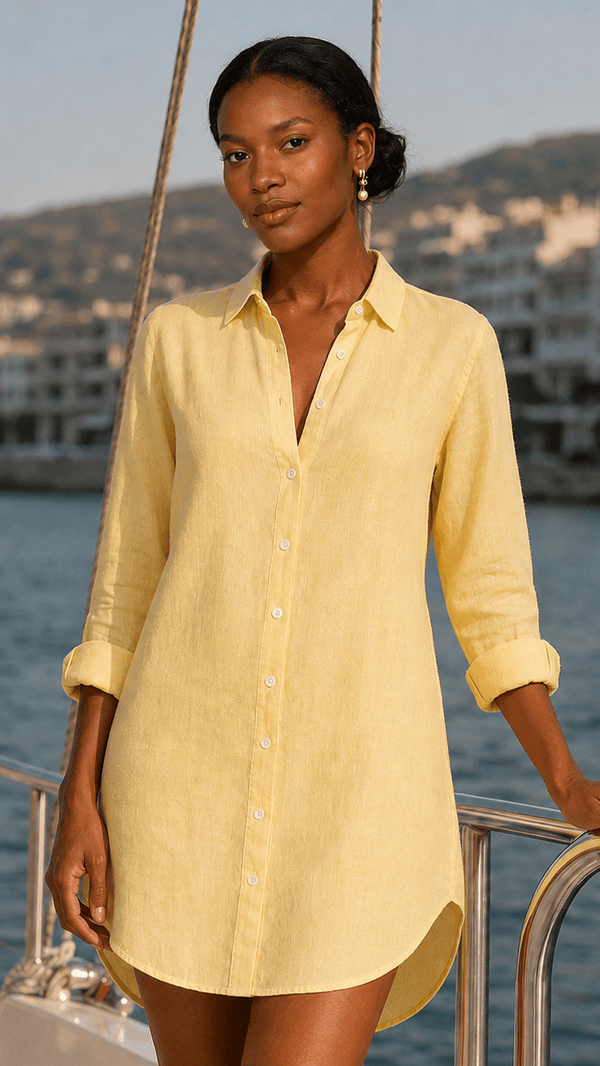
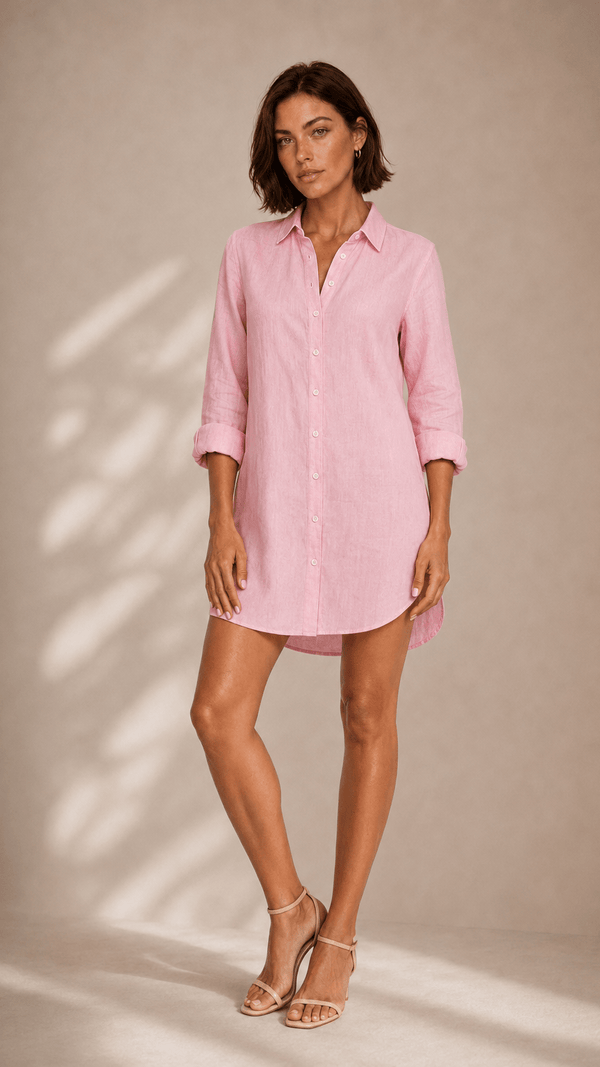
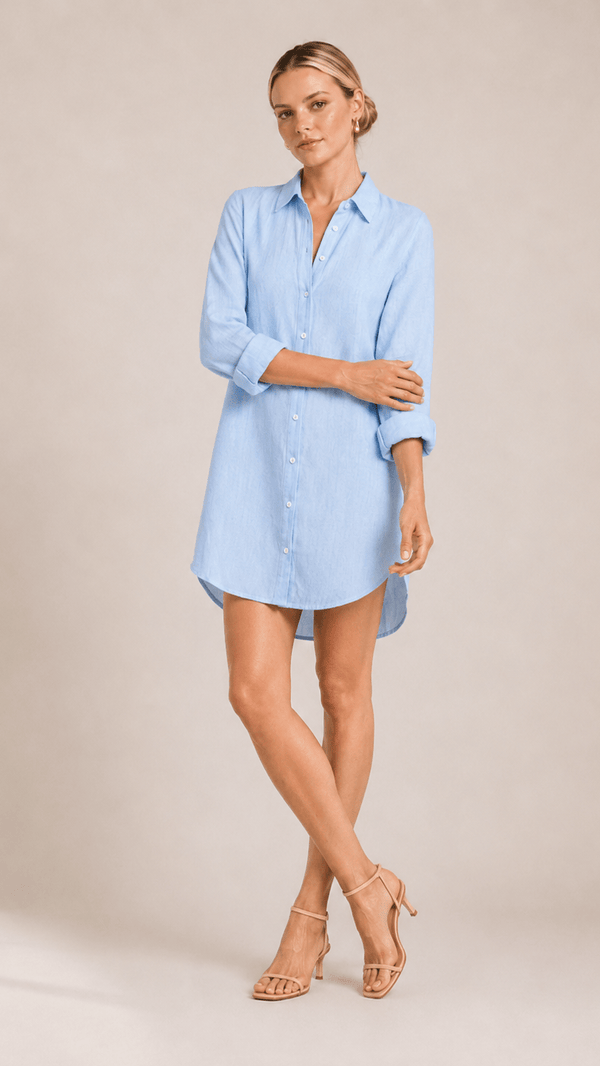
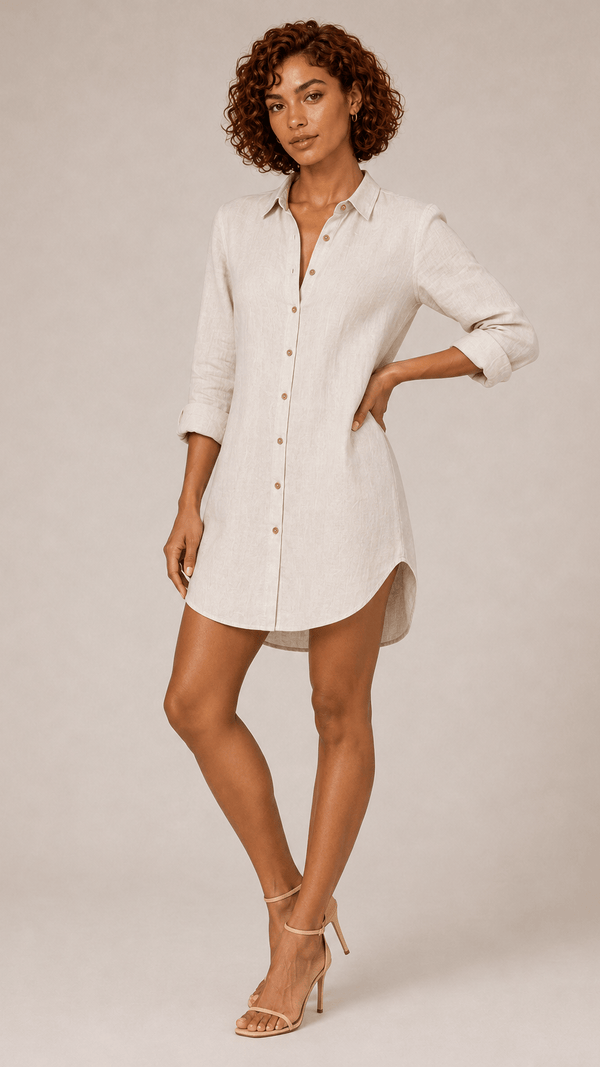
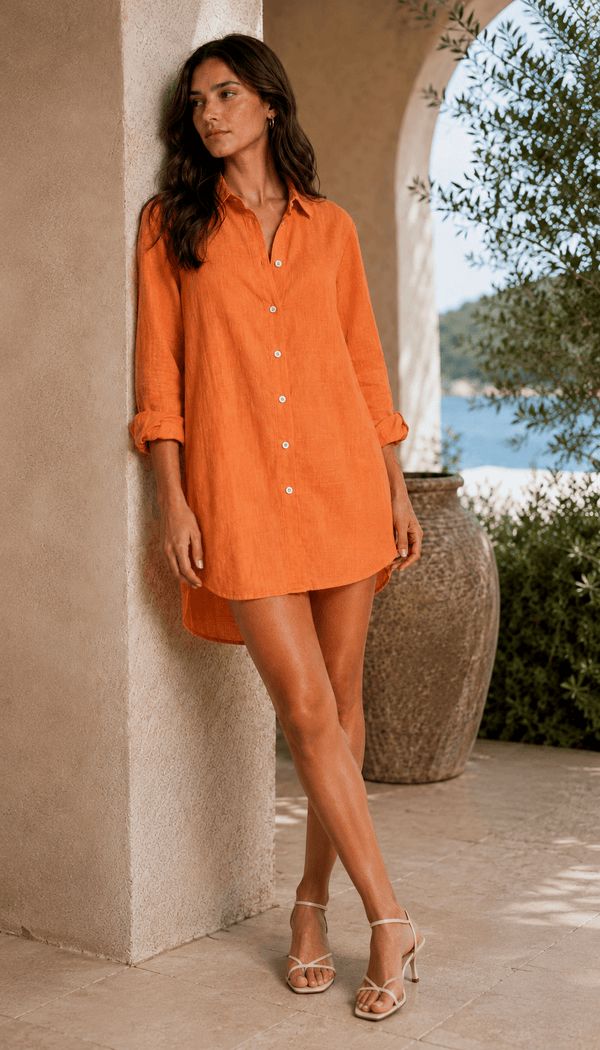
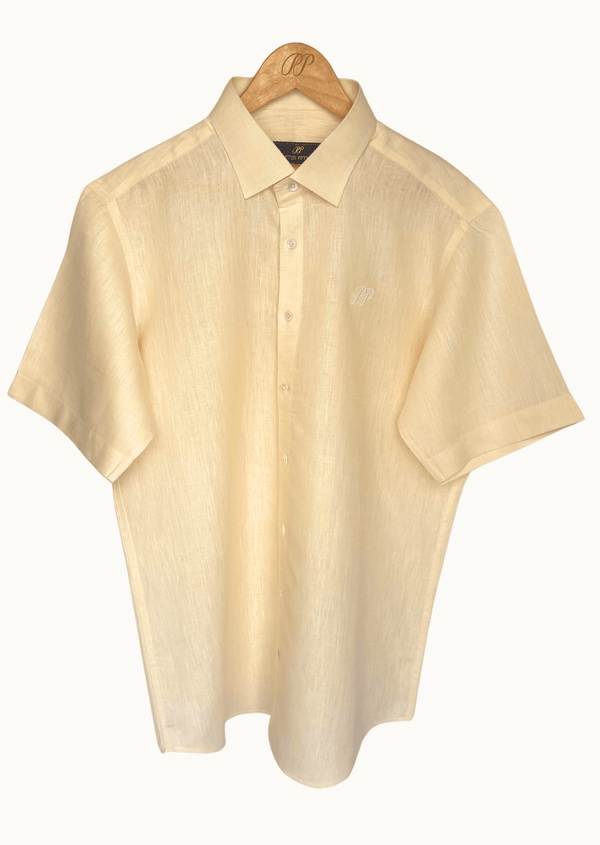
In a warm-weather wardrobe there is room for both. Gauze belongs to the hours at home, by the pool, and asleep; linen to the hours when the garment has to look composed as well as feel cool. The PP linen shirts and the women's linen collection belong to those second hours: lunch, the walk through town, dinner by the water.
Read more: Linen vs Cotton · Linen Weave Types