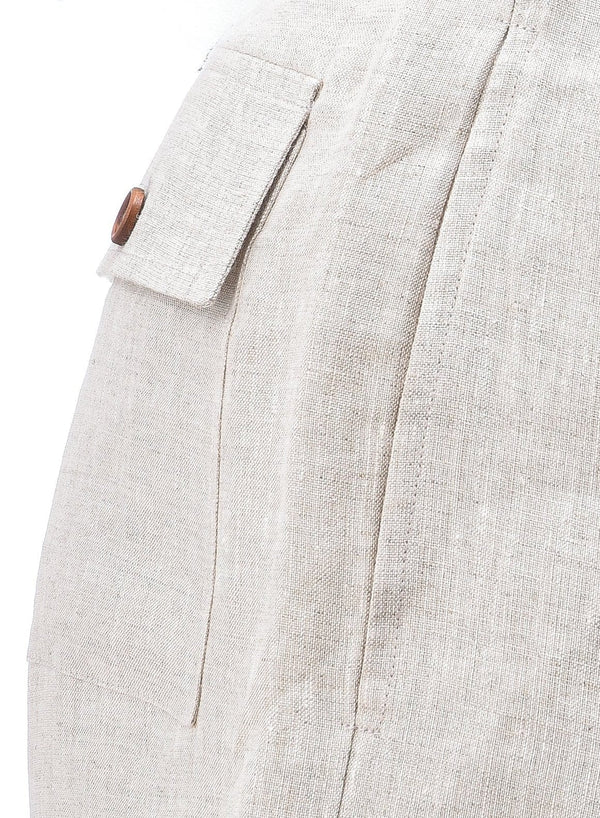
High-Quality vs Standard Linen — Grades and the Four Tests
High-Quality vs Standard Linen — Grades and the Four Tests
A technical guide to linen grades — the hand test, the drape test, the wash test, and what certification confirms.
What makes high-quality linen different from standard linen is, above all, fibre length: long-staple flax spins into finer, more even yarn, which gives a smoother surface, a fluid drape and a cloth that softens with washing instead of wearing out. Standard linen, spun from shorter fibres, feels coarser, creases into stiffer folds and loses its surface sooner.
Not all linen is the same fabric. The word describes a fibre category — cloth made from flax — not a quality standard. Within that category the range is wider than most people realise.
The grade is determined primarily by fibre length. Long-staple flax — the kind grown in northern Belgium and northern France, certified by origin — produces fibres of exceptional length. Longer fibres spin into finer, more consistent yarn. Finer yarn produces cloth with a smooth surface, a fluid drape, and a structural quality that holds its shape without stiffness.
“Premium linen is smooth from the first wear and becomes more so. That is the test. Everything else is secondary.”
— Pieter Petros, founderShort-staple linen, grown in other regions or processed more quickly, produces shorter fibres. Short fibres spin into coarser yarn. Coarser yarn produces cloth that is rougher to the hand, stiffer in its initial drape, and more likely to pill or lose its surface texture with washing.
How to tell the difference:
The hand test. Run the back of your fingers across the surface. Premium long-staple linen is smooth — the individual fibres do not register against the skin. Lower-grade linen has a perceptible texture that can range from mildly rough to scratchy on first contact. What good linen should feel like is described in linen hand feel.
The drape test. Hold the cloth away from the body and release it. Premium linen falls in a continuous, fluid line. Lower-grade linen creases into angular folds or hangs without movement.
The wash test. This takes time but is definitive. Premium linen — long-staple, well-processed — softens with each wash without losing structure or drape. Lower-grade linen may soften initially but begins to pill, lose its hand, or go limp within the first season.
The certification check. Belgian linen carries the Belgian Linen® certification mark — a standard confirmed by document, not by label alone. A certificate of origin accompanying the finished garment is the clearest external confirmation that the linen is long-staple and from the certified region.
How to identify linen fabric
Before judging the grade, it helps to know the cloth is linen at all. Linen feels cool to the touch, creases readily when crushed in the hand, and shows small natural variations in the thickness of the yarn. Hold it to the light and the weave looks slightly irregular rather than machine-perfect. A cotton cloth, by comparison, feels warmer and softer at first and creases less sharply. The label should read 100% linen; anything else is a blend.
Fabric vs linen — and “lenin” vs linen
“Fabric” is any woven or knitted cloth; linen is one specific fabric, woven from flax. “Lenin” is simply a common misspelling of linen — there is no fabric of that name. And “linen vs linen” is a real comparison: two cloths with the same name can differ entirely in grade.
Slub linen vs linen
Slubs are the small thickened places in a linen yarn where the flax fibre varies naturally. They are a characteristic of linen, not a defect, and every linen shows some. A fine, long-staple linen shows them as a quiet, even texture; a cloth with heavy, irregular slubs is usually spun from coarser fibre or made to look rustic on purpose. The full story is in linen slubs.
Washed linen vs regular linen
Washed linen is linen that has been washed after weaving or after making, so that it arrives already soft and relaxed, with less of the crispness of new cloth. Washing is a finish, not a grade: a washed short-staple linen is still short-staple linen. The grade still comes down to the fibre, which is why the hand, drape and wash tests above apply to washed and unwashed linen alike. More on the finish in what is washed linen.
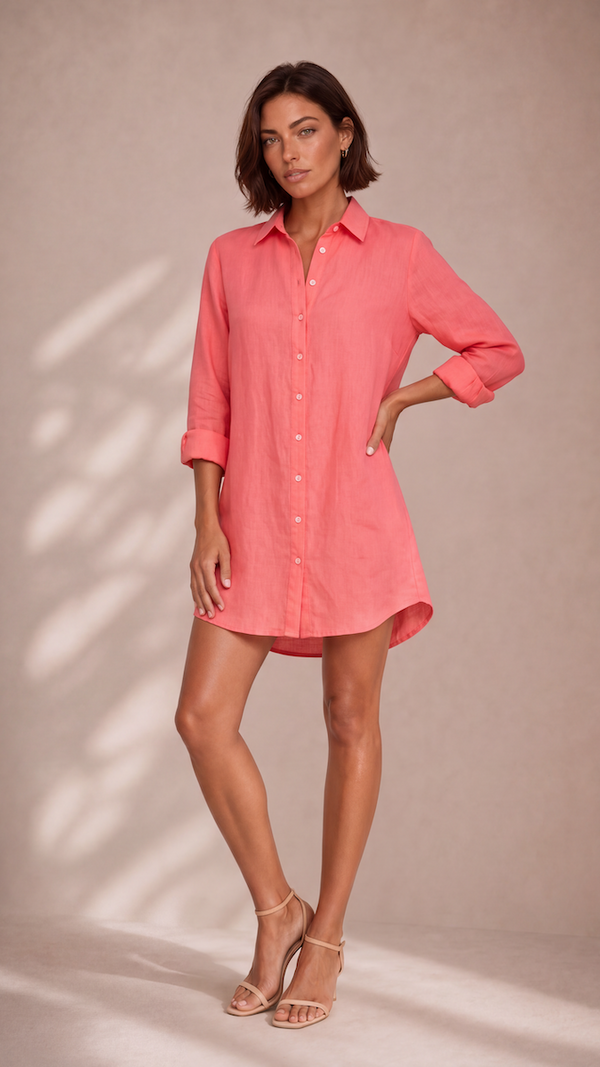
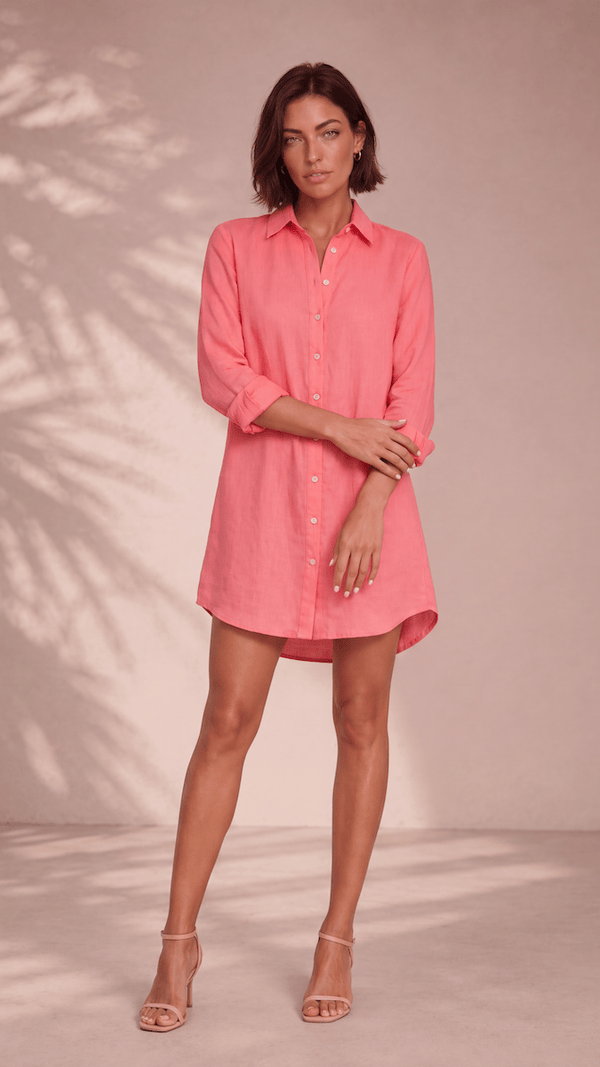
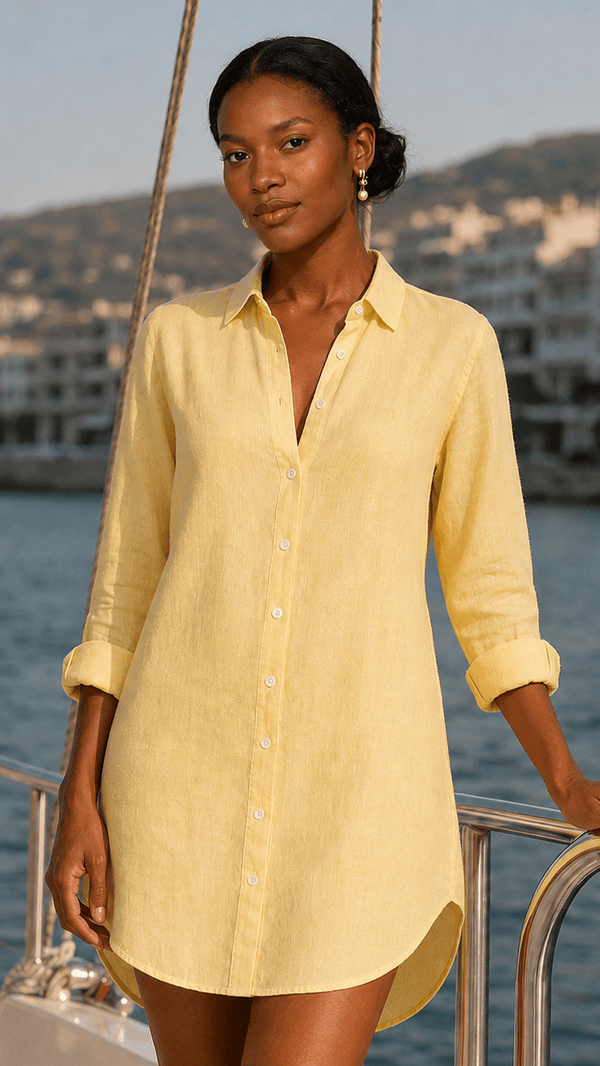
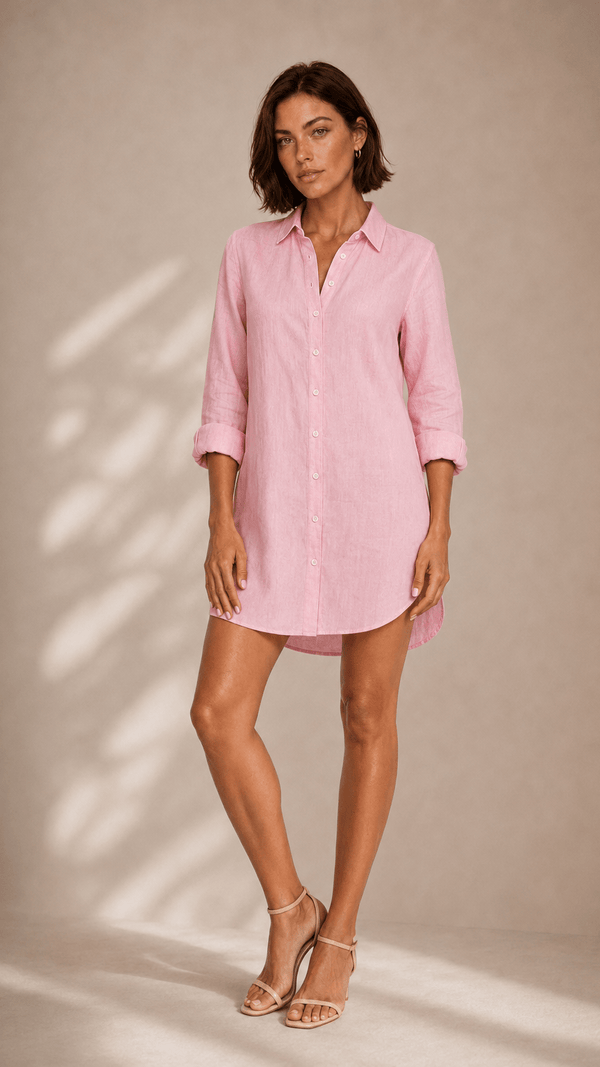
Every Belgian linen garment in the PP collection is cut from certified Belgian linen, and its certificate of origin comes with the piece.
How to Identify Premium Linen · Why Belgian Linen Improves with Washing