Is Flax the Same as Linen? — Where the Plant Ends and Cloth Begins
Is Flax the Same as Linen? — Where the Plant Ends and Cloth Begins
Retting, scutching and hackling: where the plant ends and the cloth begins.
The short answer is that flax and linen are the same material at different stages of its life. Flax is the plant, Linum usitatissimum, and the fibre taken from its stem; linen is the yarn spun from that fibre and the cloth woven from the yarn. So is flax the same as linen? In substance, yes. In language, the two words mark the moment when a crop becomes a textile, and English keeps them apart more carefully than most languages do.
In French, the single word lin covers the plant, the fibre and the cloth; Dutch has vlas for the plant and linnen for the cloth, much as English does. The English word linen comes, through Old English, from the Latin linum, the same root that gives linseed, line and lingerie. The second half of the botanical name, usitatissimum, means "most useful", and the plant has earned it: its fibre has been woven for thousands of years, and its seed gives oil, flour and animal feed.
“A field of flax and a linen shirt are one material, a year or so apart.”
— Pieter Petros, founderNot all flax becomes linen. Farmers grow two broad types. Fibre flax is tall, slender and sparsely branched, sown densely so that the stems grow straight and long; it is grown for the fibre inside the stem. Oilseed flax, usually called linseed, is shorter and more branched, with more seed heads, and is grown for its seed. The two are the same species, bred in different directions over centuries. A field of linseed will not give fine linen, and a field of fibre flax is not grown for oil.
The journey from plant to cloth explains why the two words exist. Fibre flax is not cut but pulled from the ground, so that the fibre keeps its full length down to the root. The pulled stems are laid in rows on the field for retting, during which dew, rain and soil microbes loosen the fibre from the woody core. The dried straw is then scutched to break and remove the wood, and hackled, combed through fine pins to separate and align the long fibres. Only then is the flax spun into yarn. Up to that point it is flax; once spun and woven, it is linen.
Where the flax grows matters as much as what it is. According to the European flax and linen industry body, around three quarters of the world's long flax fibre comes from a single band of land across northern France, Belgium and the Netherlands, where a mild maritime climate, deep soils and regular rain suit the plant particularly well. Part of that harvest is certified under the Belgian Linen® mark, a private certification that traces the fibre's origin as far as the woven fabric.
The word linen has one more meaning that causes confusion. Household textiles are still called linens, as in bed linen or table linen, because for centuries they were made of linen. Today a great deal of bed linen is cotton, and the word on the label says nothing about the fibre. When the fibre matters, the composition does the work: "100% linen" or "100% flax" mean the same thing, and the certificate of origin, where there is one, says where the flax was grown.
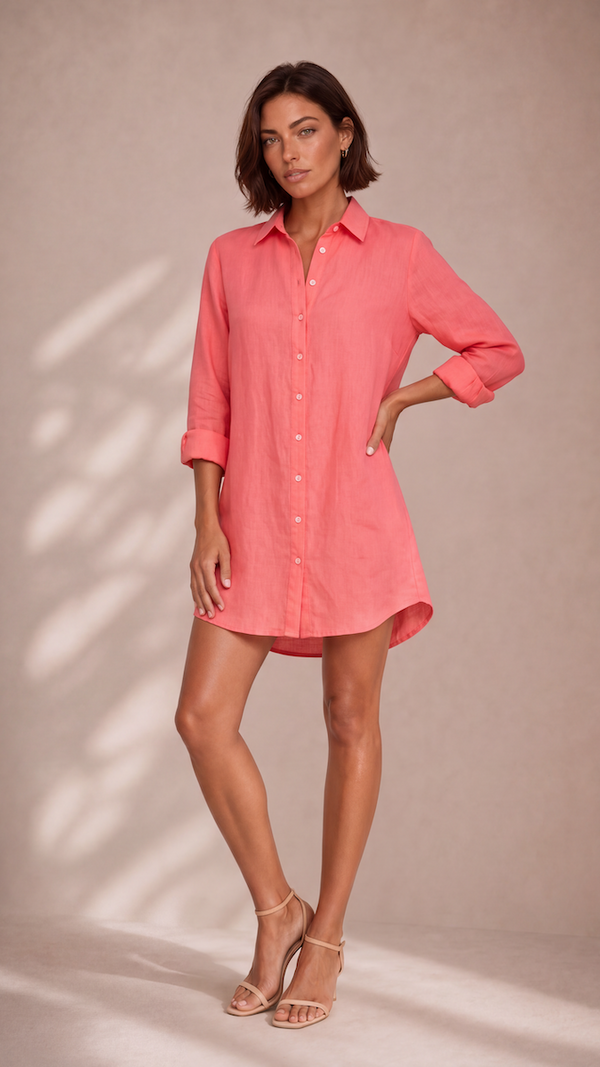
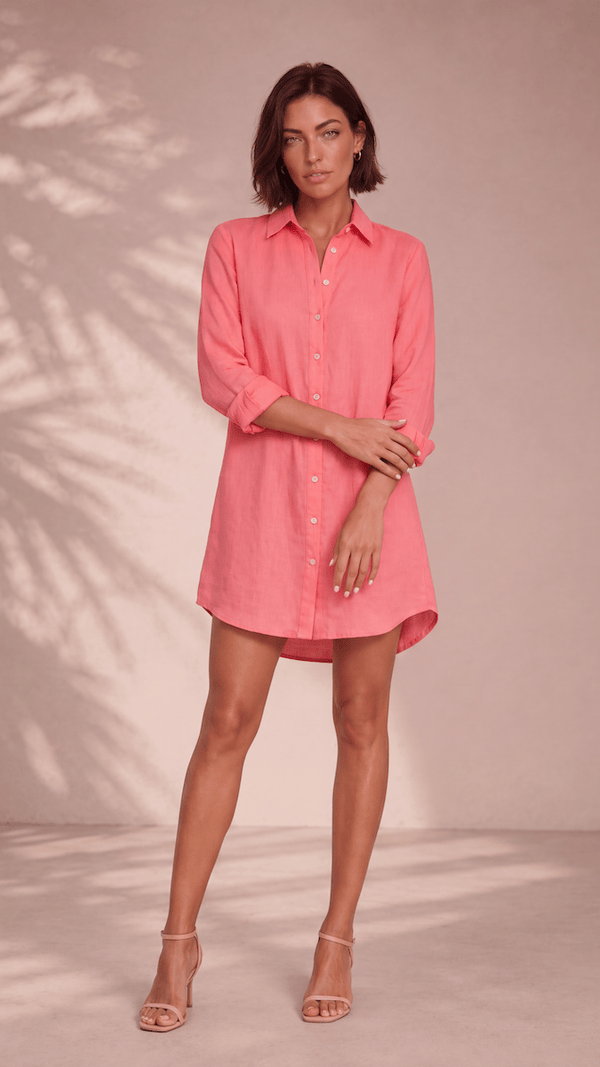
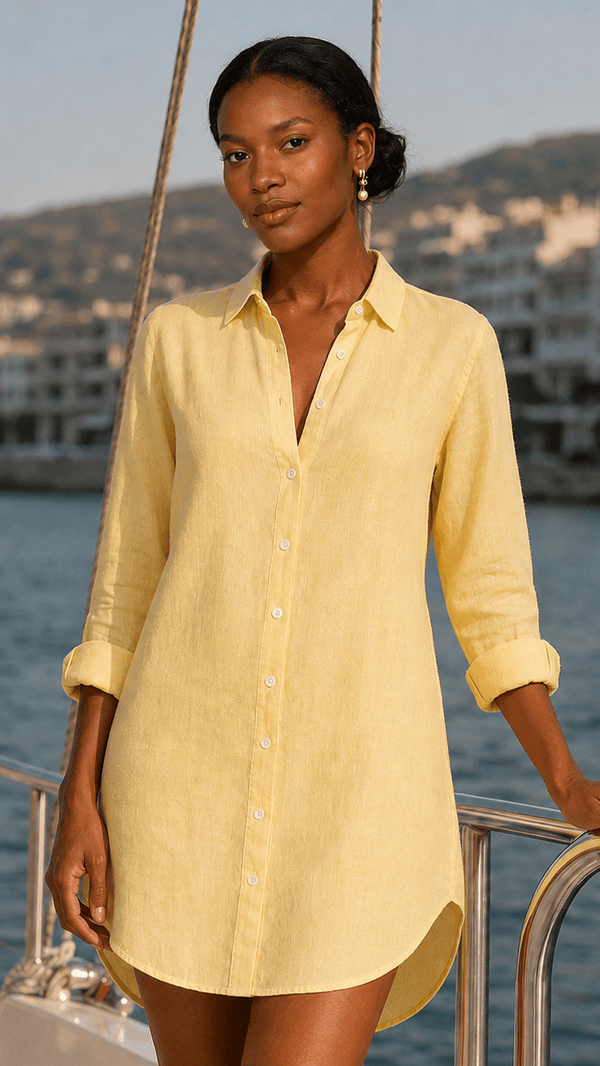
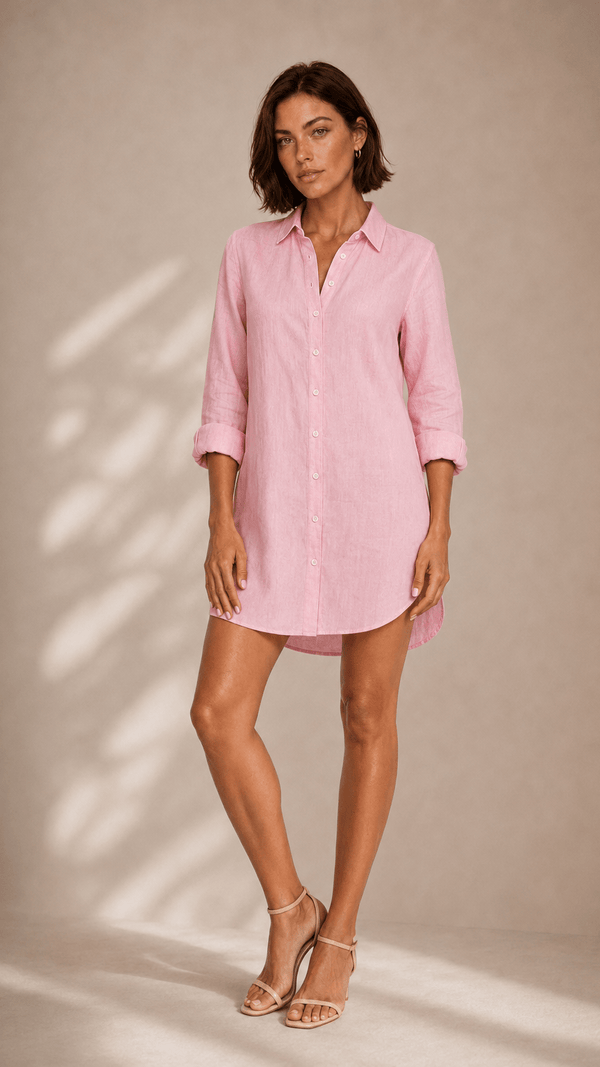
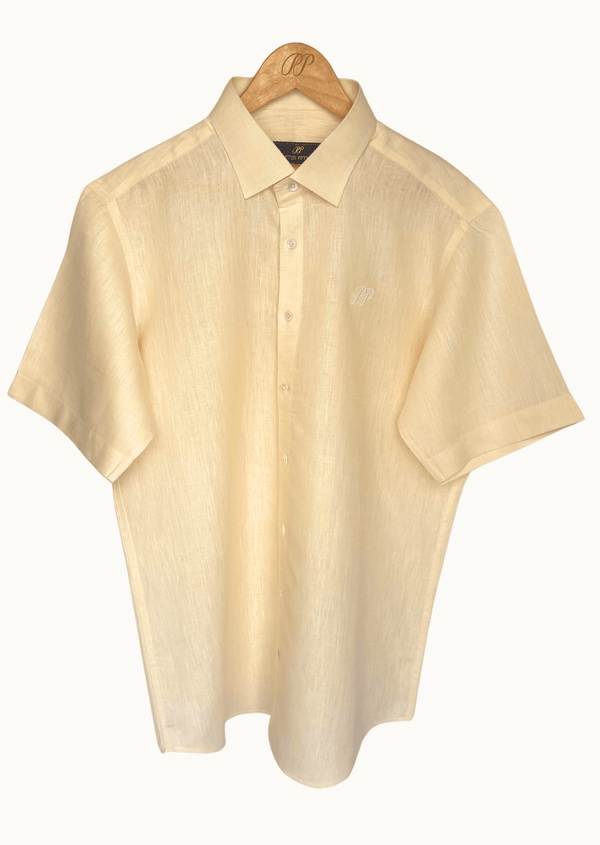
For the wearer, the distinction is mostly a matter of reading labels correctly. A shirt described as flax and a shirt described as linen may be made of the same fibre; what separates a fine linen shirt from an ordinary one is the length and quality of the fibre, the spinning and the weave, not the word on the tag. For a shirt from the PP linen shirts, the composition reads simply as linen, and a certificate of origin accompanies the certified Belgian linen pieces.
In July, the flax fields of Flanders and Normandy flower for a week or two, each bloom opening in the morning and falling by the afternoon, and about a month later the plants are pulled and laid out on the ground to begin their change into cloth.
Read more: How Linen Is Made, from the Flax Field · The Belgian Linen Certificate of Origin