What Luxury Fashion Actually Costs — The PP Argument
What Luxury Fashion Actually Costs — The PP Argument
On what the price of a PP linen shirt actually contains — and the shirt that becomes the default.
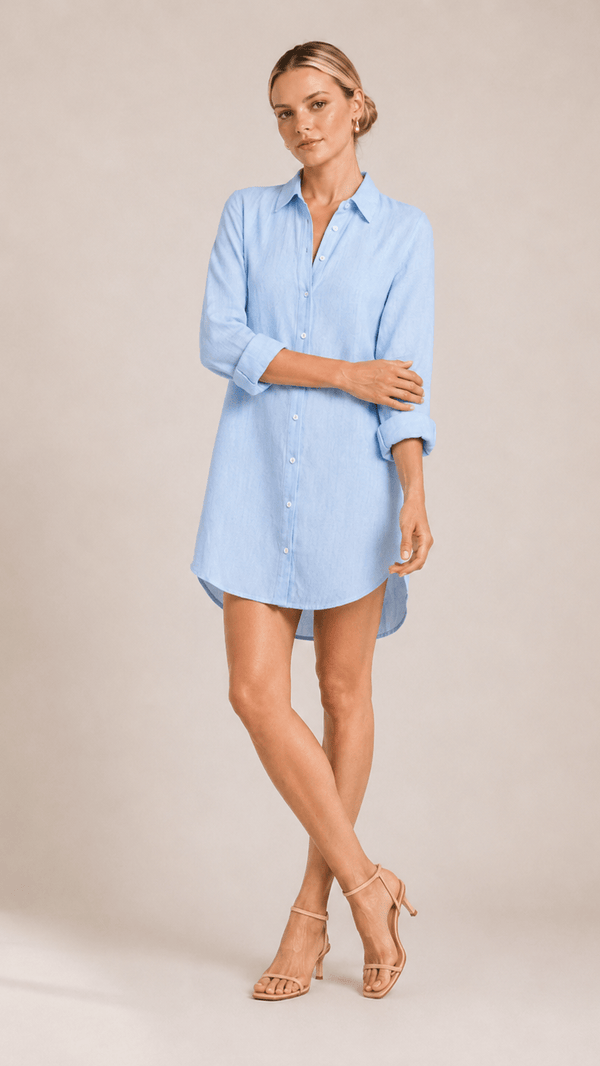
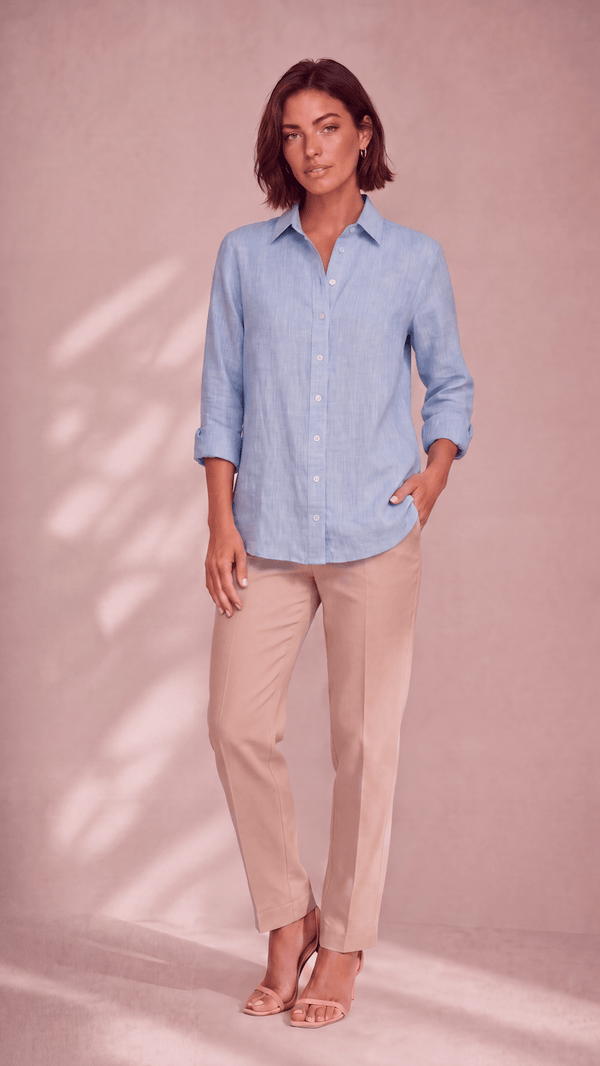
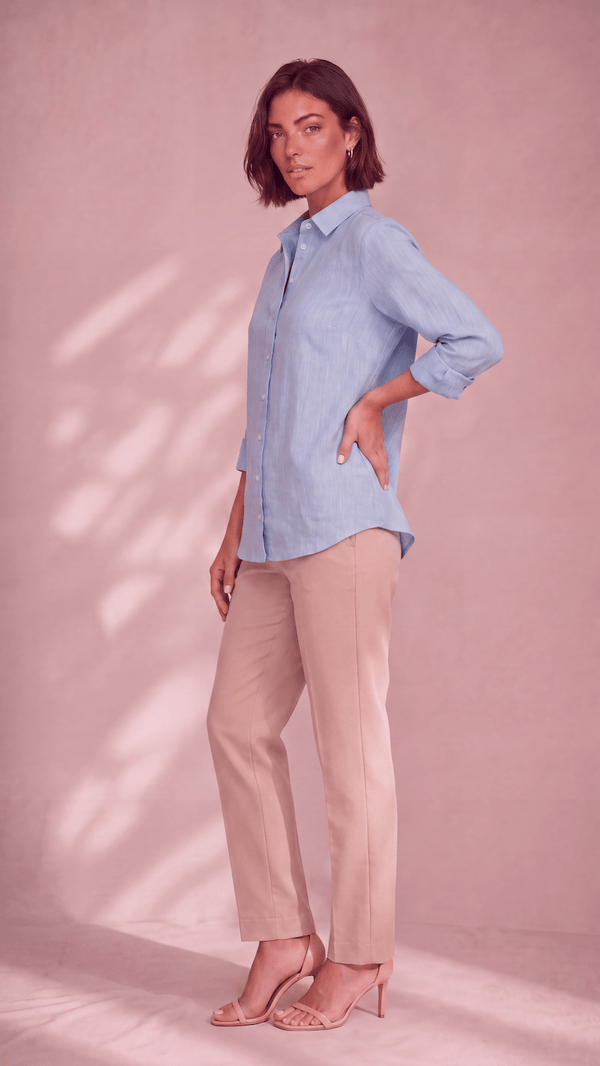
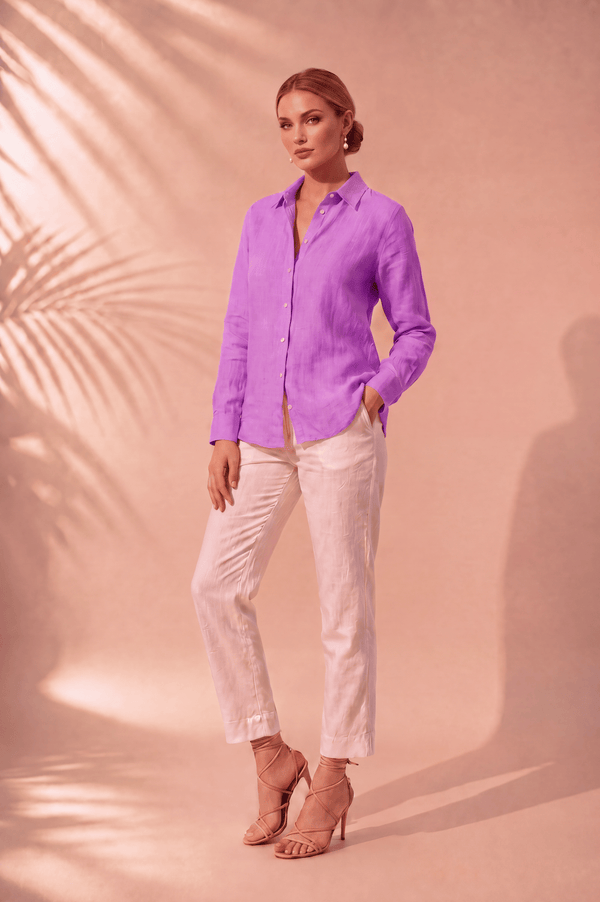
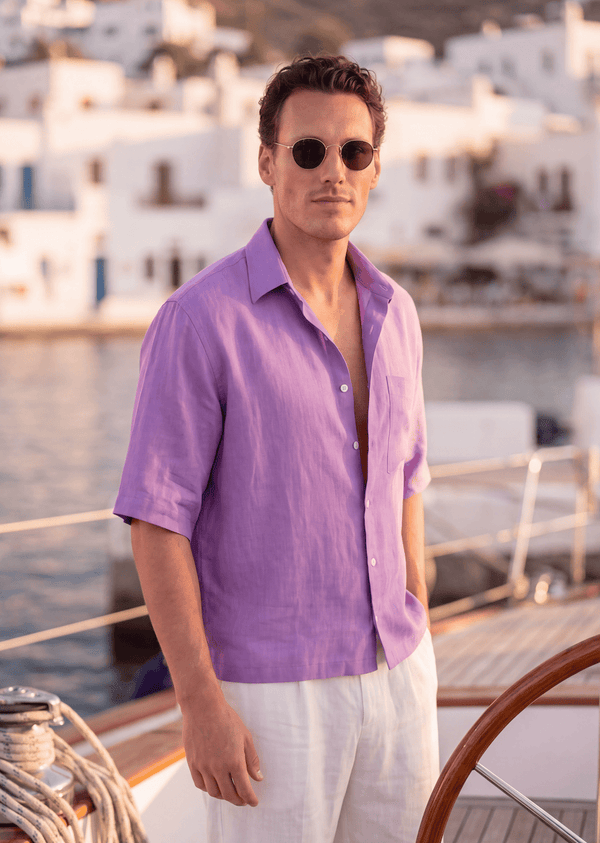
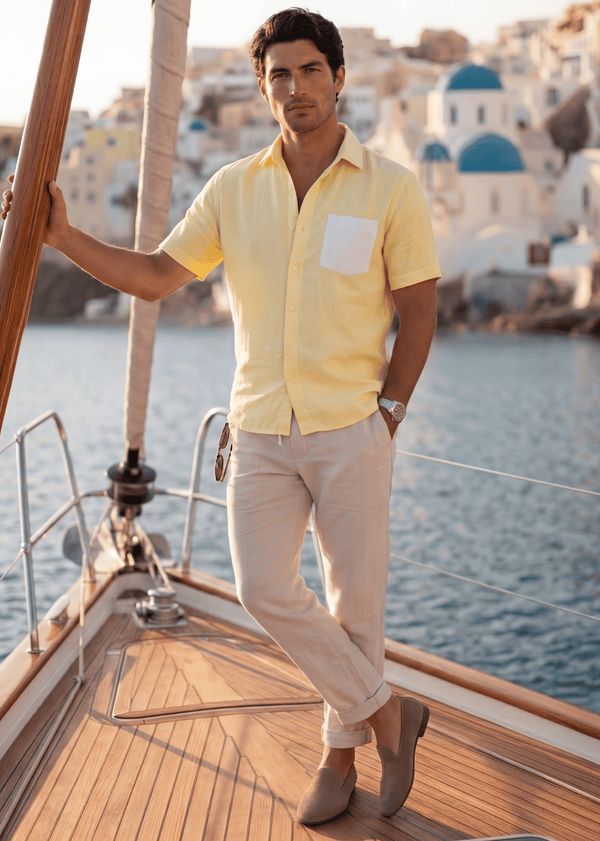
There is a shirt that becomes the default. Not the best shirt in the wardrobe — the one that gets reached for first, worn to the meetings that matter, trusted for the evenings where the occasion is unspecified but the standard is not. Most people have one. Most people are also not sure how it became the default, or why the others have not.
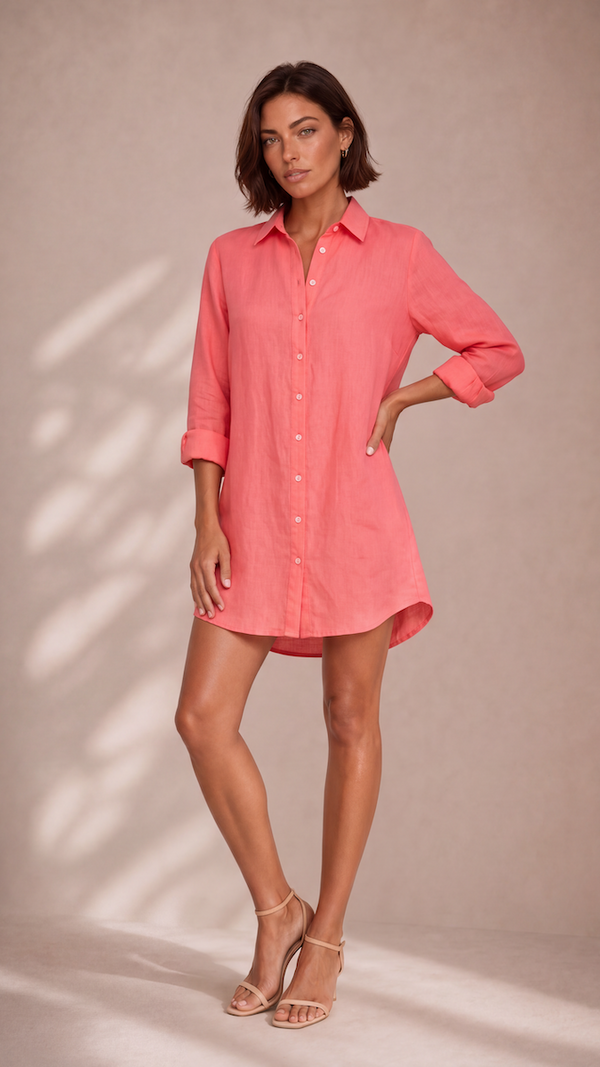
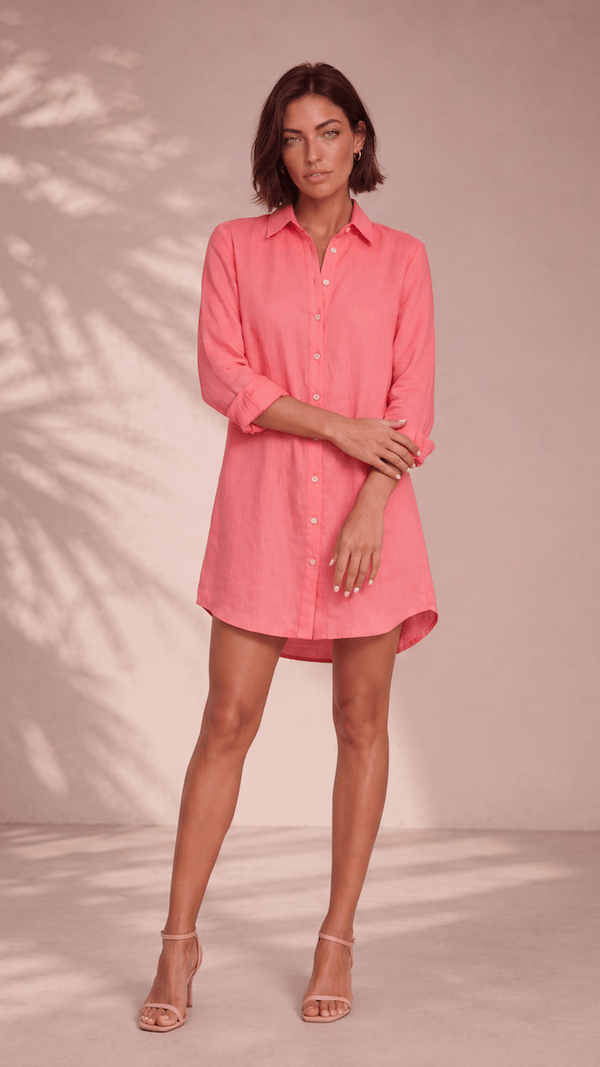
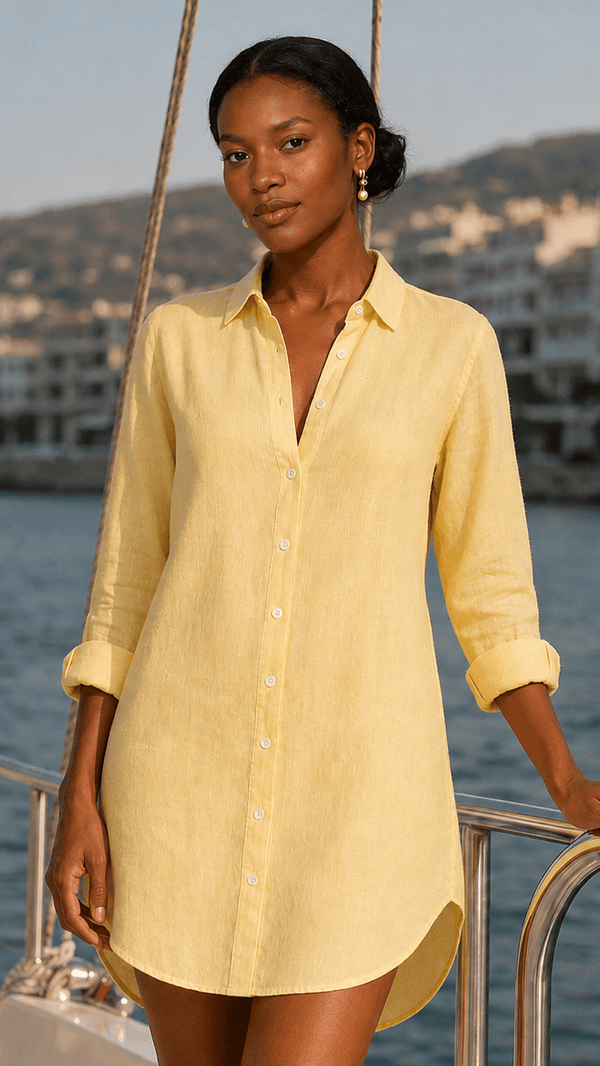
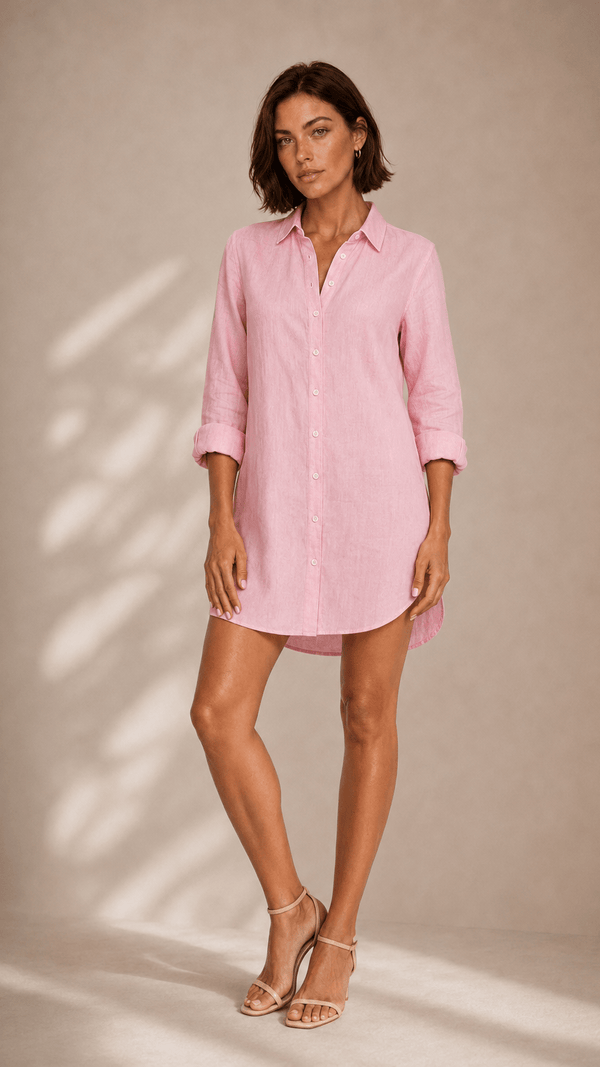
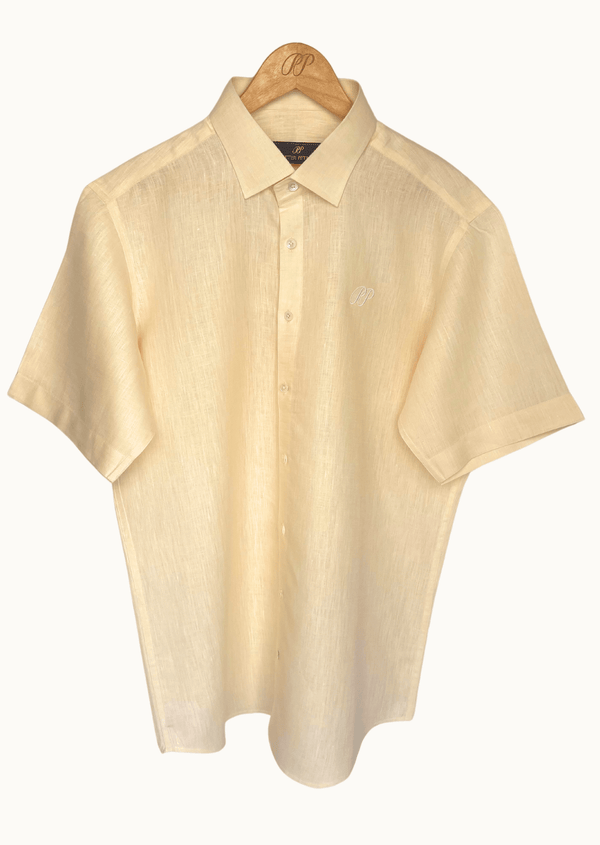
The PP linen shirt becomes the default because it does not fail. The collar holds at seven in the evening the way it did at nine in the morning. The cloth does not soften into something that reads as used by the time the second meeting is over. It is there at the end of the day in the same condition it was at the beginning — which is, in the context of a serious day in the Gulf or the Mediterranean, an unusual quality in a garment.
“The shirt that becomes the default is the shirt that does not fail. That is the standard we build to.”
— Pieter Petros, founderThe shirt worn twice a week across a season also changes. The Belgian linen softens over months of washing rather than degrading. The garment that arrives is the beginning of a shirt, not the finished version. By the end of the first year, it drapes differently — more personally, more specifically, more suited to the body wearing it. This is what distinguishes natural fabric made correctly from everything else available at any price.
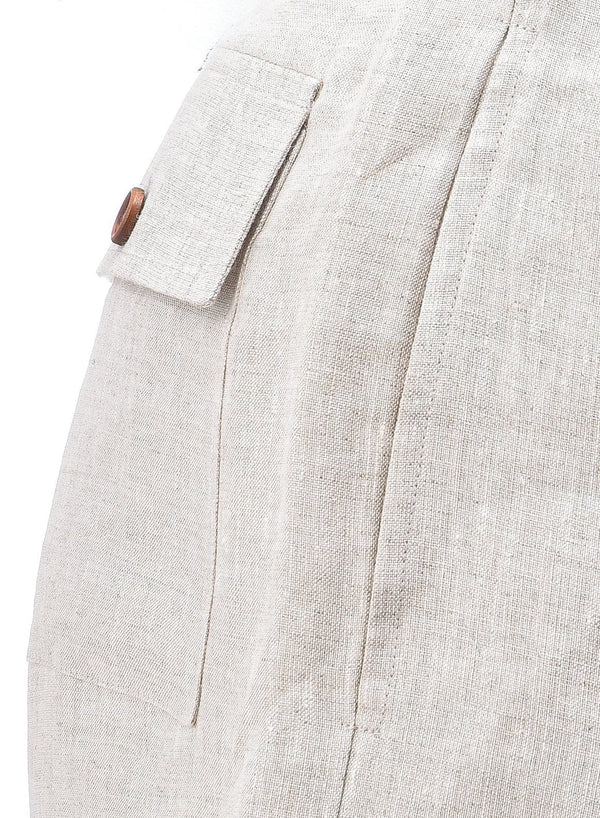
The construction: handmade at the Dubai atelier, natural buttons attached individually, certificate of origin included. It becomes the shirt that gets reached for first, and stays there.
There is no shorter version of this argument.
What It Means When a Shirt Is Truly Handmade · How to Identify Premium Linen