Natural Fabric Types — A Guide to What Each One Does
Natural Fabric Types — A Guide to What Each One Does
A guide to natural fabric types — linen, cotton, wool, silk, cashmere, hemp — what each one is, what it does, and where it performs best.
Natural fabrics are textiles made from fibres that occur in nature — from plants, from animals, or from mineral sources. Each has specific properties determined by the origin and structure of its fibre, and each performs differently in different conditions.
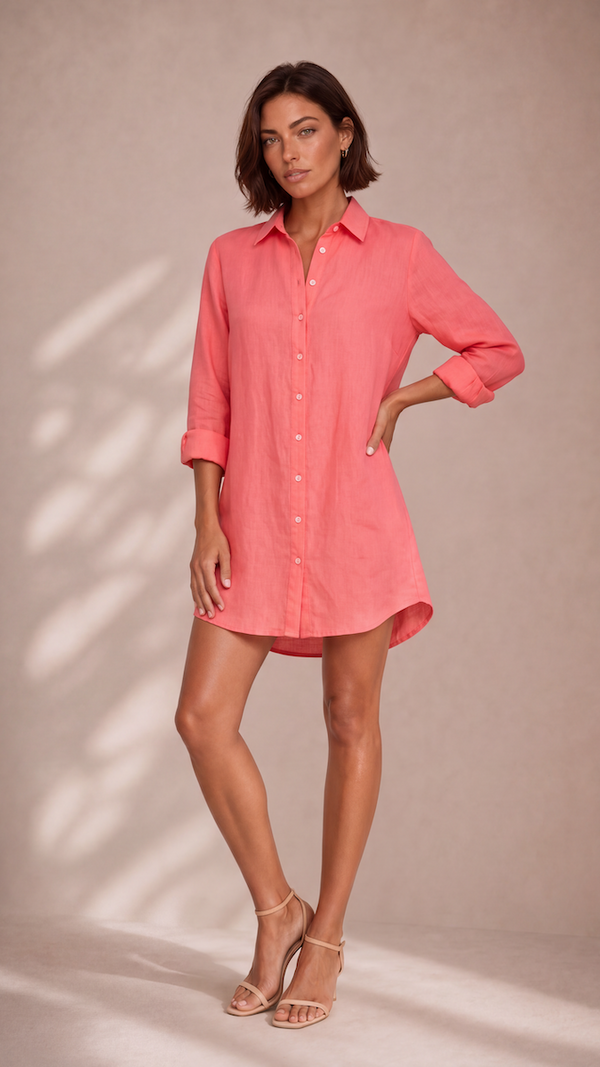
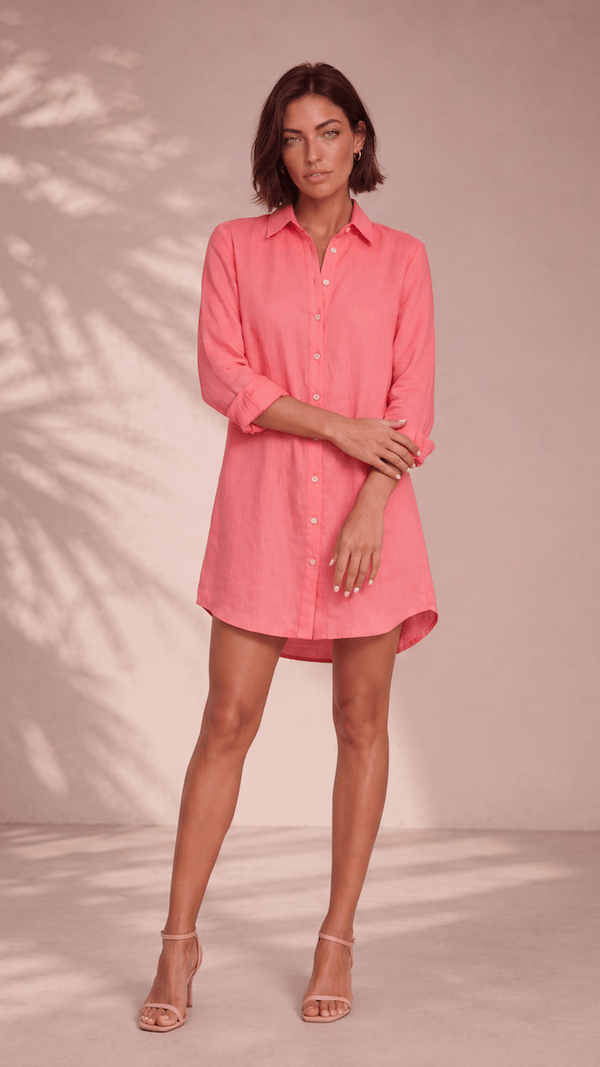
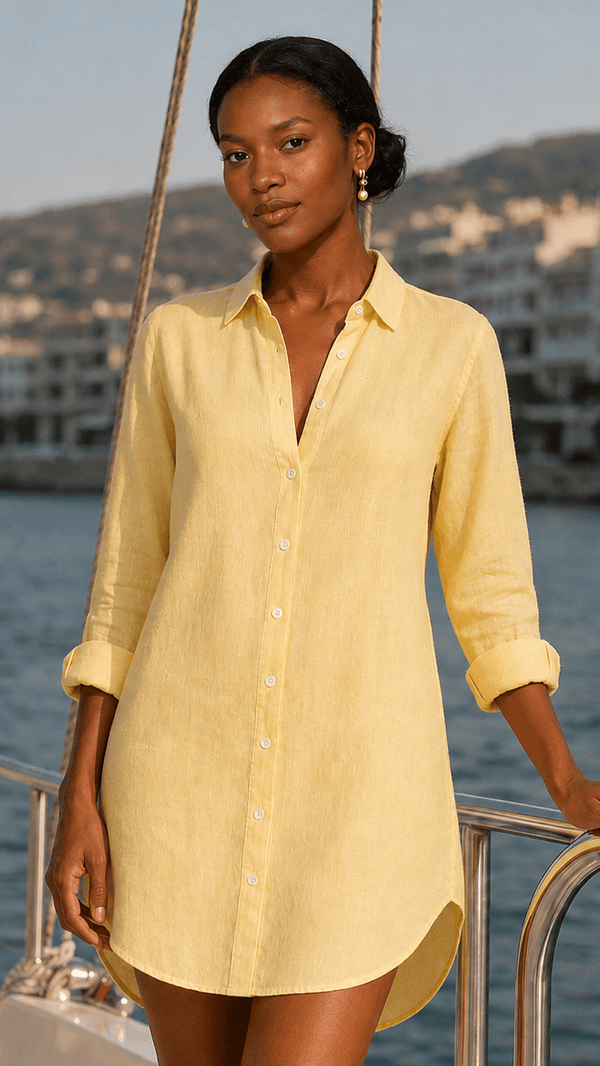
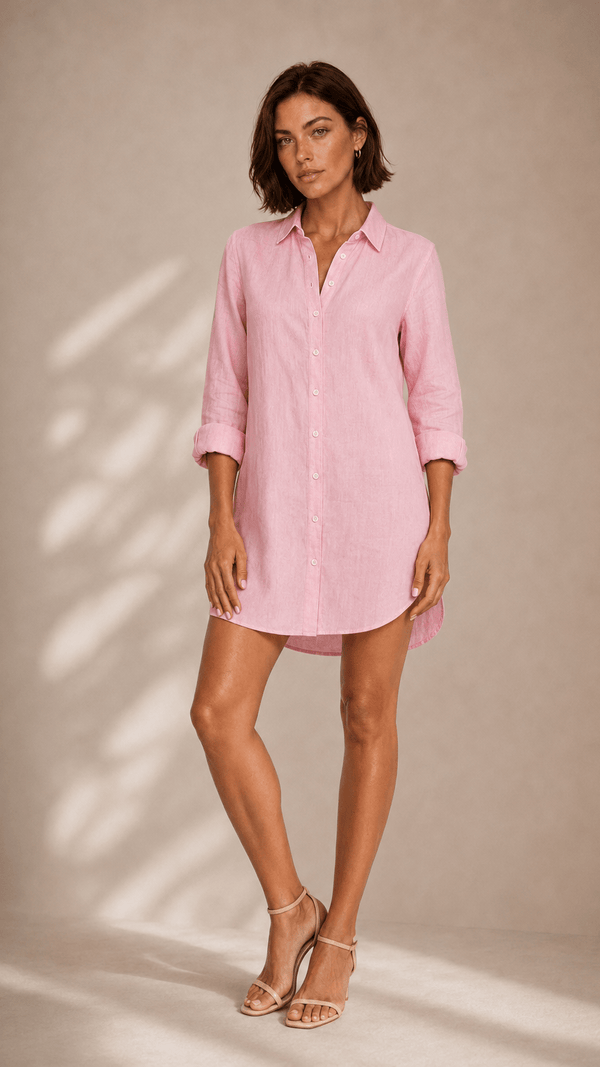
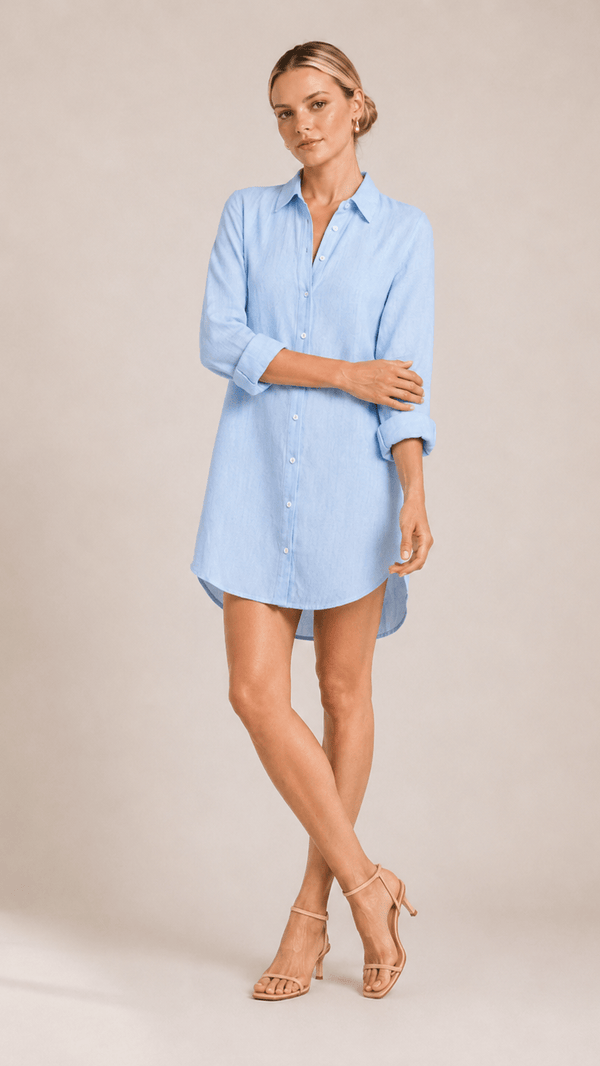
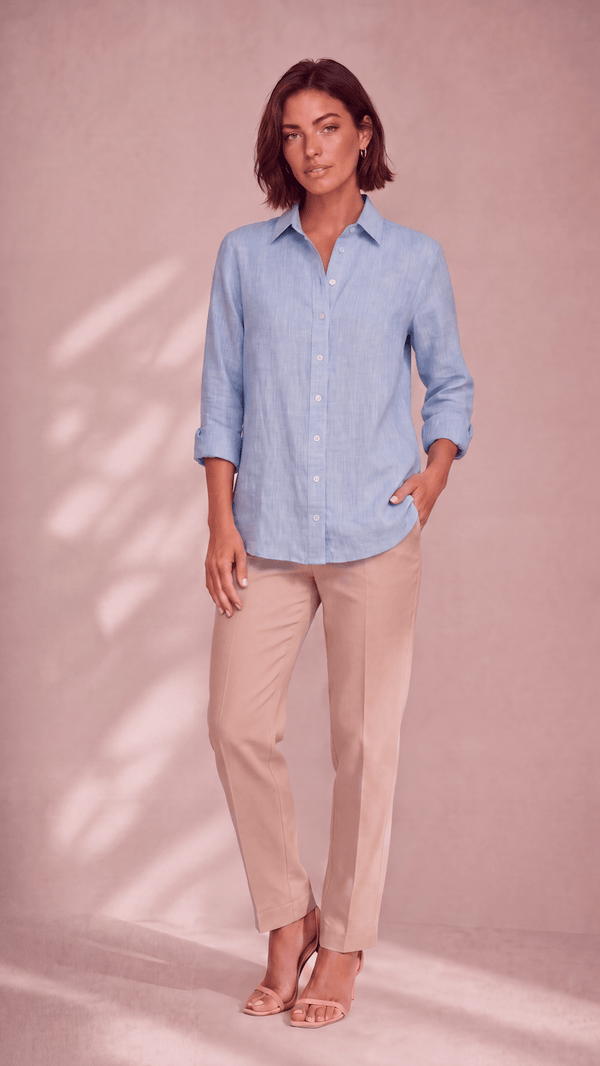
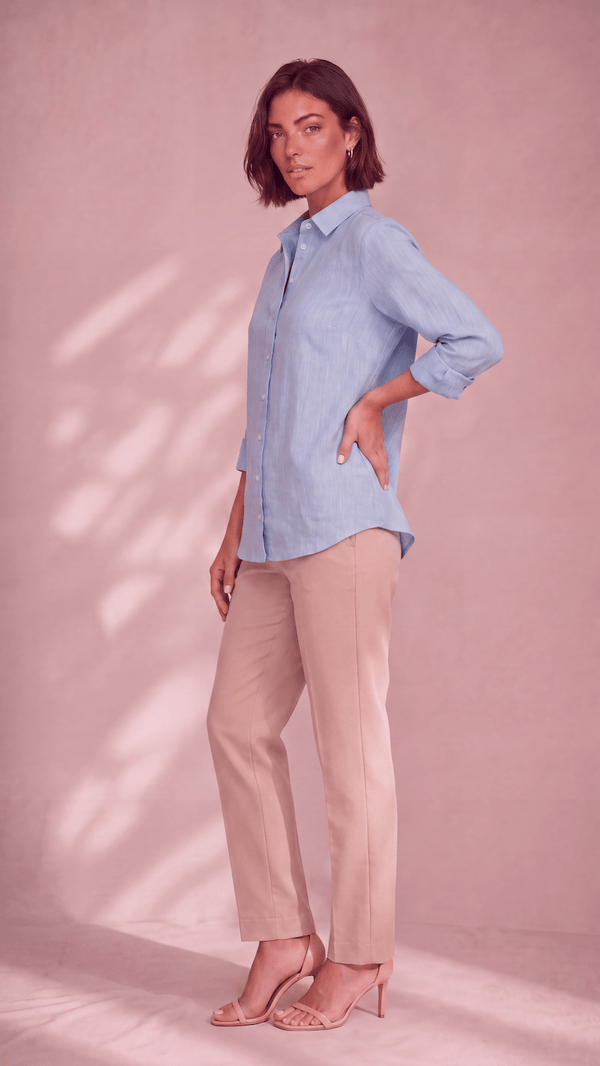
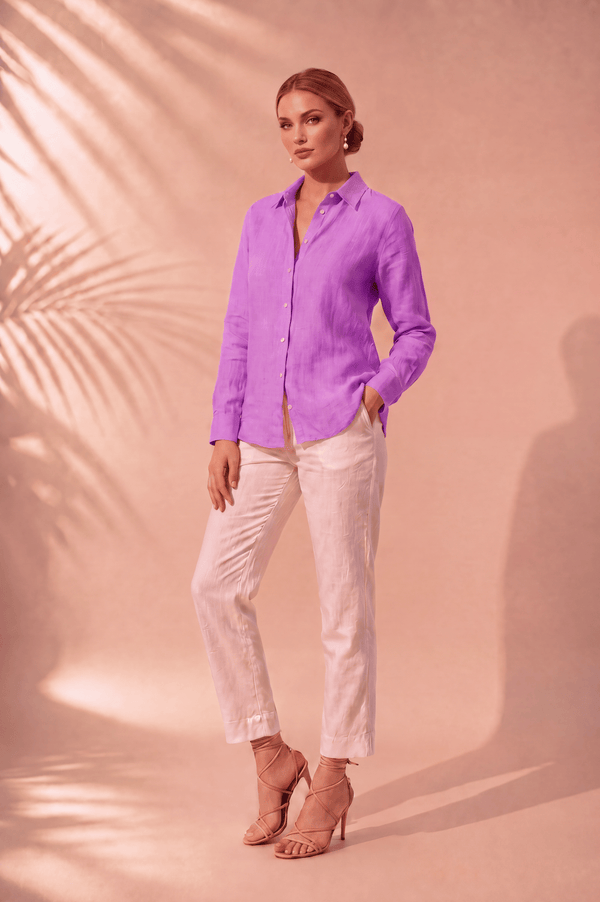
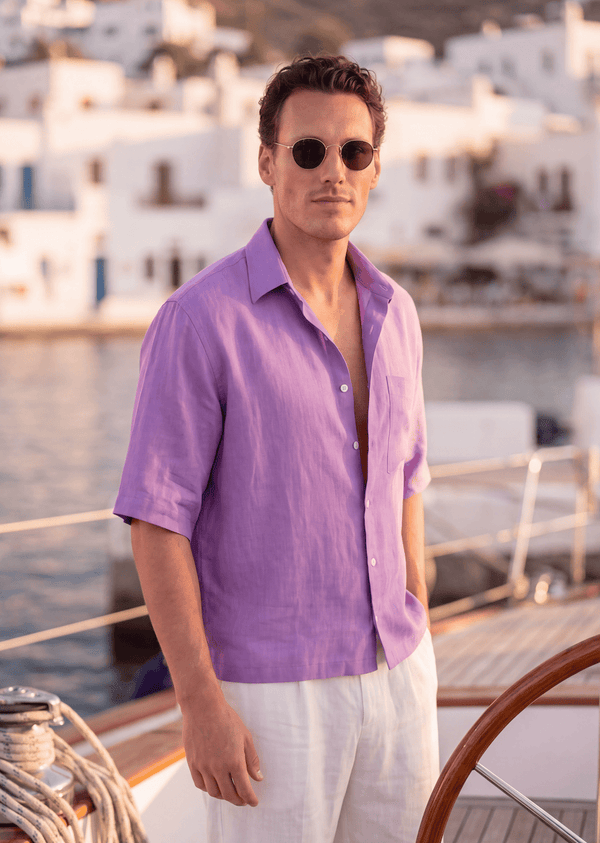
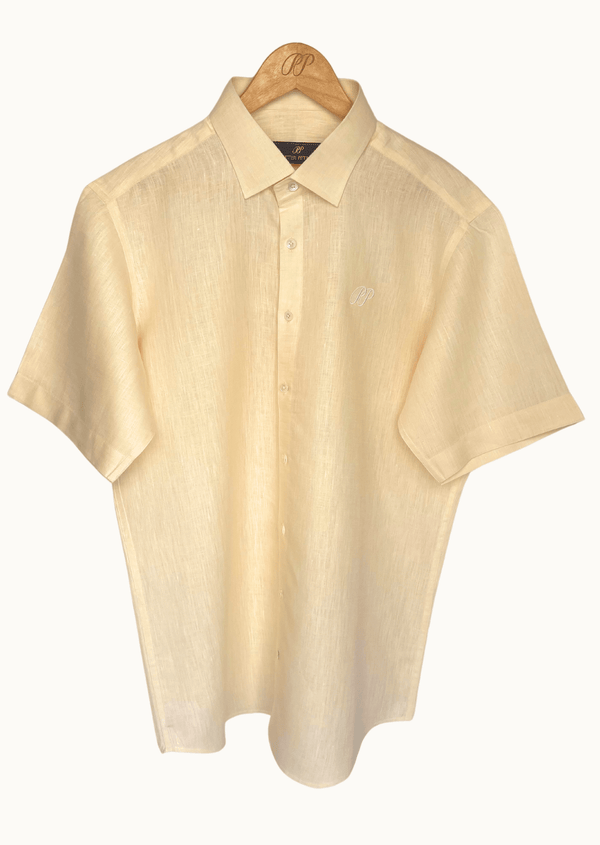
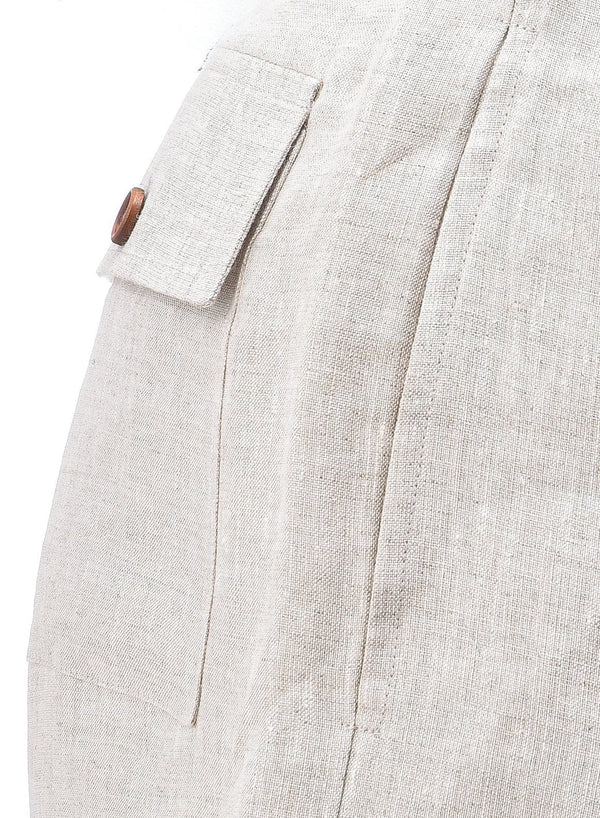
Linen. Made from flax plant fibres. Among the strongest natural fibres in common use. Breathes well in heat, manages moisture by releasing perspiration as vapour, softens progressively with washing, and is fully biodegradable. The preferred fabric for warm-weather dressing. Belgian linen — from the certified corridor of northern Belgium and northern France — is widely regarded as the finest variety available.
“The natural fibre produces without petrochemicals, performs for the body, and returns to the earth when done. That is the standard we build to.”
— Pieter Petros, founderCotton. Made from the seed pod of the cotton plant. Softer than linen from the first wearing but does not improve with washing in the same way. Excellent moisture absorption. Versatile across temperatures. The most widely produced natural fabric in the world.
Wool. Made from animal fleece, most commonly sheep. The finest wools — merino, cashmere, alpaca — have excellent softness, warmth, and moisture management properties. Wool insulates through its crimped, air-trapping fibre structure. Natural wool felt is the correct material for a sauna hat: it insulates against heat, manages moisture, and holds its form under repeated steam exposure.
Silk. Made from the cocoon of the silkworm. The finest and most lustrous natural fibre. Temperature-regulating, moisture-managing, and extraordinarily soft. Silk is less durable than linen or cotton under everyday conditions and requires more careful handling. Its natural lustre makes it most appropriate for evening and formal contexts.
Cashmere. A specific category of wool from the cashmere goat. Among the softest natural fibres available. Warmer than standard wool by weight. Best suited to cooler climates and transitional seasons.
Hemp. Made from the cannabis plant fibre. Strong, durable, and biodegradable. Coarser than linen in most processing but improves with washing. Growing in use in sustainable fashion contexts.
The common thread: most natural fibres are biodegradable under appropriate conditions, produced without petrochemicals, and capable of performing correctly for the human body in the conditions it was designed for. Synthetic fabrics — polyester, nylon, acrylic — are engineered to replicate these properties but do not biodegrade and can release microplastic fibres during washing.
PP uses natural fibres throughout: certified Belgian linen, natural wool felt, natural buttons.
What Is Linen Fabric · Why Wool Is the Finest Natural Insulator · Men's Linen Collection