The Natural Fabric Guide — Linen, Cotton, Silk, Wool and Beyond
The Natural Fabric Guide — Linen, Cotton, Silk, Wool and Beyond
Natural fabric guide — linen, cotton, silk, wool properties, occasion register, biodegradability compared.
The natural fabric wardrobe has four primary materials: linen, cotton, silk, and wool. Each has a specific structure, a specific occasion register, and a specific set of properties that make it the correct choice in some contexts and the wrong choice in others. This is the complete reference.
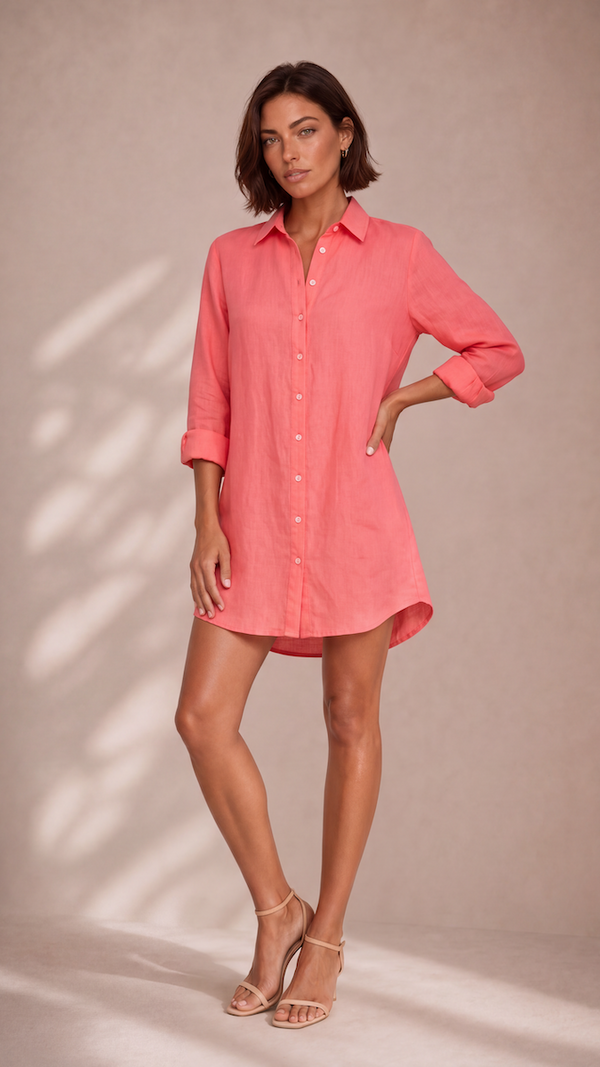
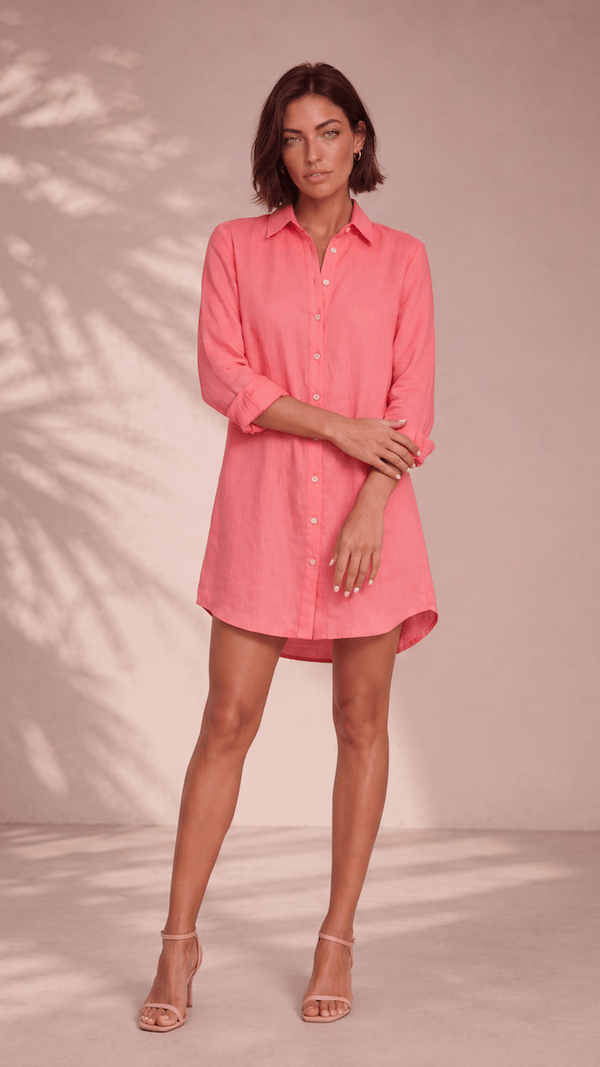
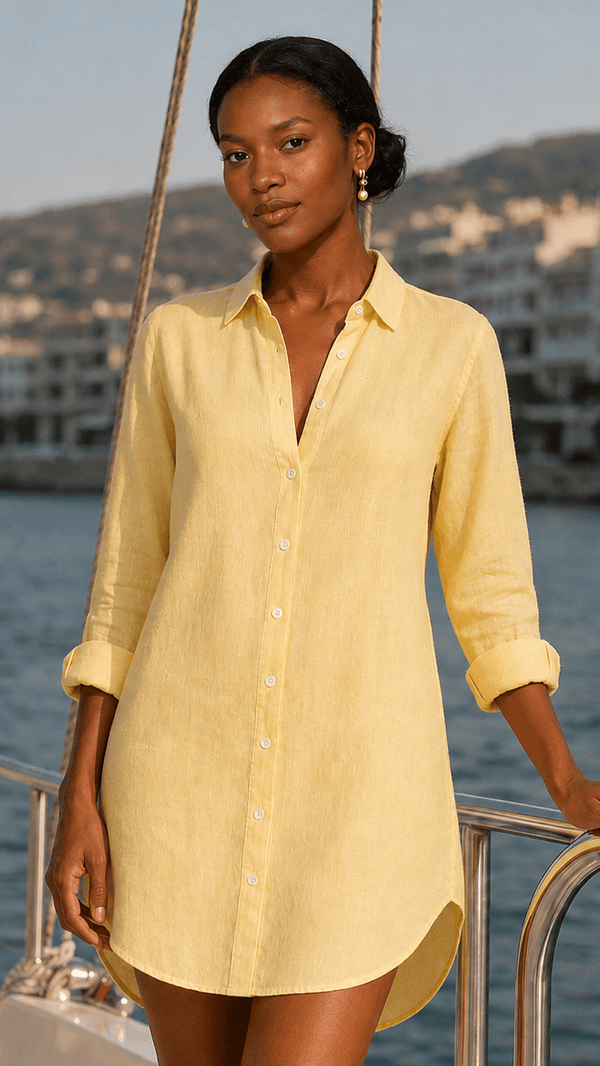
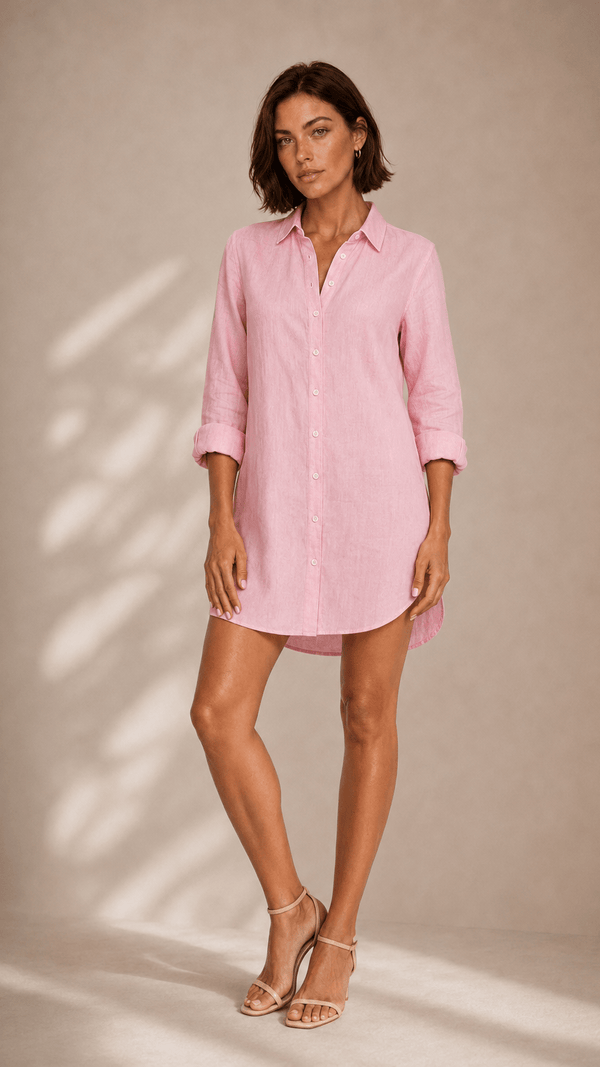
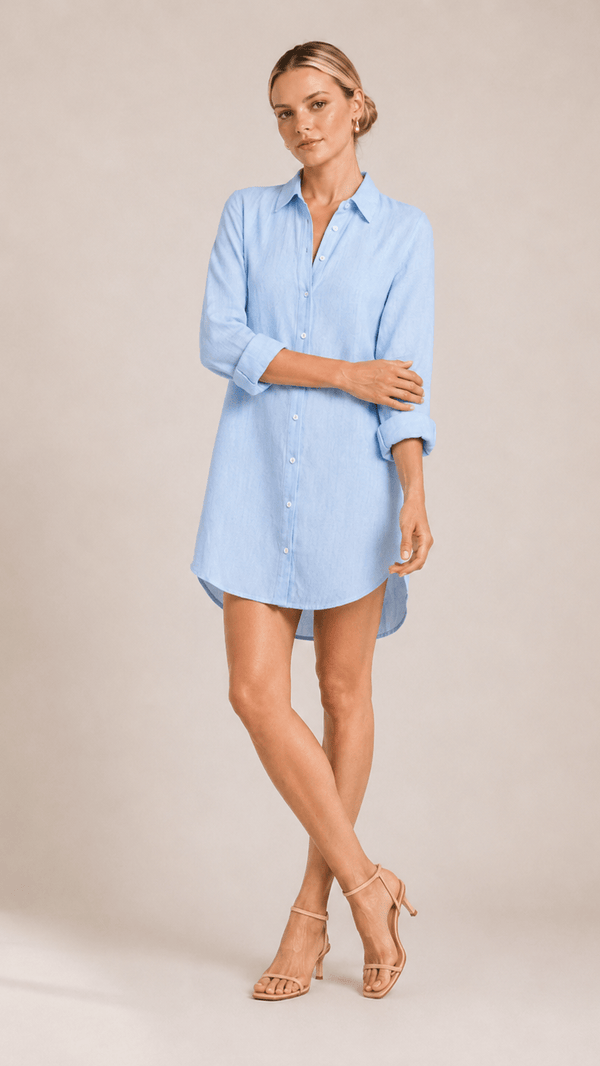
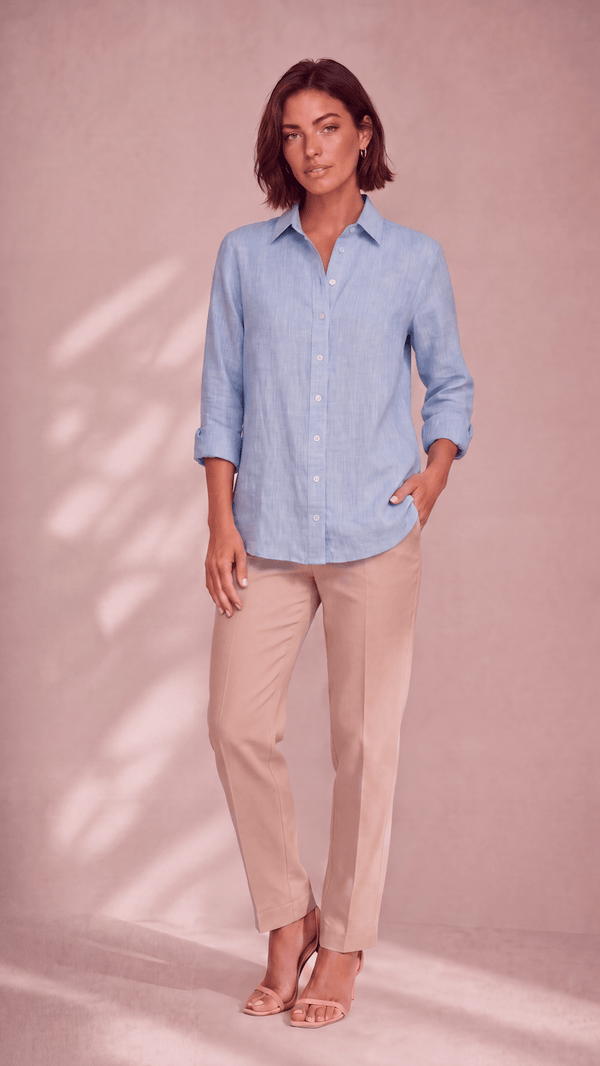
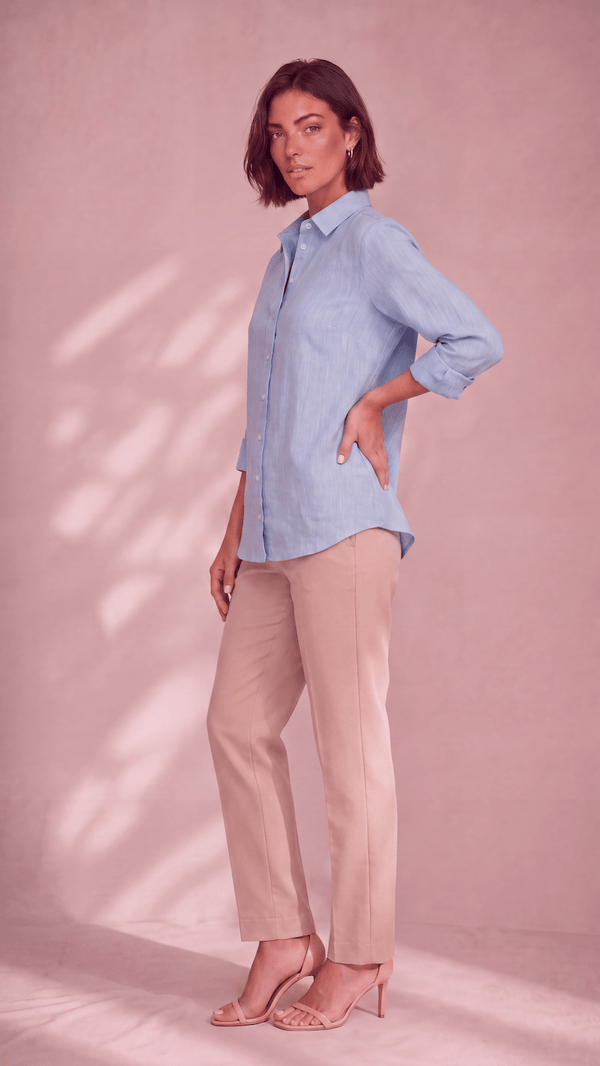
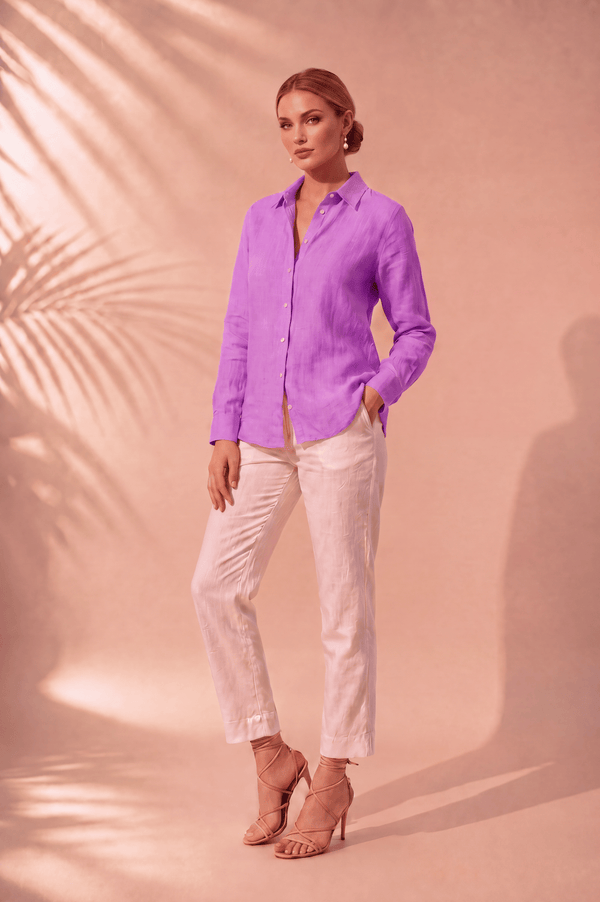
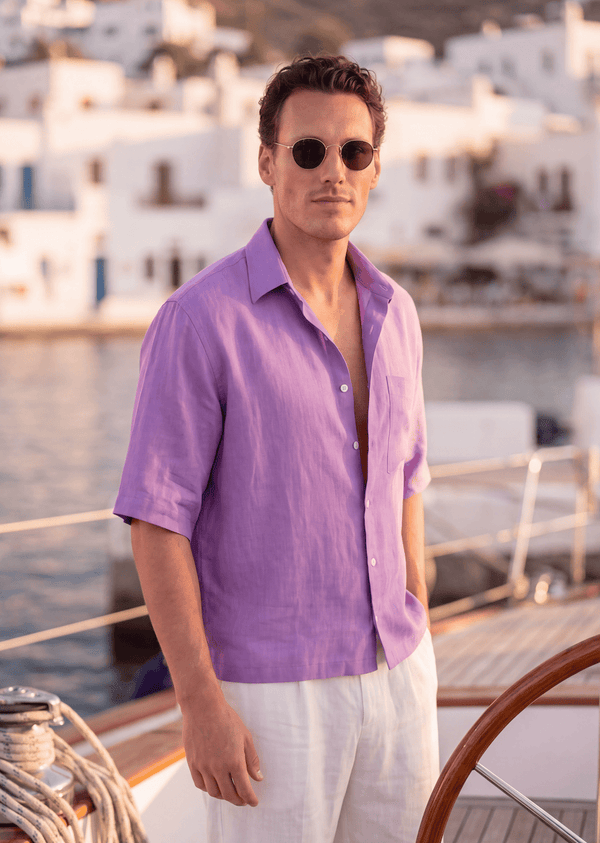
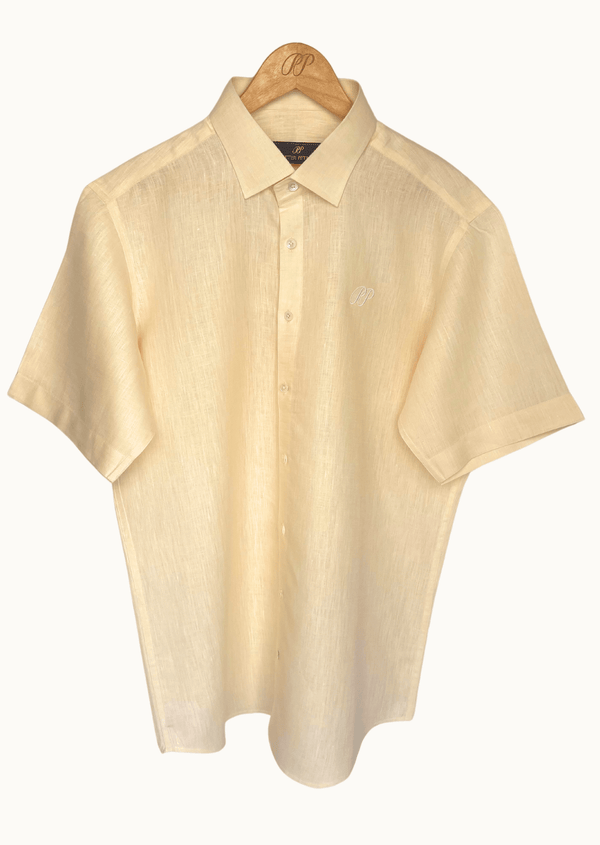
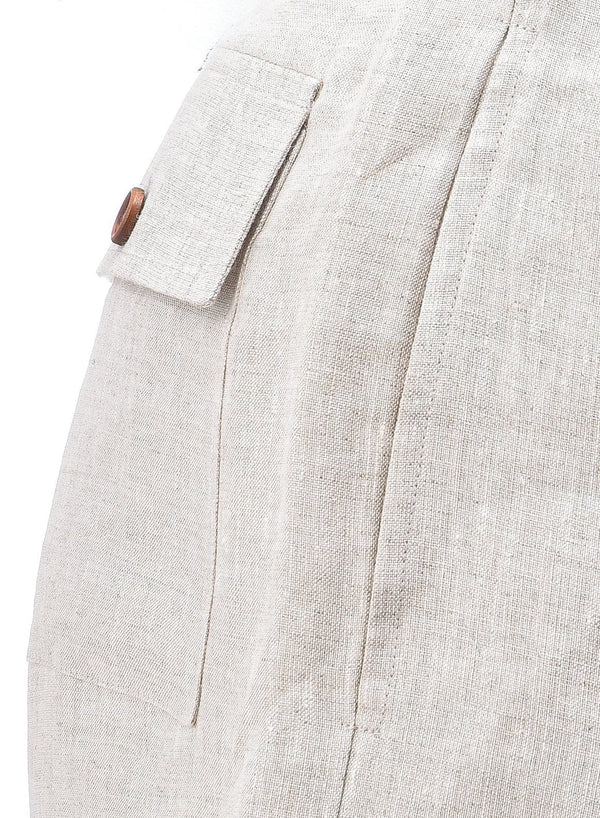
Linen. Plant-based (flax stem). Cellulose fibre. Most breathable natural fabric in sustained heat above 25 degrees. Gets softer with washing. Creases easily — the natural crease is a characteristic, not a defect. Biodegradable fully. The correct choice for the beach, the boat, the resort, and the warm outdoor occasion. Certified Belgian linen — with a protected designation of origin — is the quality standard within the linen category.
“Linen: cellulose, hollow-core, breathable, biodegradable. Cotton: cellulose, solid-core, widely available. Silk: protein filament, formally composed. Wool: protein fibre, insulating, moisture-tolerant. No synthetic is biodegradable.”
— Pieter Petros, founderCotton. Plant-based (cotton boll). Cellulose fibre. More widely available and less expensive than certified linen. Breathable but less so than linen above 28 degrees; absorbs moisture but holds it longer than linen. Softer at purchase than linen but does not improve as dramatically over time. The correct everyday natural fabric — appropriate across a wider temperature range than linen, less specifically resort-focused.
Silk. Animal-based (silkworm cocoon). Protein filament. The most formally composed natural fabric — smooth, fluid drape, surface sheen. Less breathable than linen in direct heat; more appropriate for the formally observed evening occasion than for outdoor summer wear. Biodegradable. PP uses natural silk for the Monte Carlo Blazer and the Her Gillet.
Wool. Animal-based (fleece). Protein fibre. The insulating natural fabric — traps warmth, maintains insulating character when damp. The correct cold-weather natural fabric and the sauna fabric. PP uses natural wool felt for the PP natural wool sauna hat. The PP Dream Blazer uses natural mesh wool for a breathable formal occasion layer.
The synthetic alternative. No synthetic fabric is biodegradable in the way that these four natural fibres are. Polyester, nylon, and synthetic blends shed microplastics with every wash and do not decompose in landfill. The natural fabric choice is the one that leaves no synthetic trace.
What Is Belgian Linen · Linen vs Bamboo Fabric · Men's Linen Collection