Linen vs Cotton Shirt — What the Difference Actually Feels Like
Linen vs Cotton Shirt — What the Difference Actually Feels Like
What the difference between a linen shirt and a cotton shirt actually feels like — fibre, breathability, durability, wrinkling, and when each is the right choice.
The comparison between a linen shirt and a cotton shirt is one that most people settle through direct experience rather than research. The fabric feel is different enough that a single wearing in warm conditions answers the question for most people. But the specific properties behind that difference are worth understanding.
Fibre origin: both linen and cotton are natural plant fibres. Cotton comes from the seed pod of the cotton plant; linen comes from the stem of the flax plant. The manufacturing process and the resulting fibre properties are distinct despite both being cellulosic natural fibres.
“The natural texture of linen — including the wrinkle — is part of its character. A linen shirt that has been worn through a day is not damaged; it is breaking in.”
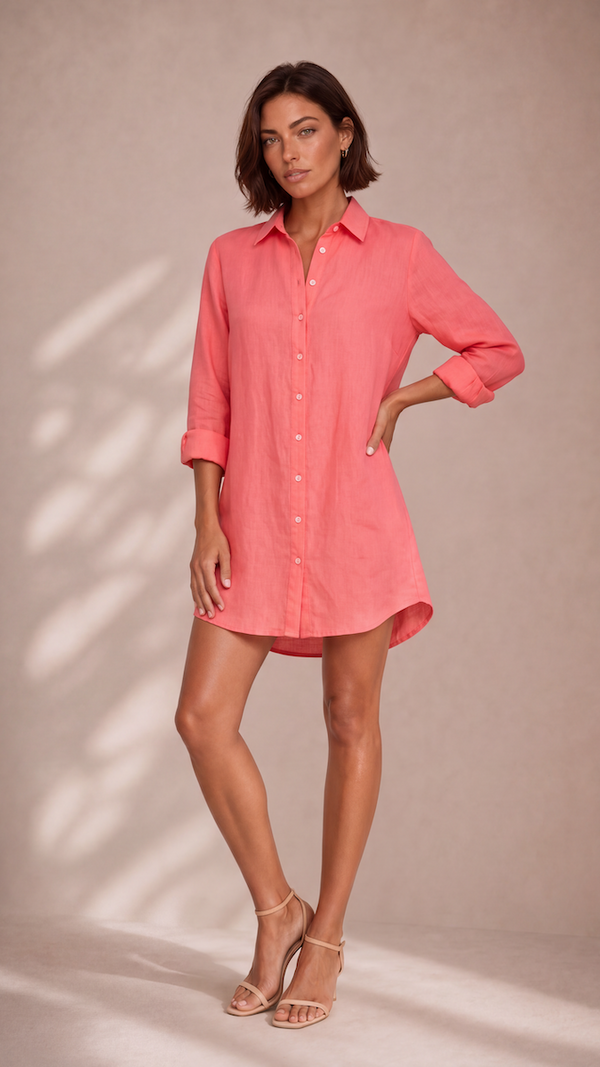
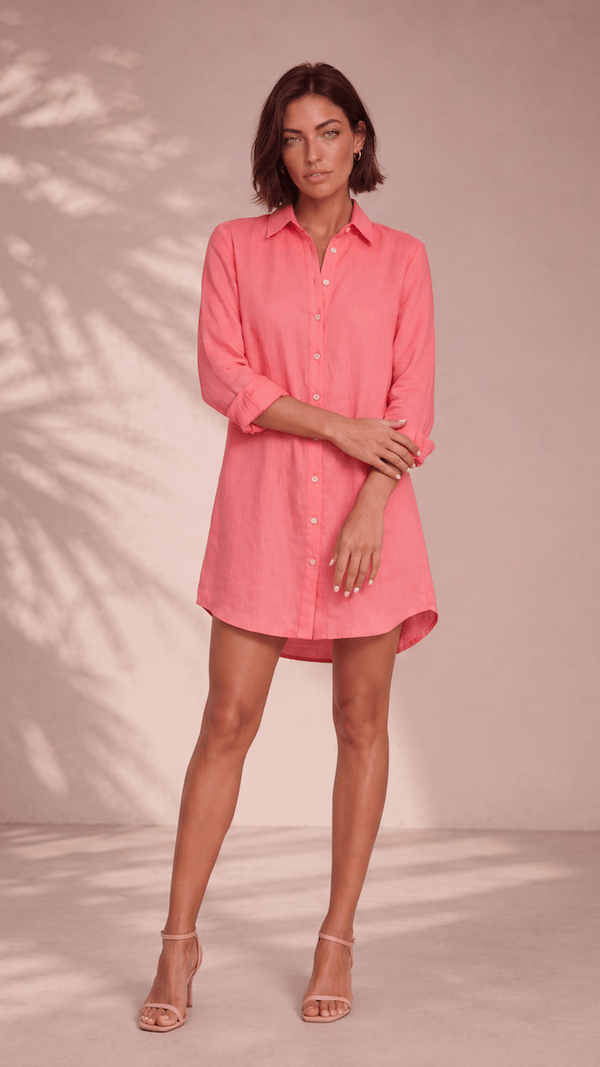
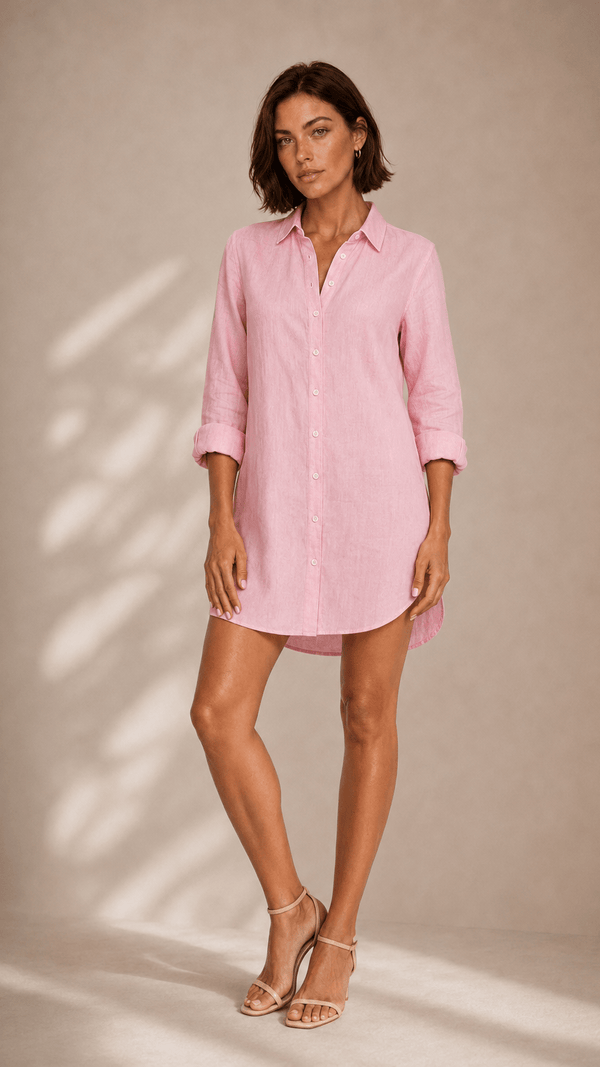
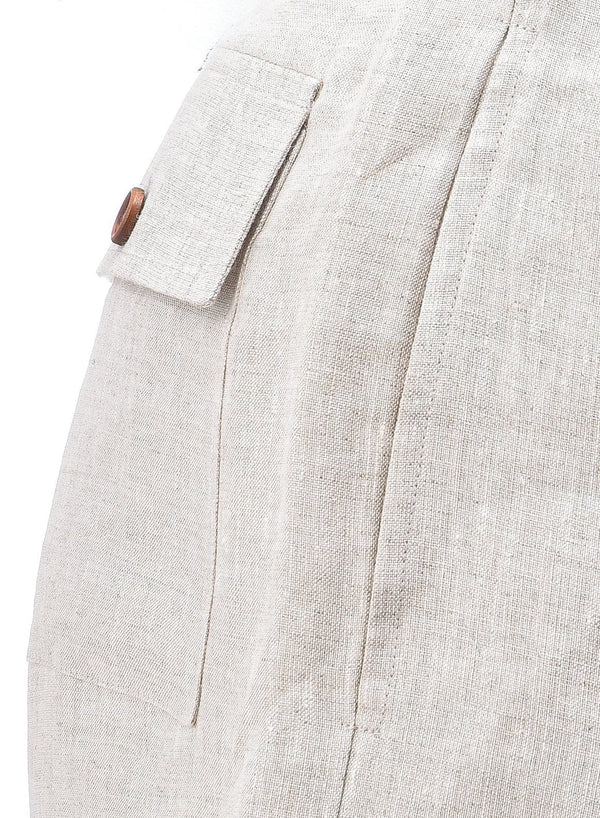
— Pieter Petros, founderFeel: a quality cotton shirt has a soft, smooth surface from the first wearing. A quality linen shirt has a slightly more textured surface when new, which softens progressively with washing until — in a long-staple Belgian linen shirt after a season of regular wear — it reaches a softness that is comparable to, and by many people's preference superior to, the best cotton. Cotton does not improve with washing in the same way.
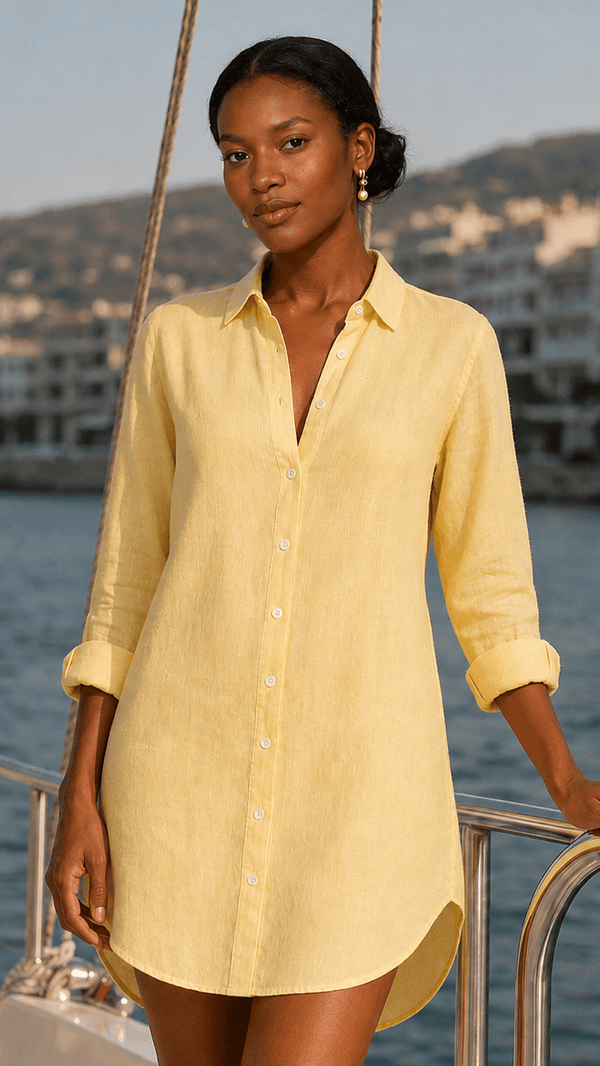
Breathability: in moderate temperatures, the difference between linen and cotton is not dramatic. In sustained heat — above 30 degrees Celsius, in the Gulf, in the Mediterranean in summer — linen is generally considered more breathable than cotton. The structure of flax fibres promotes airflow in conditions where cotton begins to retain moisture rather than releasing it. Many wearers find that cotton becomes less comfortable than linen during prolonged exposure to extreme heat; a linen shirt tends to manage the same conditions more consistently across a full day.
Durability: flax fibre is among the strongest natural fibres. A quality linen shirt, cared for correctly, typically outlasts an equivalent cotton shirt by a significant margin. The tensile strength of the flax fibre means seams hold longer and the fabric maintains its structural integrity under repeated washing.
Wrinkling: cotton wrinkles less than linen. This is the most common reason people choose cotton over linen, and it is a genuine difference. Linen's natural tendency to crease is a property of the fibre and cannot be designed out without compromising the fabric's other qualities. The natural texture of linen — including the wrinkle — is part of its character. A linen shirt that has been worn through a day is not damaged; it is breaking in.
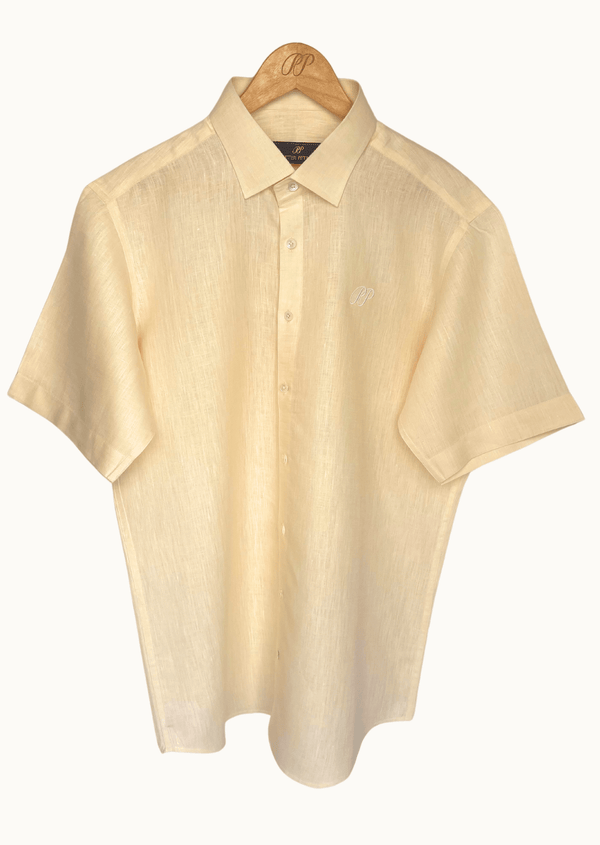
The choice: for warm-weather dressing, for resort contexts, for sustained heat — linen. For year-round versatility, for formal contexts where pressed appearance is maintained throughout the day — cotton. Many wardrobes contain both. A PP Belgian linen shirt and a quality cotton shirt serve different purposes and are not in competition.
Is Linen Cooler Than Cotton · Linen Fabric Properties · Men's Linen Collection