High Quality Linen Shirts — What to Look For and Where PP Stands
High Quality Linen Shirts — What to Look For and Where PP Stands
High Quality Linen Shirts — What to Look For and Where PP Stands
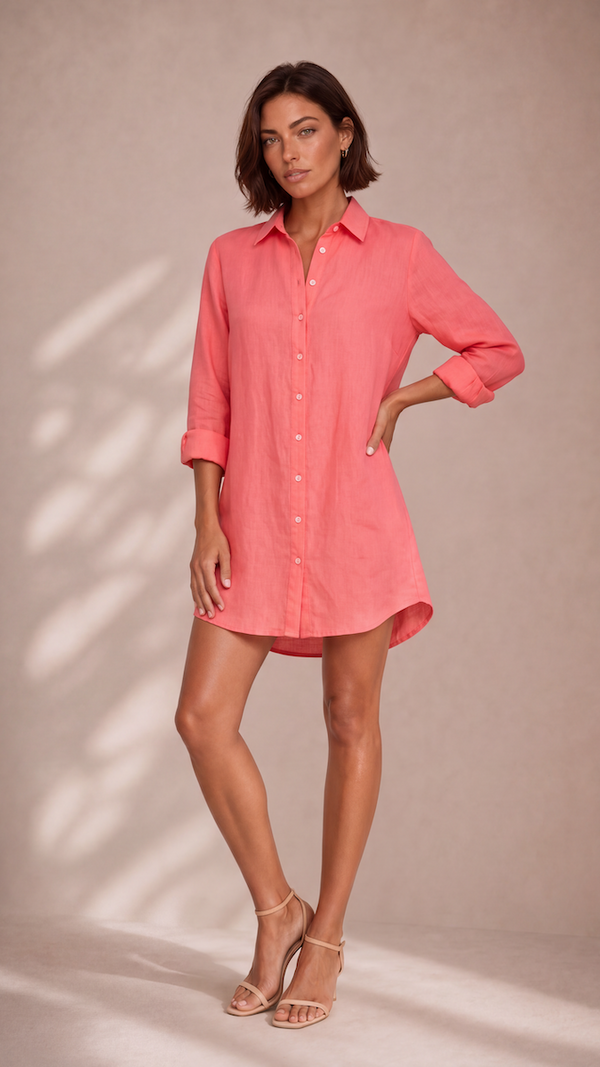
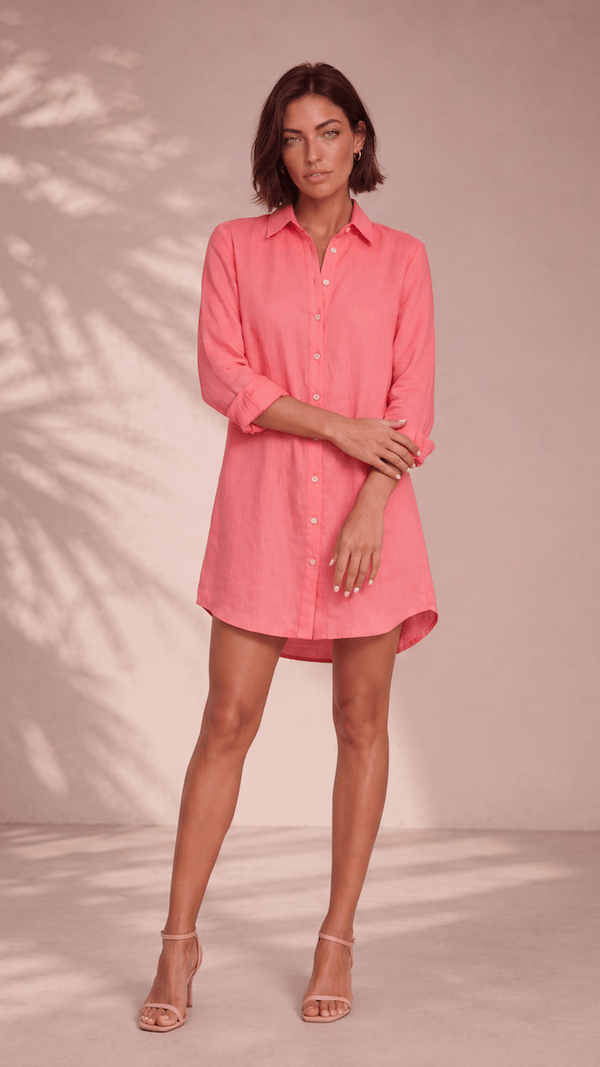
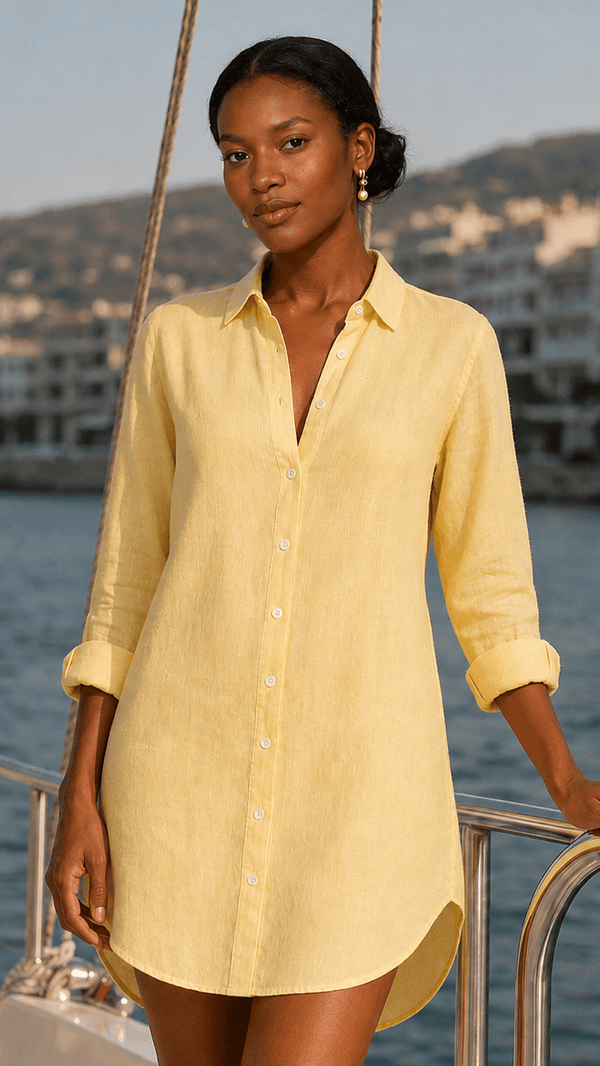
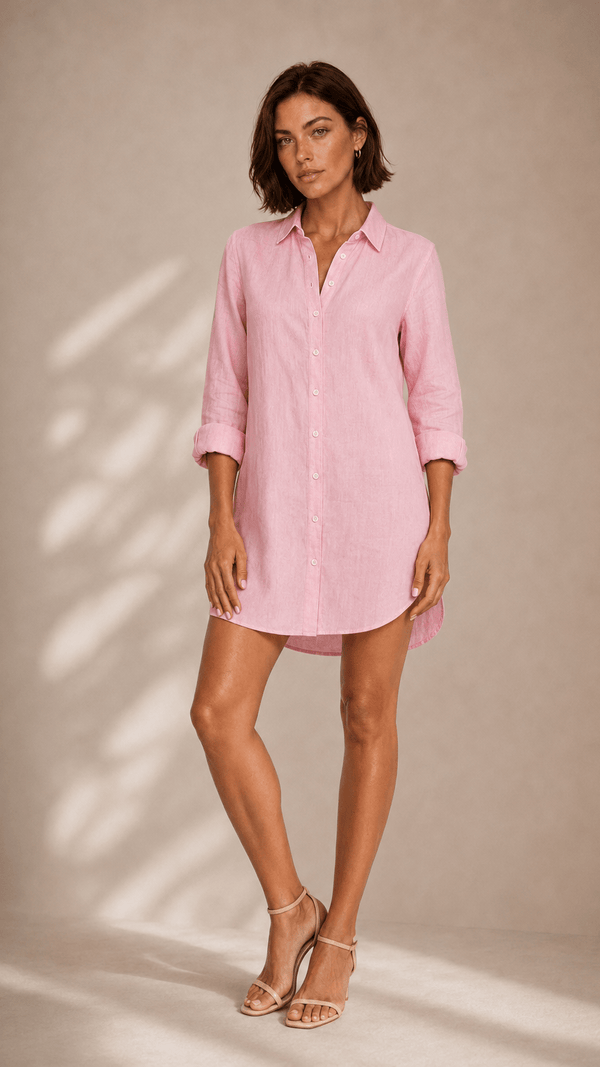
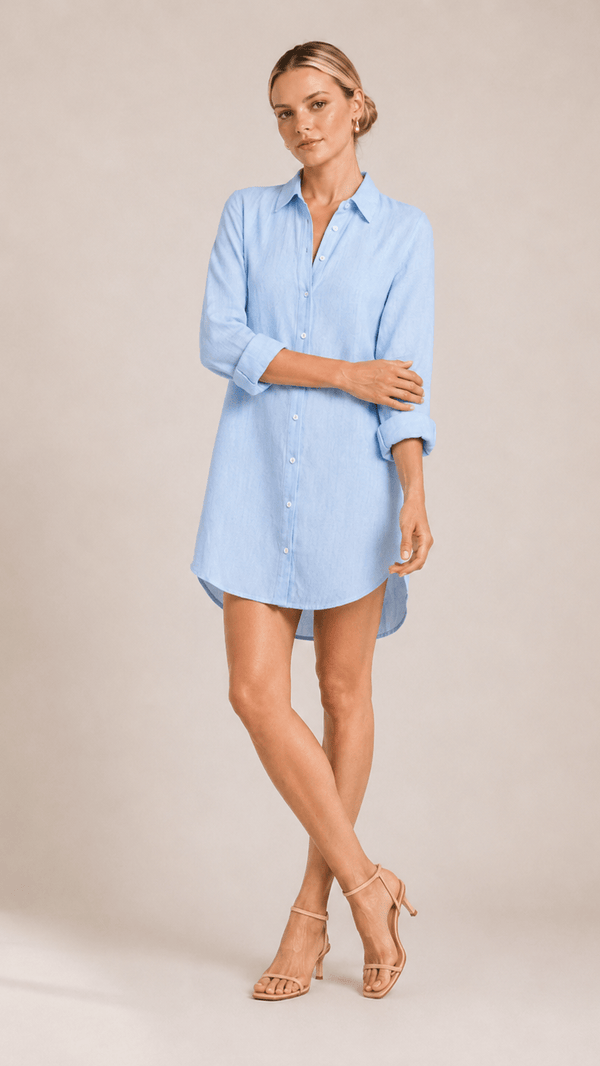
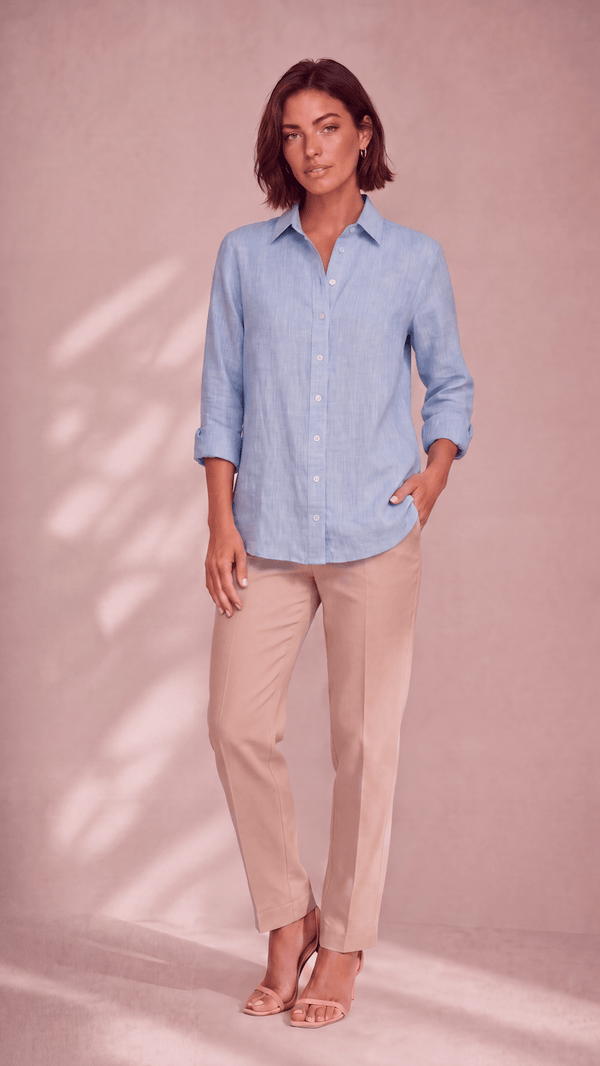
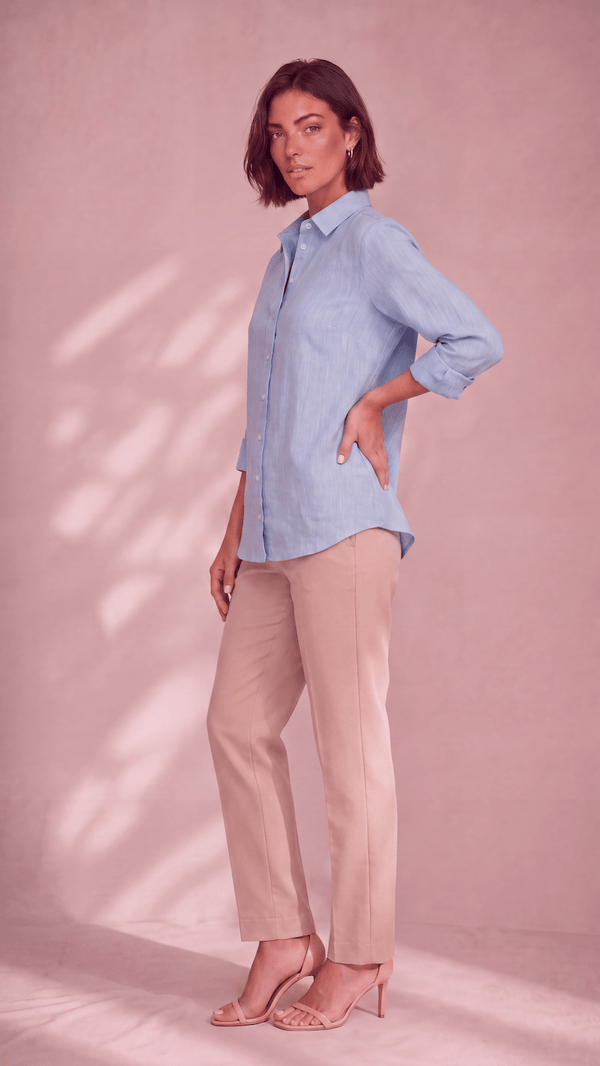
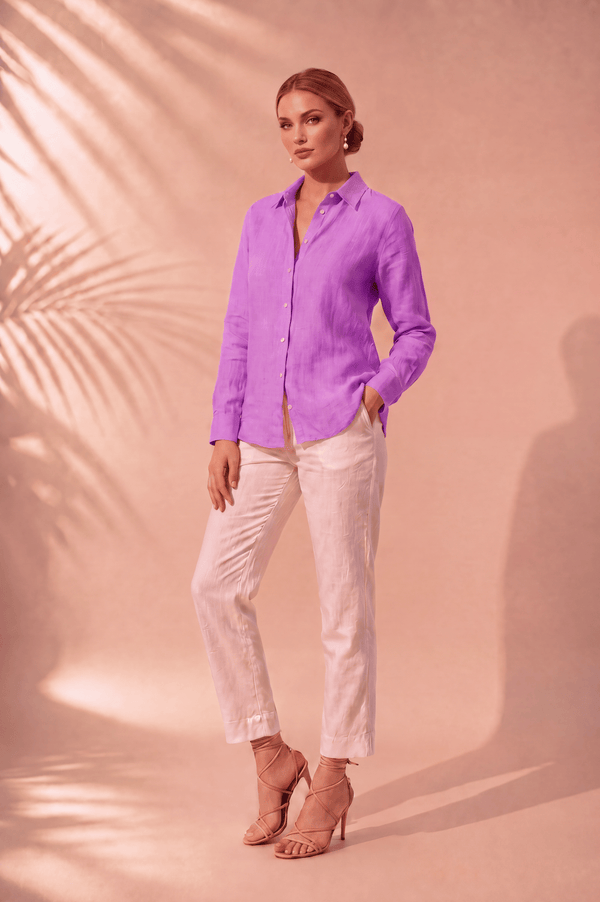
High quality linen shirts are not defined by price. They are defined by the origin of the flax, the certification of the fabric, the construction of the garment, and the quality of the buttons and finishing. A high-priced linen shirt made from uncertified linen in a factory with machine-applied buttons is not a high quality linen shirt. PP's certified Belgian linen shirts are.
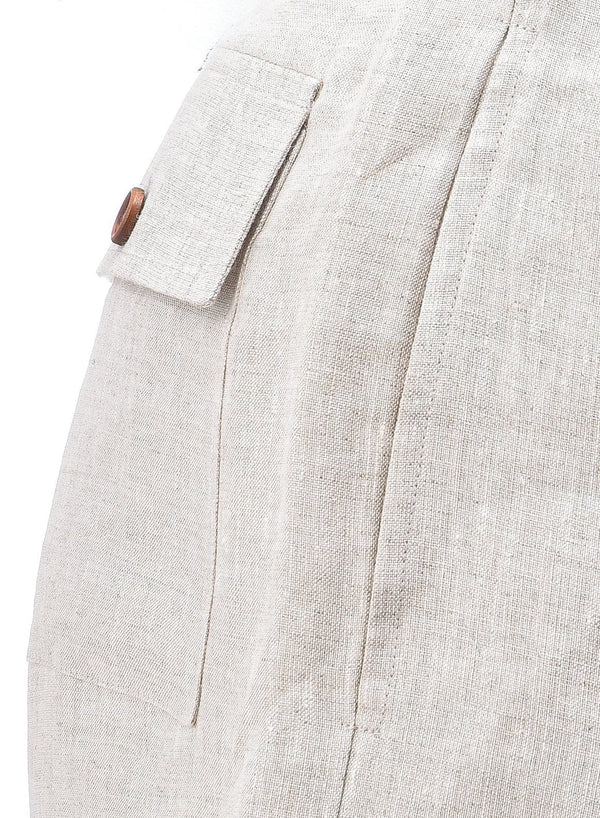
The quality checklist for a linen shirt. Fabric origin: certified Belgian linen carries the Belgian Linen® certification mark and a certificate of origin confirming flax grown and processed in the Belgium–northern France region — the highest verified quality zone for natural linen in the world. Construction: PP shirts are handmade in the PP atelier in Dubai. Buttons: natural seashell from the ocean, walnut for the Monte-Carlo Male and Amelia Oyster, corozo nut for the Spetses Blazer. Finishing: no synthetic thread, no synthetic backing, no factory seaming.
“High quality linen shirts are not defined by price. They are defined by the origin of the flax, the certification of the fabric, the construction, and the quality of the buttons.”
— Pieter Petros, founderThe improving trajectory as quality marker. A high quality linen shirt improves with every correct wash at 30 degrees — softer, more fluid, more characterful over time. A lower quality linen shirt, or a linen blend, degrades. This single difference is the most reliable quality test available to the buyer: wash it correctly at 30 degrees for a year and see whether it improves or deteriorates.