Belgian Linen Fabric — What Makes It Different from All Other Linen
Belgian Linen Fabric — What Makes It Different from All Other Linen
What makes Belgian linen fabric different — the flax plant, the growing corridor, the retting process, and the certification that traces its journey.
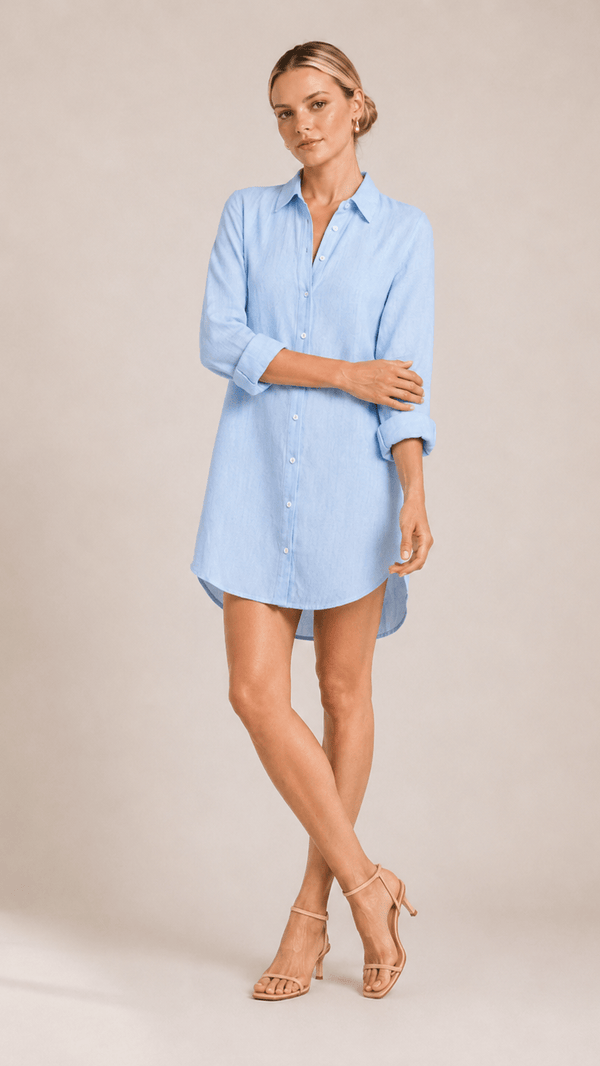
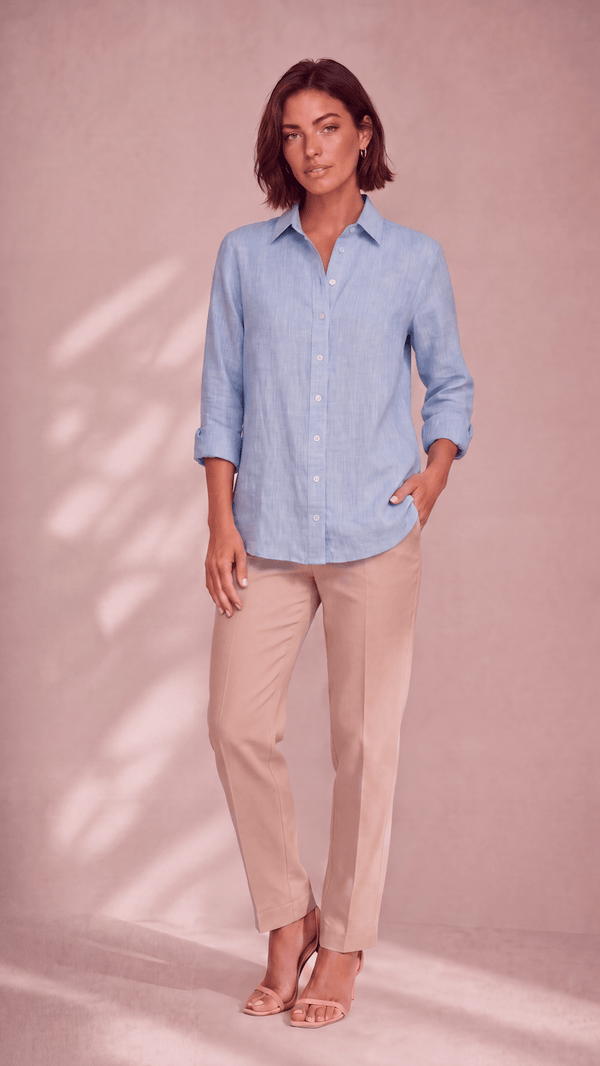
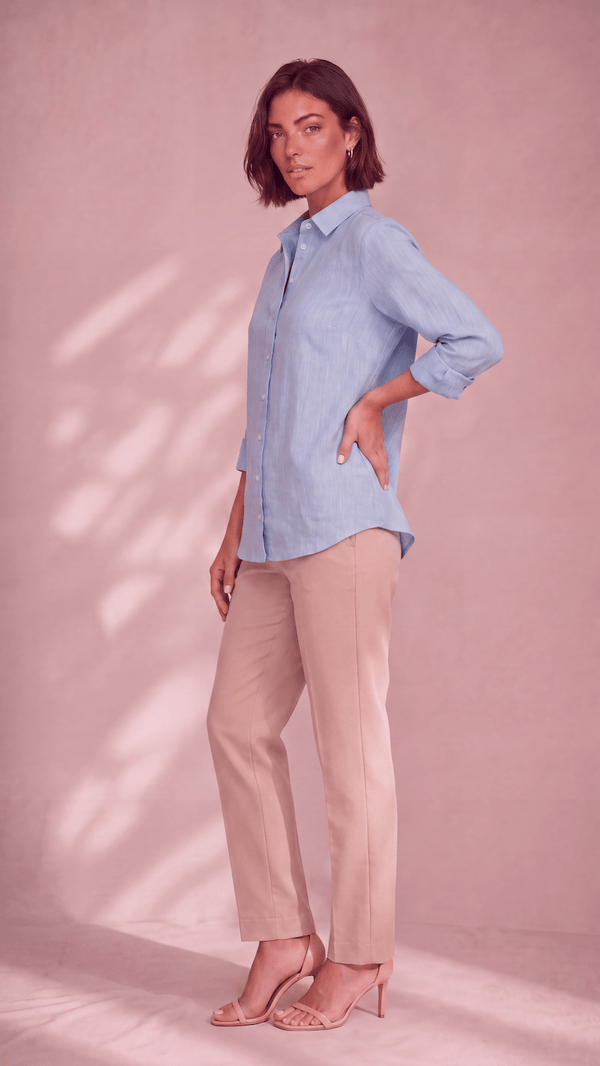
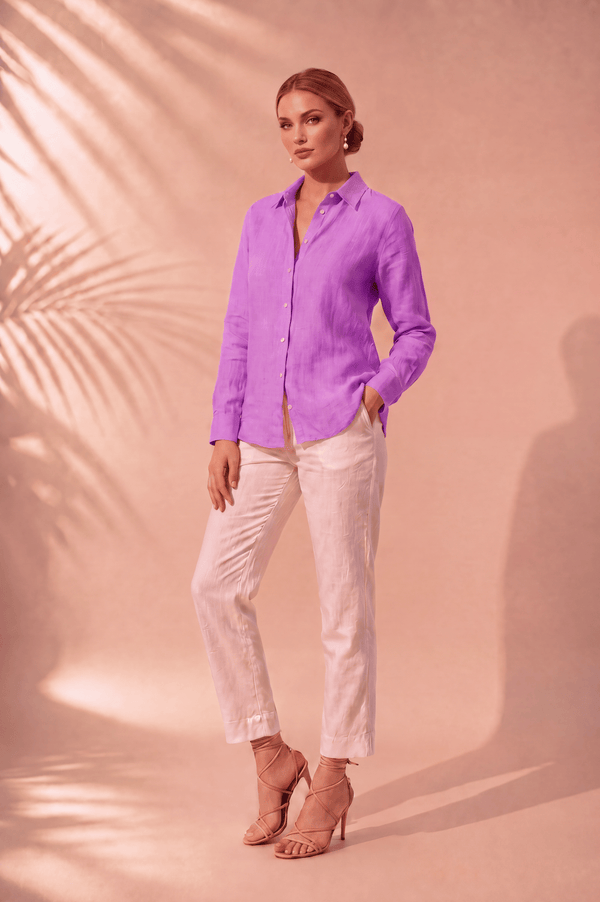
Belgian linen fabric is not simply linen grown in Belgium. It is a specific fibre, from a specific plant, grown in a specific climate corridor, processed to a documented standard, and certified through a traceability system widely regarded as among the most rigorous in natural fabric production. Few other linen-producing regions have developed an equivalent at the same scale. Understanding what distinguishes it from other linen fabric is the fastest route to understanding why it is the fabric PP builds its entire collection around.
The flax plant and the growing region. The flax variety grown in northern Belgium and the very north of France produces a longer staple fibre than the flax grown in most other linen-producing countries. Staple length matters in natural fibre because the longer the individual fibre, the finer and more consistent the yarn spun from it, and the finer and more consistent the yarn, the finer and more even the resulting fabric. Belgian flax's long-staple fibre is the foundation of everything that distinguishes certified Belgian linen from alternatives.
“Belgian linen fabric begins in a specific field, under specific conditions, processed to a documented standard. The certificate that accompanies every PP piece is the confirmation that the journey is traceable.”
— Pieter Petros, founderThe climate and soil conditions. The cool, humid maritime climate of the Belgian and northern French flax-growing corridor — the specific combination of rainfall, temperature variation, and soil mineral composition — produces flax with a fibre quality that is difficult to replicate in warmer or drier growing conditions. These are the conditions that have made this specific region the reference for linen quality for centuries.
The retting process. Belgian linen is traditionally dew-retted — the cut flax stalks are spread on the fields and the natural action of moisture, dew, and microbial activity in the soil separates the fibre from the stem over several weeks. This slower natural process produces a finer, lighter-coloured fibre than water retting, which is the faster alternative used in other producing regions. The dew-retting process is one of the reasons the Belgian linen surface is distinctively smooth.
The certification. The MASTERS OF LINEN certification traces Belgian linen from field through production — a traceability system that documents the origin and production standard of the finished fabric. PP's use of certified Belgian linen means every piece in the collection is backed by this documentation, which is confirmed by the certificate of origin that accompanies every garment.
Why Belgian Linen Is the World's Finest · What Is Belgian Linen · Men's Linen Collection