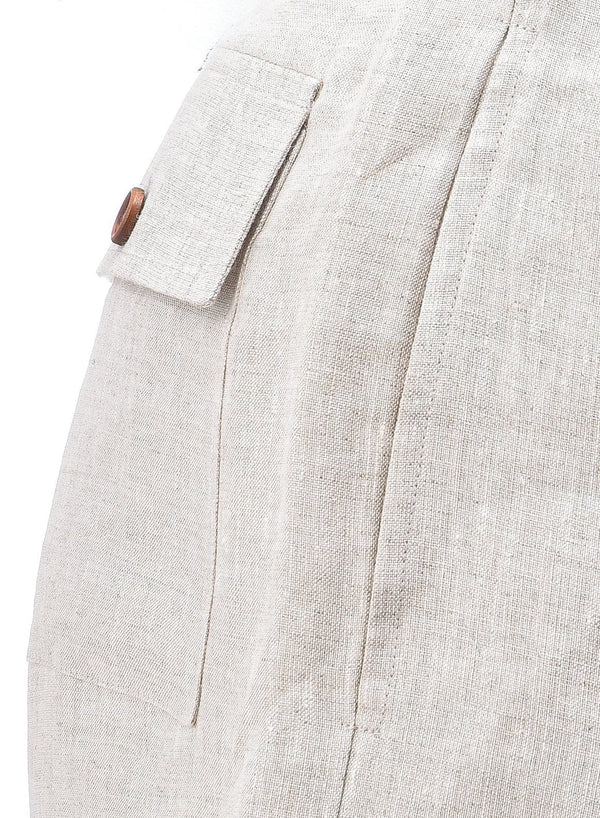
Can You Wear Linen in Winter? — The Case for Year-Round Linen
Can You Wear Linen in Winter? — The Case for Year-Round Linen
Yes, linen works in winter — the case for year-round linen, from the Gulf to the Alps.
The assumption that linen is a summer fabric is widespread and mostly wrong. It is based on how most people first encounter linen — as resort wear, as warm-weather clothing — rather than on what the fabric actually does.
Linen is temperature-regulating, not temperature-specific. The hollow flax fibre creates a continuous exchange between the body and the surrounding air — drawing warmth away in heat, retaining a layer of warmth close to the skin in cool air. This is a structural property of the fibre, not a seasonal characteristic. It functions in summer and it functions in cooler temperatures, at different ends of the same mechanism.
“Linen is temperature-regulating, not temperature-specific. The question is never whether linen works in winter. It is which winter.”
— Pieter Petros, founderThe practical answer to "can you wear linen in winter" is: it depends on the winter.
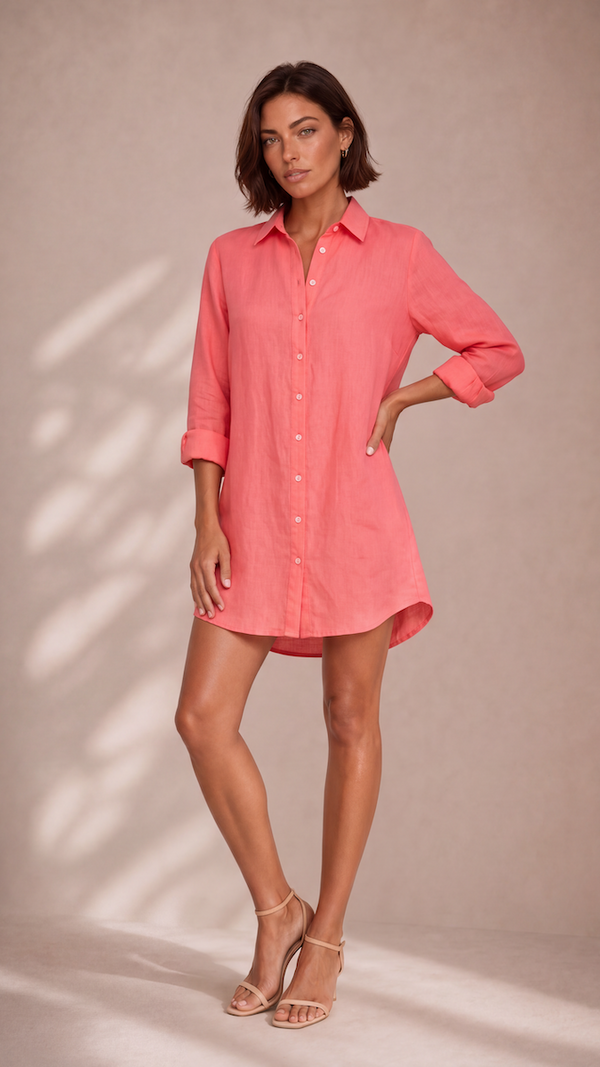
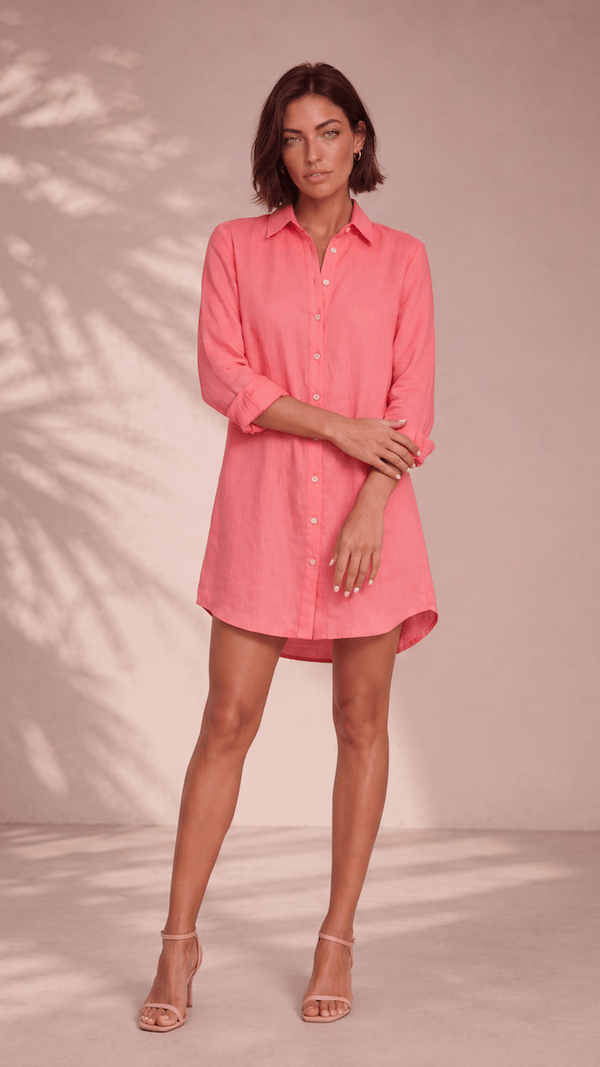
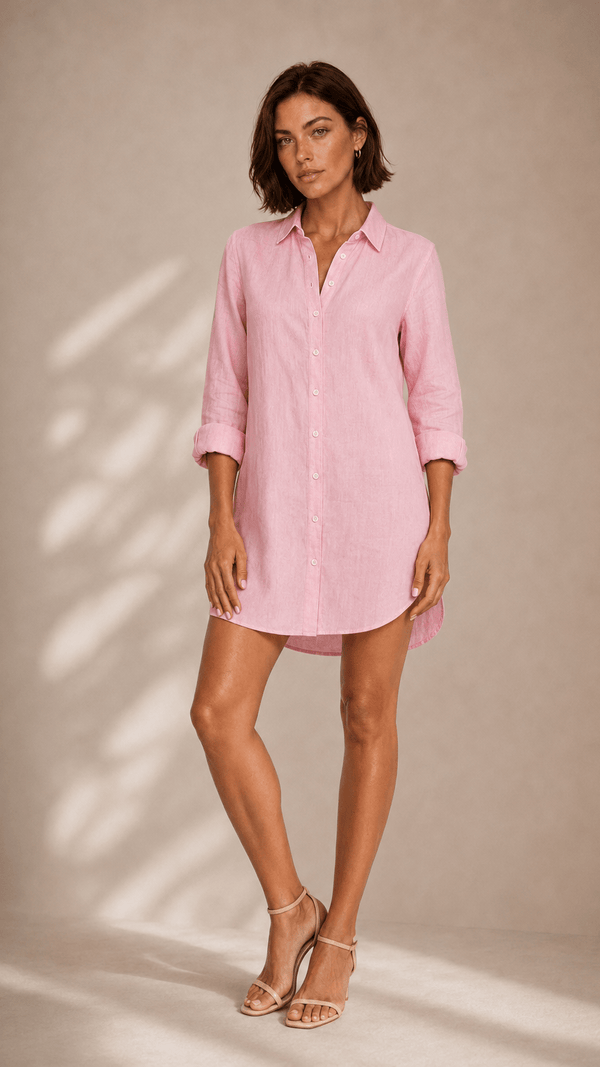
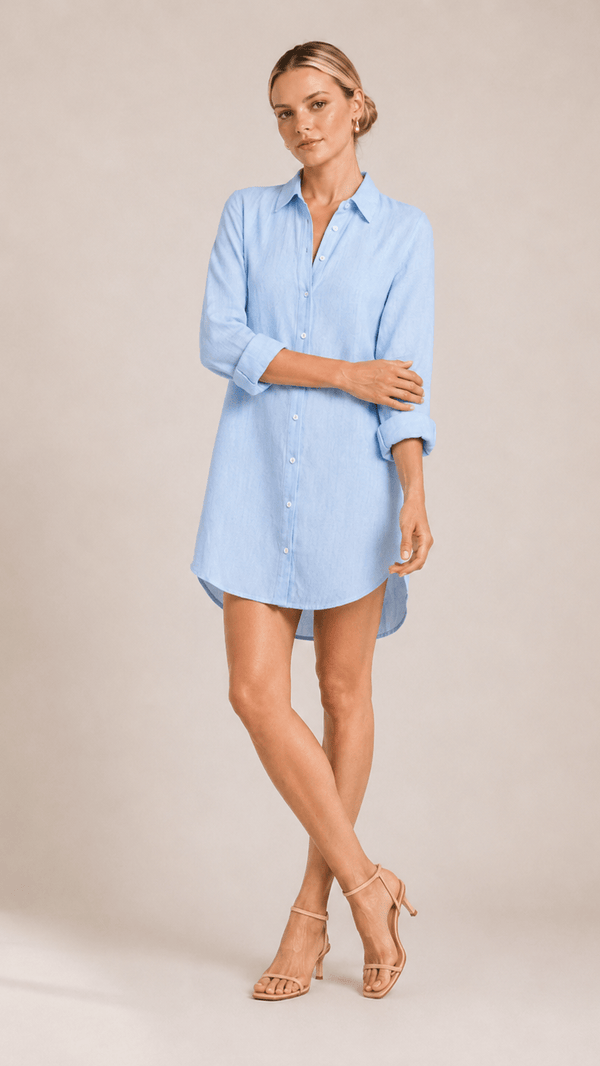
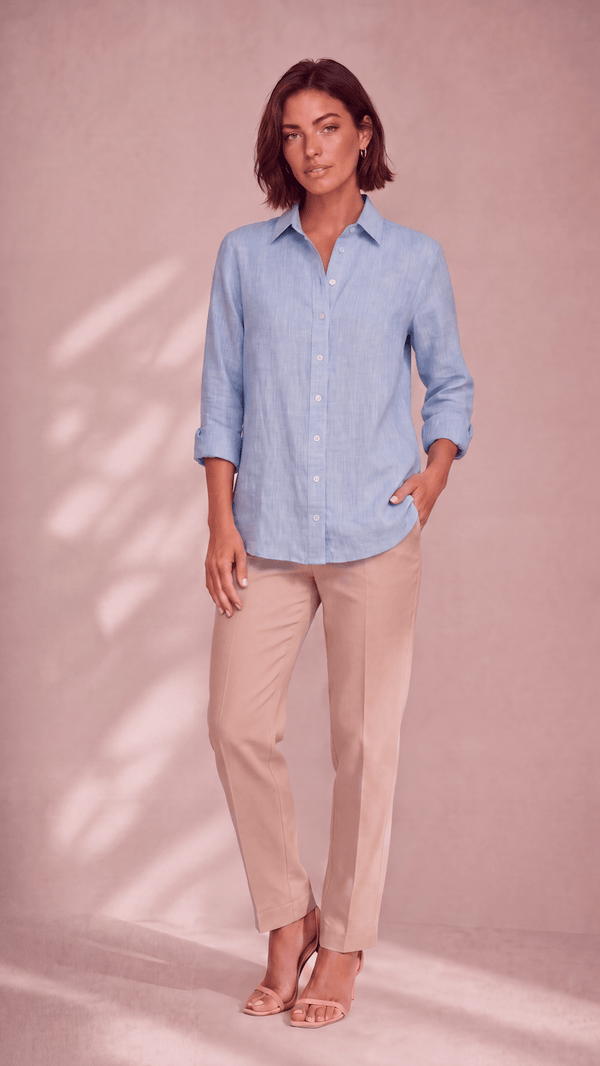
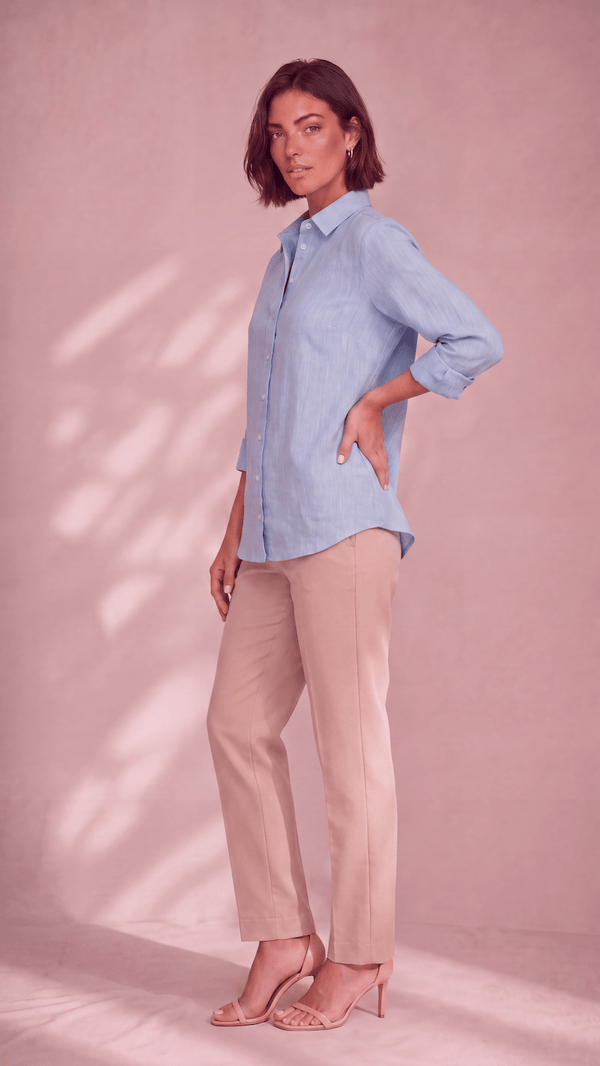
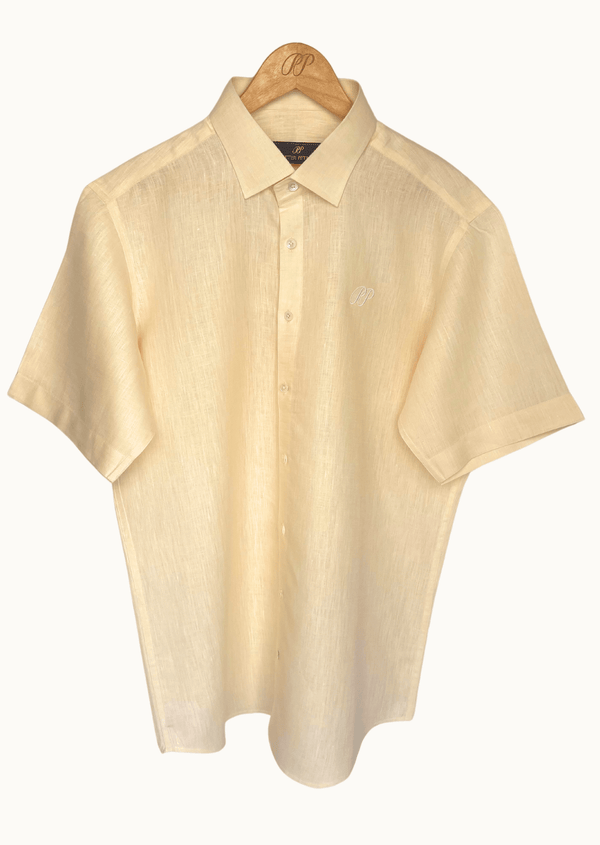
In a Gulf winter — Dubai, Riyadh, Doha between October and February, where temperatures range from 15 to 25 degrees Celsius — linen is not a compromise. It is the correct choice. The same Belgian linen shirt worn in August in Dubai works in December layered over a fine cotton T-shirt. The weight of a heavier-weave linen like the Monte-Carlo Male carries the cooler temperature correctly without requiring a different fabric.
In a European winter — London, Paris, Amsterdam below 10 degrees — linen alone is insufficient. But linen as a layering piece under a natural wool or cashmere outer layer performs well. The breathability of the linen base prevents the overheating that synthetic base layers produce under heavy wool. The combination of natural fibres manages temperature more effectively than a single synthetic layer.
The question is not whether linen works in winter. It is whether the winter in question calls for linen alone or linen as part of a natural layering system.
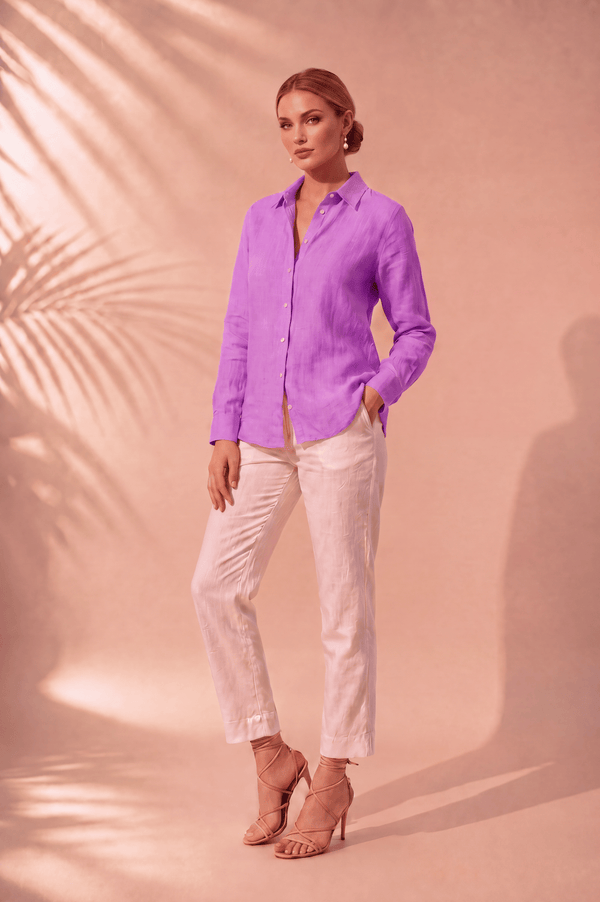
For year-round linen wear: choose a heavier weave for cooler months. Layer with natural fibres rather than synthetics. In mild winters — the Gulf, the Mediterranean coast, Southern Europe — linen remains the primary fabric. In colder climates, it becomes the intelligent base.
Belgian linen does not retire at the end of summer. Neither should the wardrobe built from it.