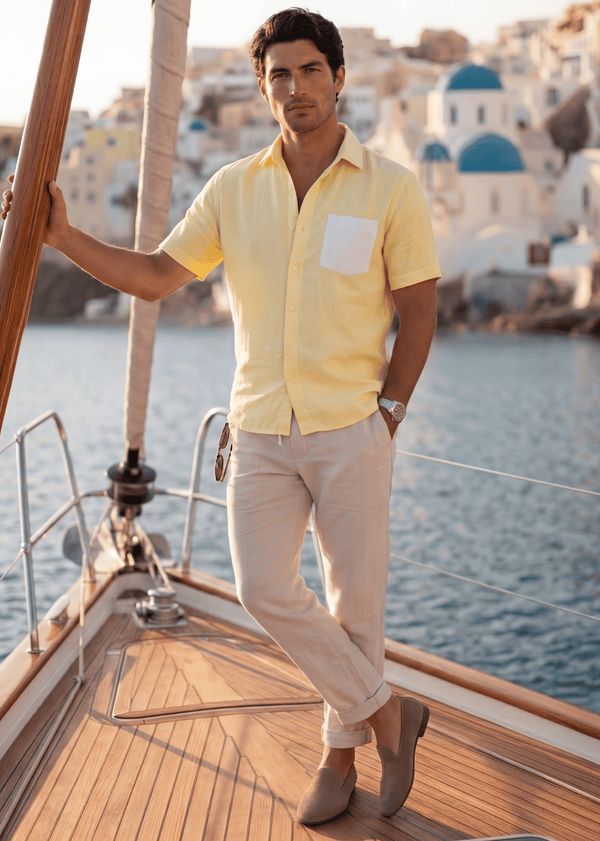
The PP Atelier in Dubai — Where Every Garment Begins
The PP Atelier in Dubai — Where Every Garment Begins
On the construction sequence at the PP Dubai atelier — and what hand work produces that automation does not.
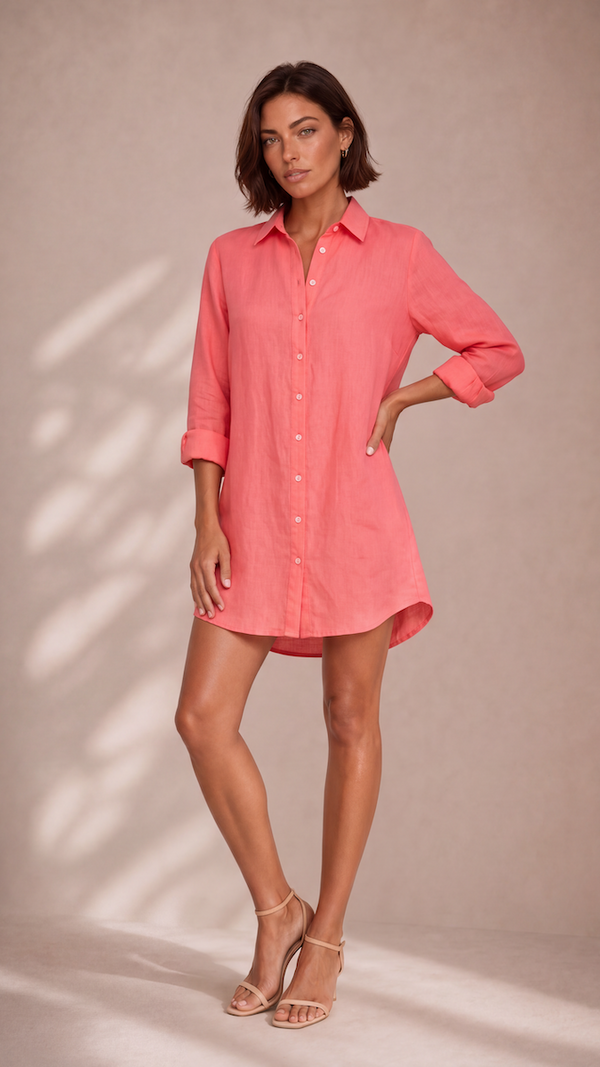
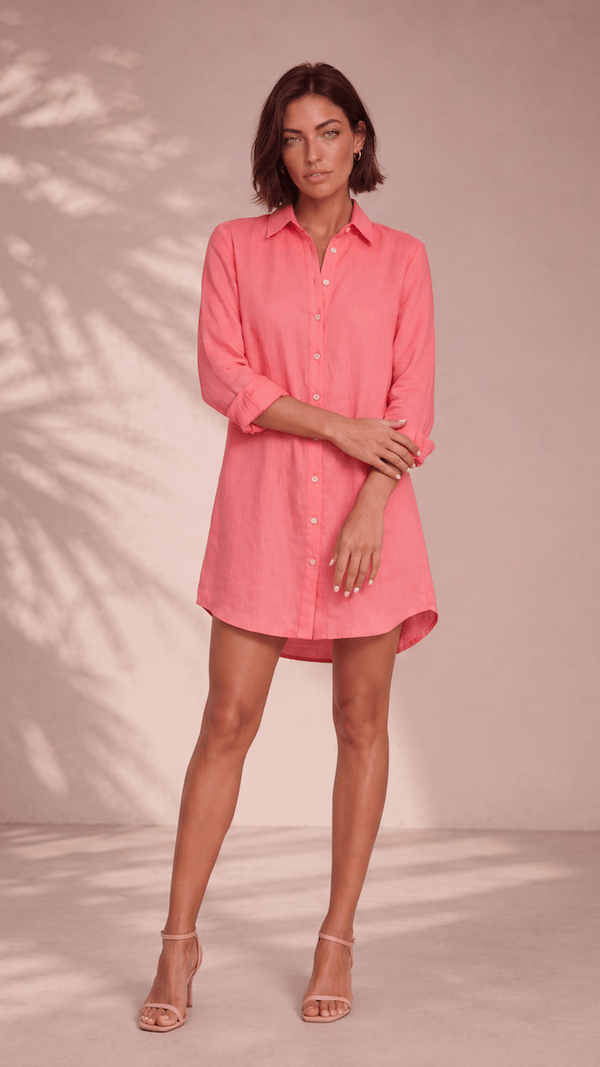
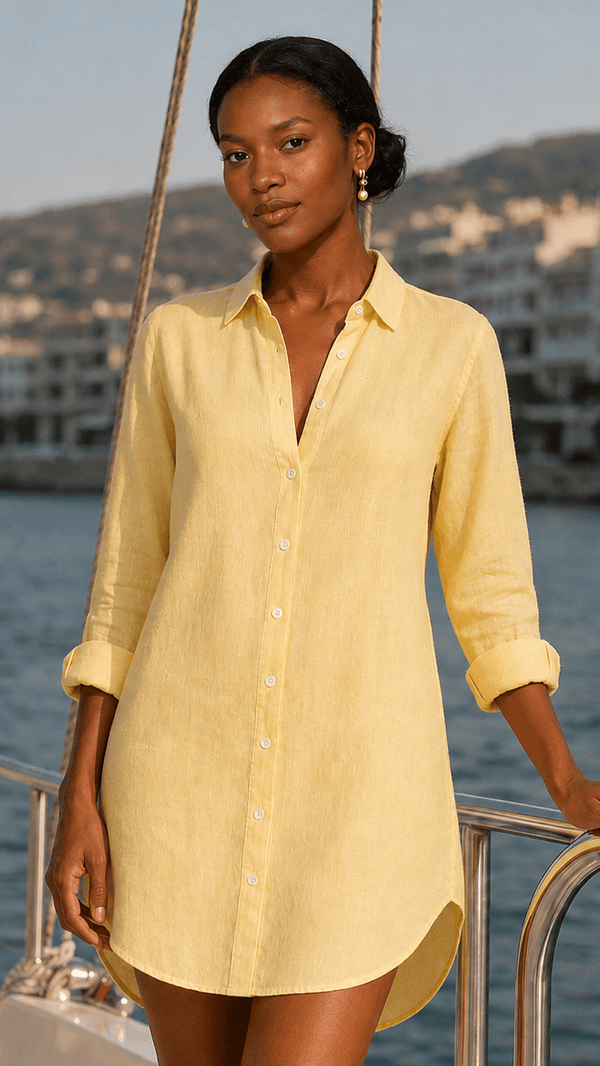
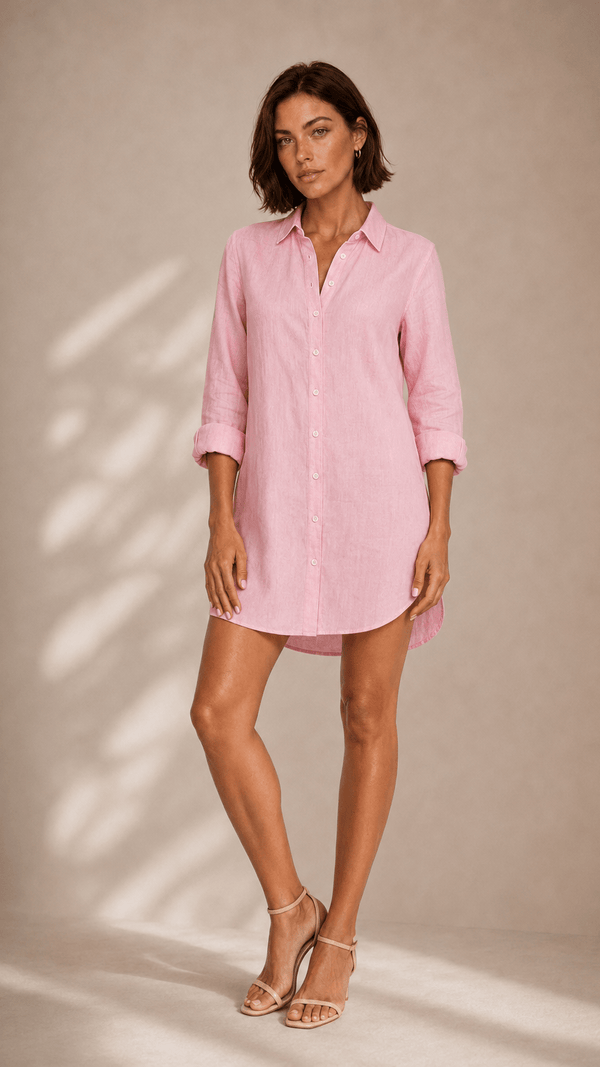
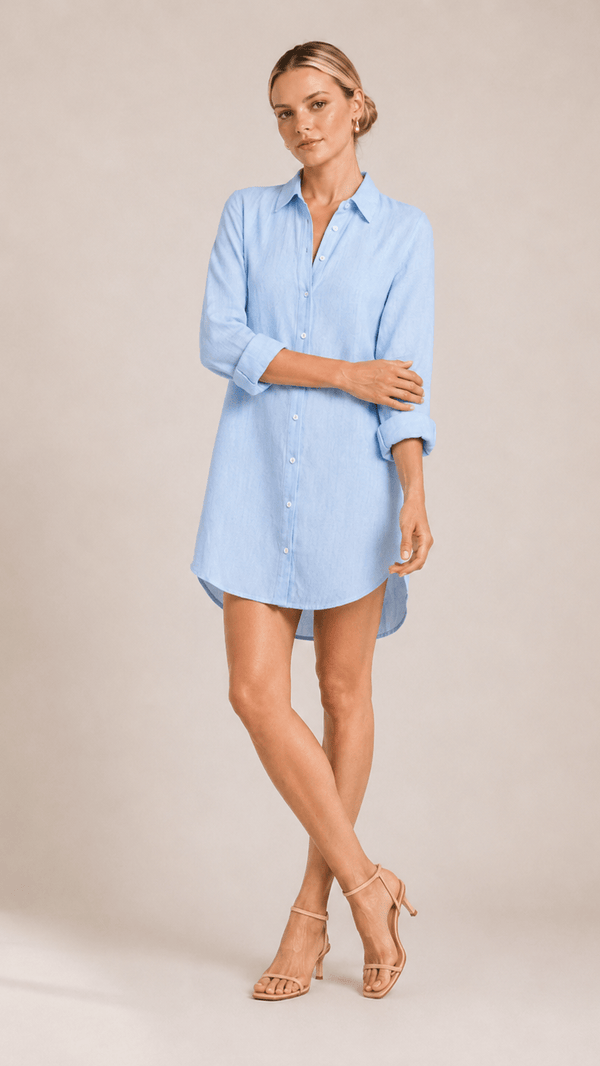
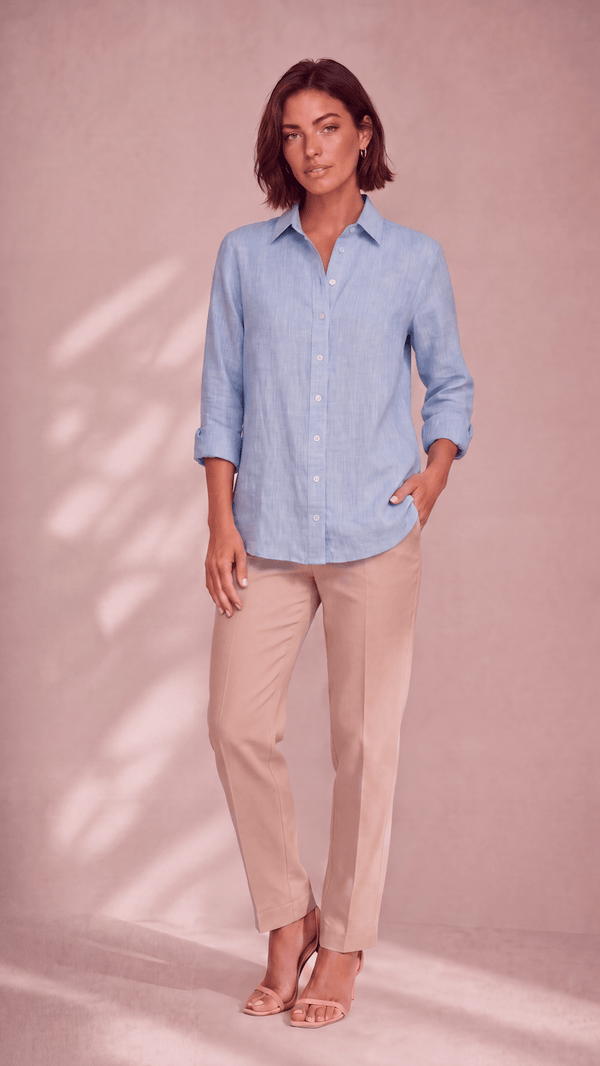
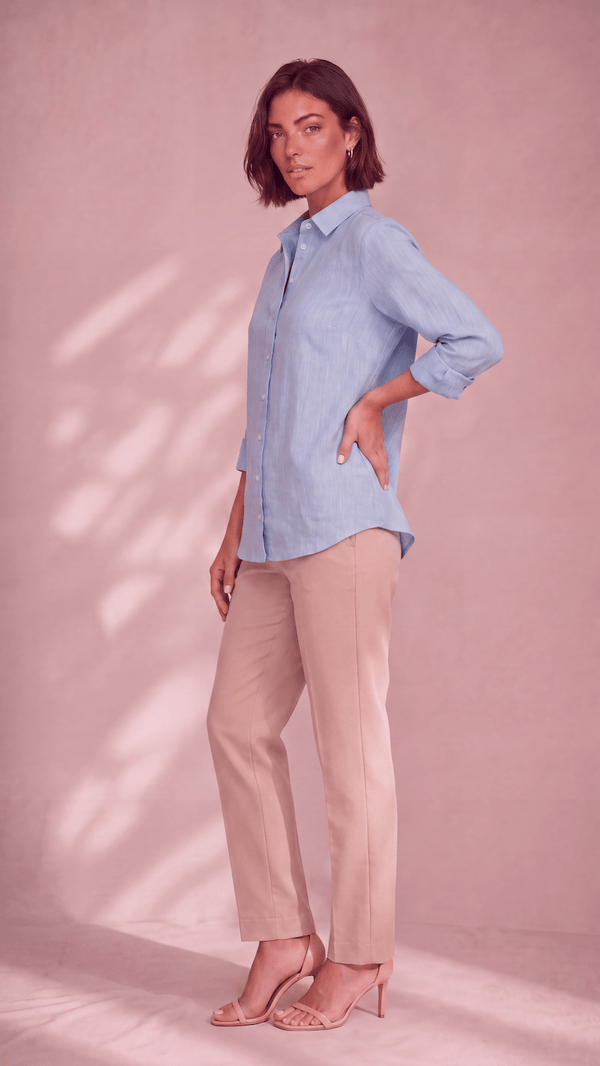
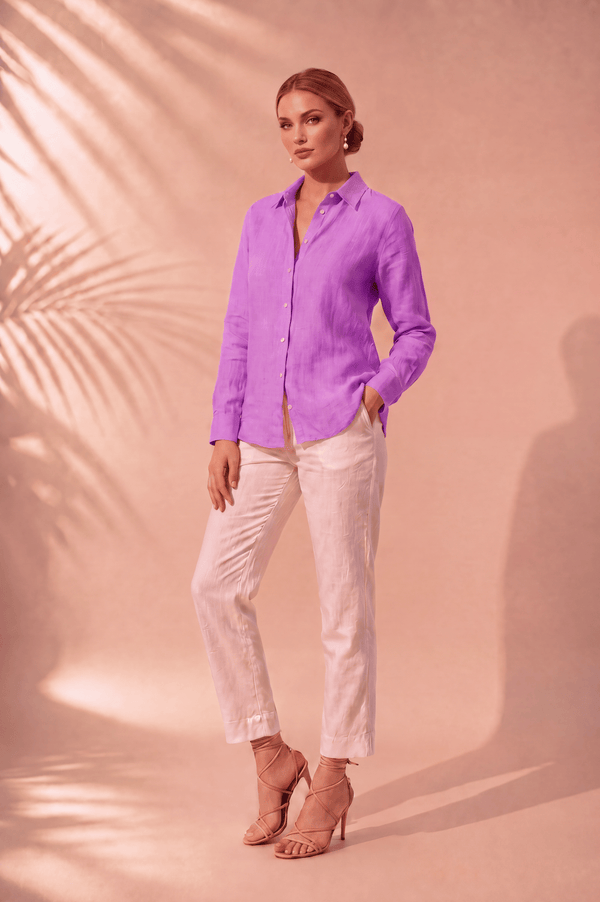
There is a building in Dubai where every PP garment is made. Not designed in one place and produced in another — made. The Belgian linen arrives as cloth. What leaves is a finished garment, and between those two states there is a sequence of hand work that no automated process replicates.
The cloth is cut by hand to the PP pattern. Stitched by hand on the seams and placket. Walnut buttons, one by one. Seashell buttons from the ocean floor, individually. Corozo nut from the palm. The collar shaped. The hem finished. The certificate of origin included with the piece.
“Every garment begins as cloth and ends as something made by hand. The sequence takes longer. The result holds differently.”
— Pieter Petros, founderThis takes longer. It also produces something different — in how the seams sit, how the collar falls, how the piece holds its shape across repeated wear. Not abstract qualities. The direct consequence of how the work was done. The full story of what handmade actually means is in what it means when a shirt is truly handmade.
People who wear handmade garments regularly describe a moment of recognition — when the shirt settles into its first full day of wear and something becomes clear. The collar. The drape from the shoulder. The way the fabric moves. It is difficult to articulate without having felt it.
PP bespoke begins at the same atelier. One consultation. One pattern. One garment for one person. The process is the same — the same hands, the same materials — applied to a single piece that will not exist anywhere else. The bespoke guide covers the full process.
The atelier is not a story. It is where the work happens.
The PP atelier is the origin point of every piece in the men’s and women’s collections.