Natural Fabric Benefits — What the Skin Gains Over Time
Natural Fabric Benefits — What the Skin Gains Over Time
On the accumulating advantages of natural fibre — in breathability, friction, and the microclimate the body lives in all day.
The benefits of natural fabric are not experienced in a single moment. They accumulate — over the course of a day, over a season of wear, over the years a well-made natural garment can last. The body does not announce what it gains from natural fibre. It simply performs better inside it, quietly, continuously, without requiring attention.
This is what makes natural fabric different from other conversations about clothing. It is not about appearance. It is about the ongoing relationship between what is worn and the body wearing it.
The skin is in contact with fabric for the majority of every waking hour. That contact is not neutral. Natural fibres — linen, cotton, wool, hemp — breathe with the skin. They allow moisture and heat to move away from the body rather than holding both against it. The skin stays regulated. The body does not have to work to compensate for what it is wearing.
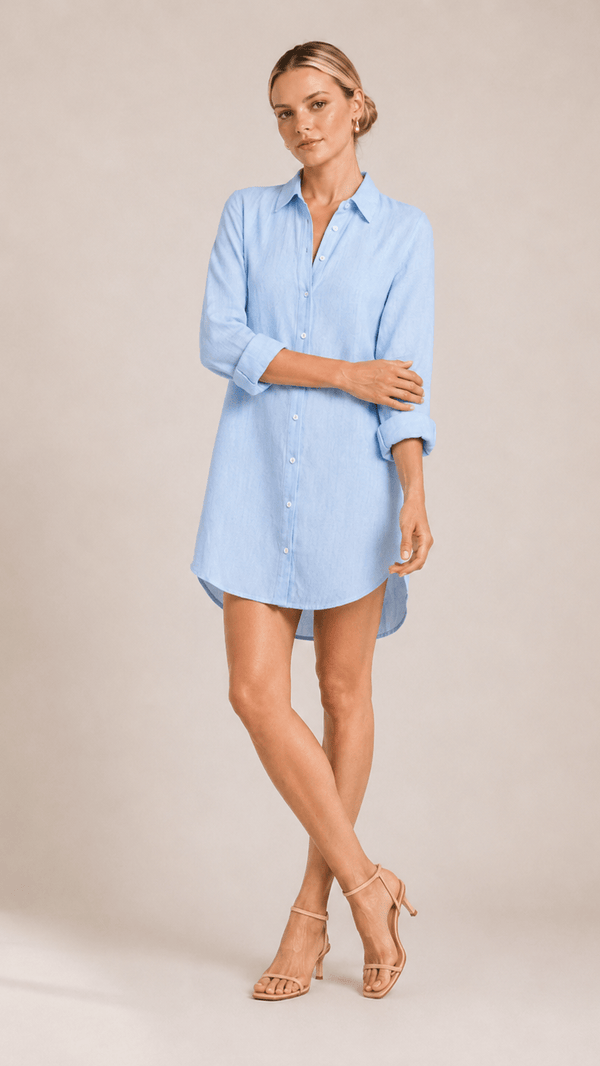
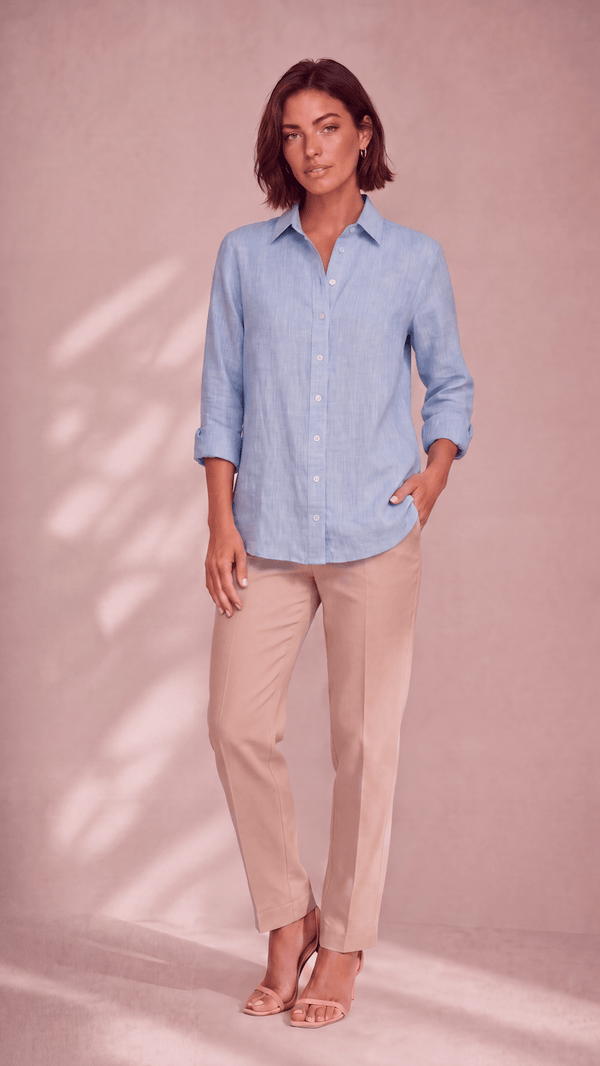
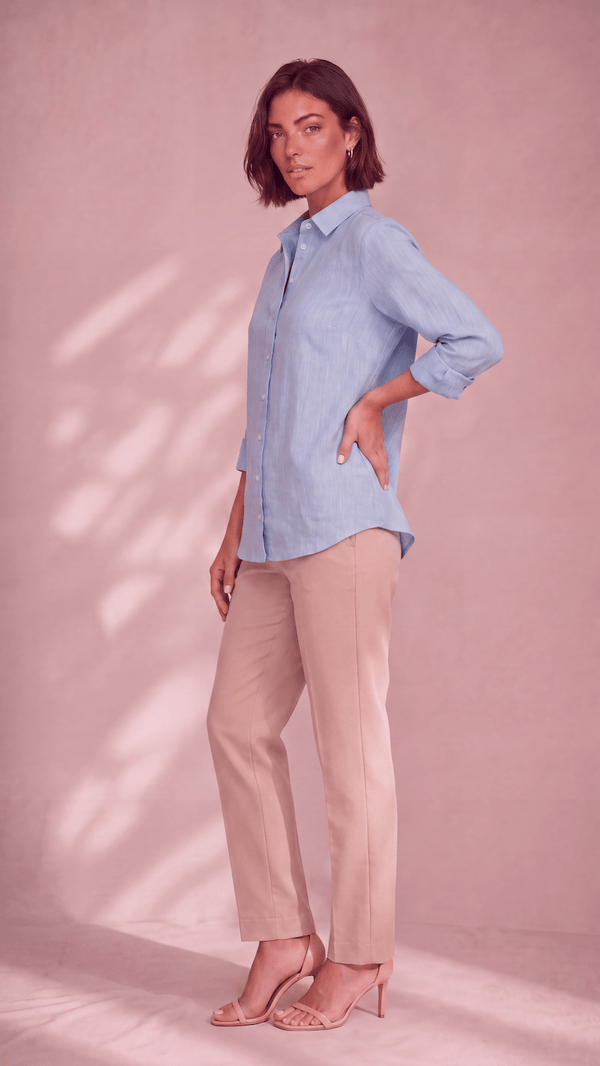
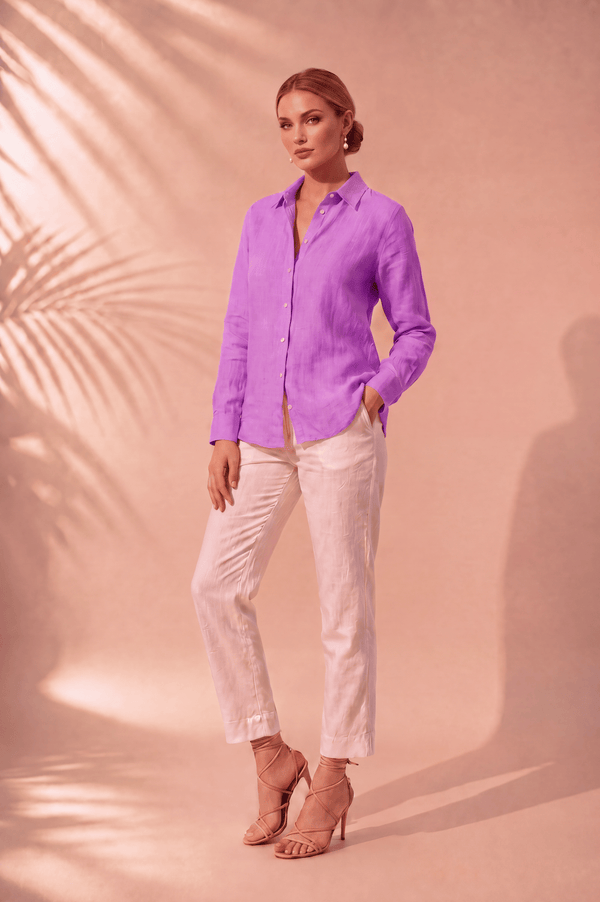
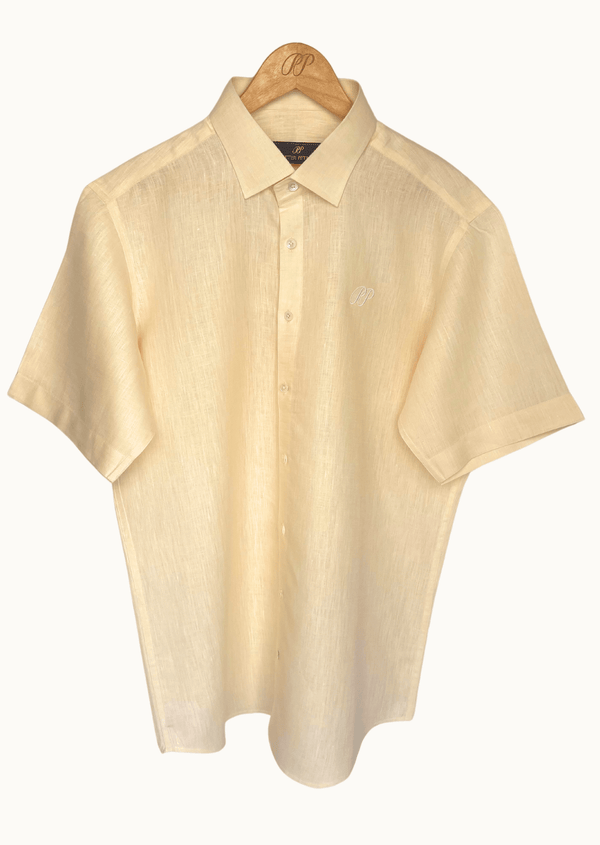
Belgian linen carries this quality to a particular degree. The hollow structure of the flax fibre creates continuous ventilation — warmth drawn away in heat, retained in cooler air. The fabric responds to the conditions of the body inside it rather than imposing its own thermal state. Over a full day in PP linen, this difference is felt in a steadiness that is difficult to attribute to any single cause — because it is not a single cause. It is the cumulative effect of a material working with the body rather than alongside it.
“Natural fabric is not a luxury consideration. It is a basic one — we have simply forgotten to treat it that way.”
— Pieter Petros, founderThe benefits extend beyond breathability. Natural fibres move with the skin rather than against it — the friction between cloth and body across a full day of wear is lower with a smooth natural fibre than with materials of rougher texture. Linen in particular, once it has softened with initial wear, generates very little surface friction. For those with skin that reacts to texture or extended contact, this is not a minor consideration. It is often the most relevant one.
There is also what might be called the microclimate effect — the small zone of temperature and humidity between the skin and the fabric. Natural fibres regulate this zone continuously. The skin stays close to its preferred state. The body is not working to compensate for what surrounds it.
There is also the question of what the fabric does not contain. A natural fibre, grown from the earth and processed with minimal intervention, arrives at the skin without unnecessary additions. Belgian linen certified by origin — as every PP garment uses — is traceable to the fields it came from. The certificate of origin confirms this. What is between the body and the fabric is the cloth itself, and nothing else.
The benefits of natural fabric are not a wellness claim. They are a material reality, experienced by the body over time, in the quiet and unannounced way that most genuine improvements arrive. More on the full relationship between natural clothing and the skin in the PP founder reflection on this topic.
The body does not announce what it gains from natural fibre.
It simply performs better inside it.