Linen vs Cotton — What the Difference Feels Like
Linen vs Cotton — What the Difference Feels Like
Two natural fibres, both grown from the earth. On what separates them — in the hand, against the skin, and across a long day in the heat.
Both are natural. Both are grown from the earth. Both have been worn against the human body for thousands of years. The difference between linen and cotton is not a difference of quality versus compromise — it is a difference of character. Each does something the other does not. Understanding that difference is the beginning of choosing well.
Cotton is familiar. Soft from the first wear, easy to care for, consistent in its behaviour. It moves gently against the skin and holds its shape reliably across most conditions. For many climates and many occasions, it is entirely sufficient. Cotton has earned its place in the wardrobe — not through any single exceptional quality, but through a broad, dependable competence.
Linen is different in kind, not just degree.
The flax plant produces a hollow fibre — a structural quality that gives linen its most distinctive characteristic. Air moves through it. In heat, linen draws warmth away from the skin continuously, releasing it into the surrounding air rather than holding it against the body. Cotton, with a solid fibre, absorbs moisture and warmth and holds both. In moderate temperatures this is unremarkable. In genuine heat — the kind that Dubai, the Gulf, and the Mediterranean produce across the summer months — the difference between the two fabrics becomes very clear, very quickly.
"Cotton is a good fabric. Linen, in heat, is the correct one."
— Pieter Petros, founderLinen is also stronger than cotton. The flax fibre has a tensile strength that cotton does not match — it does not pill, it does not lose its form under repeated washing, and it holds a natural lustre that deepens rather than fades over time. Where cotton softens and wears, linen softens and improves. A linen shirt worn for a year is better than the one that arrived. A cotton shirt worn for a year often shows its age. A linen shirt worn for a year is only beginning to settle into itself.
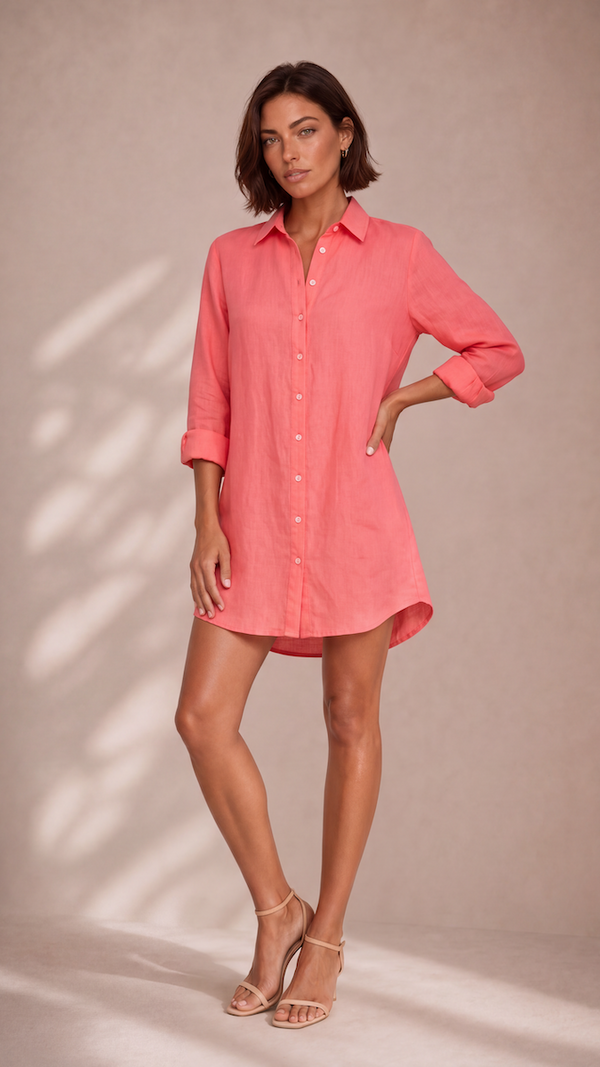
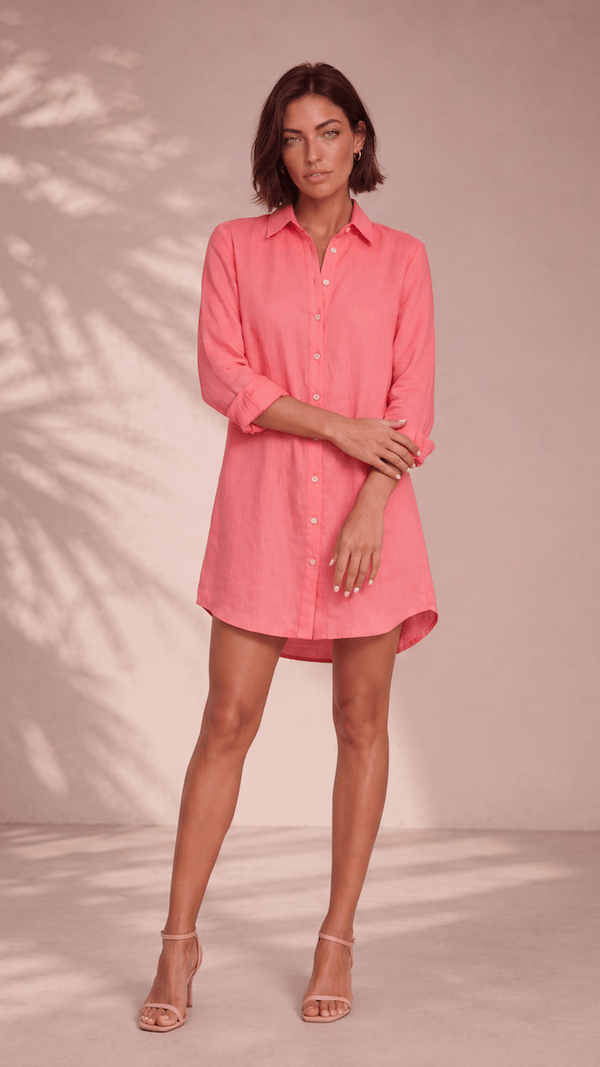
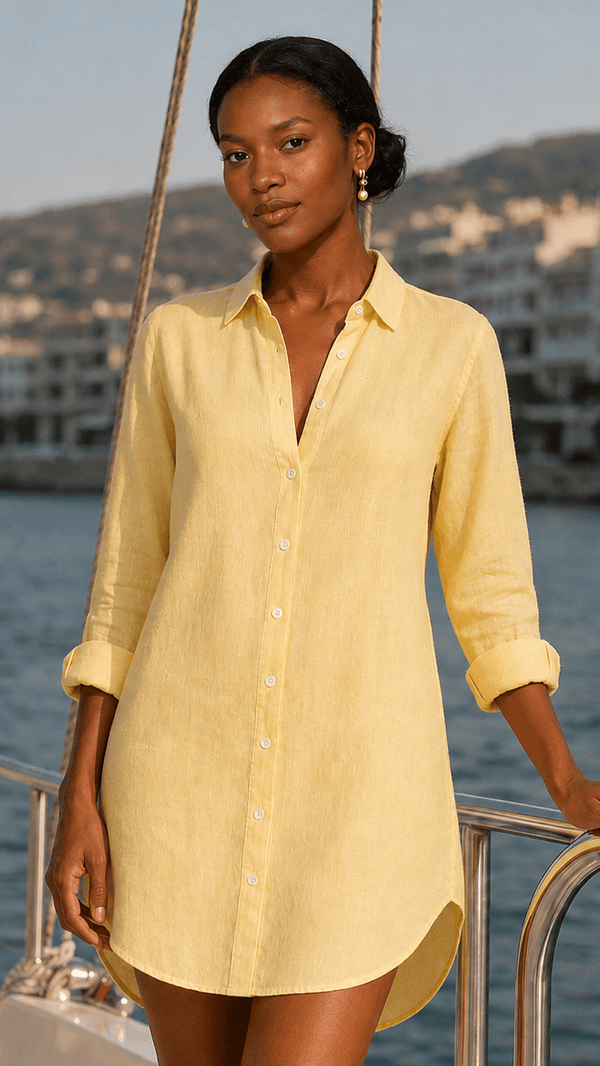
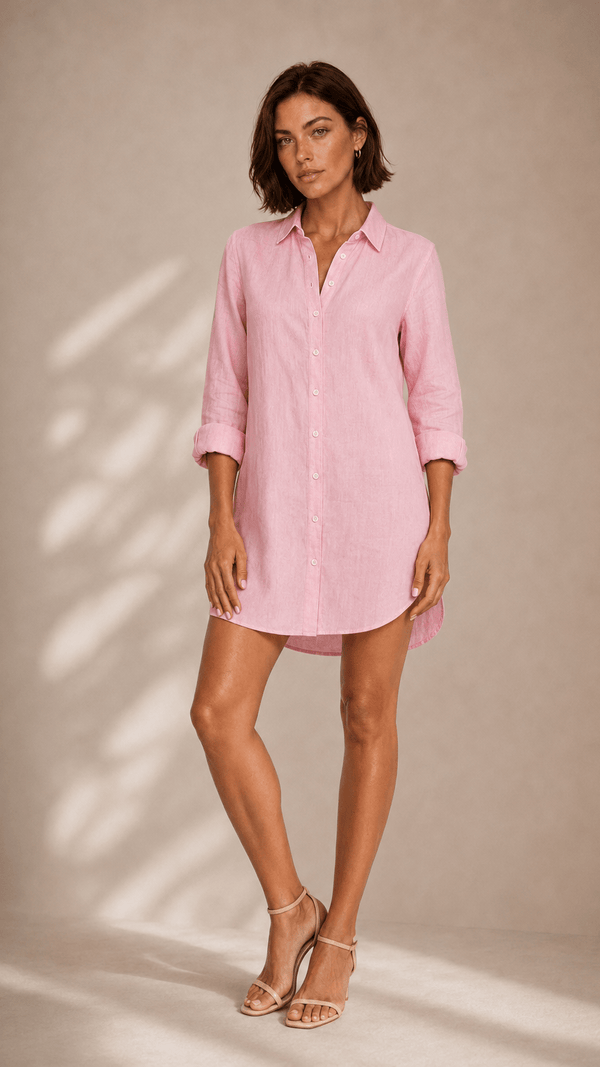
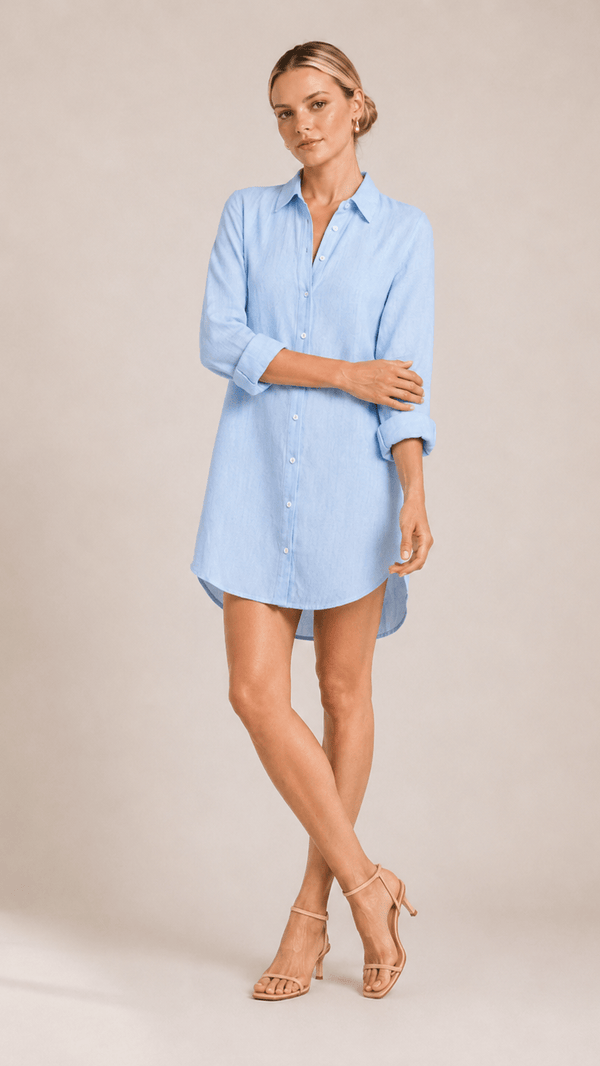
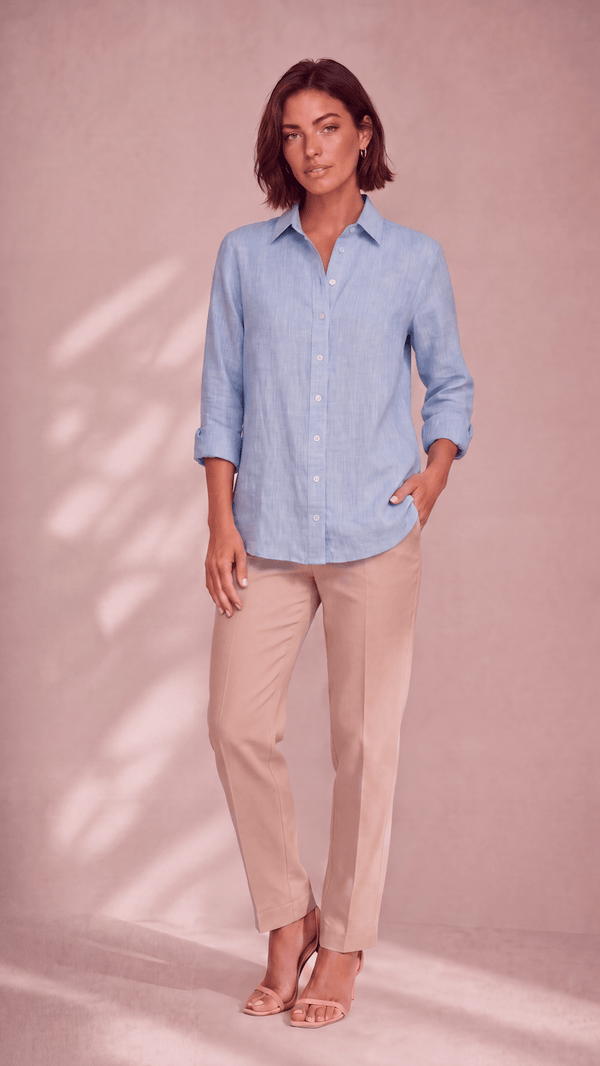
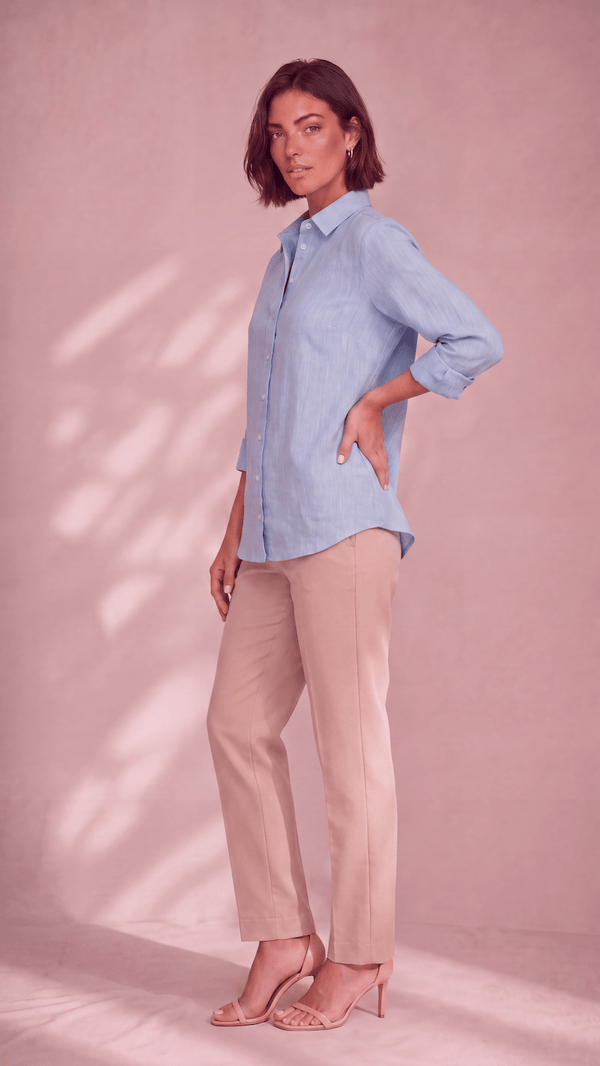
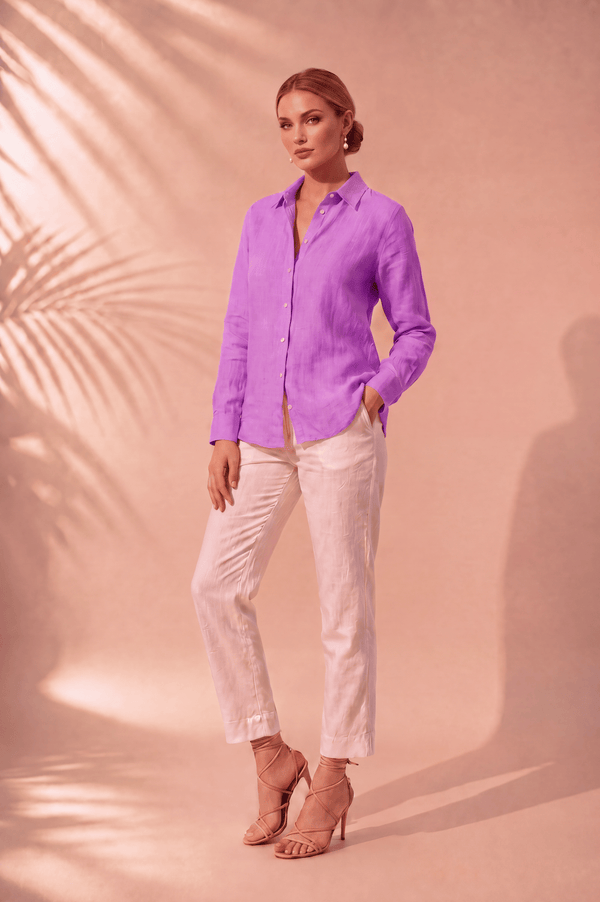
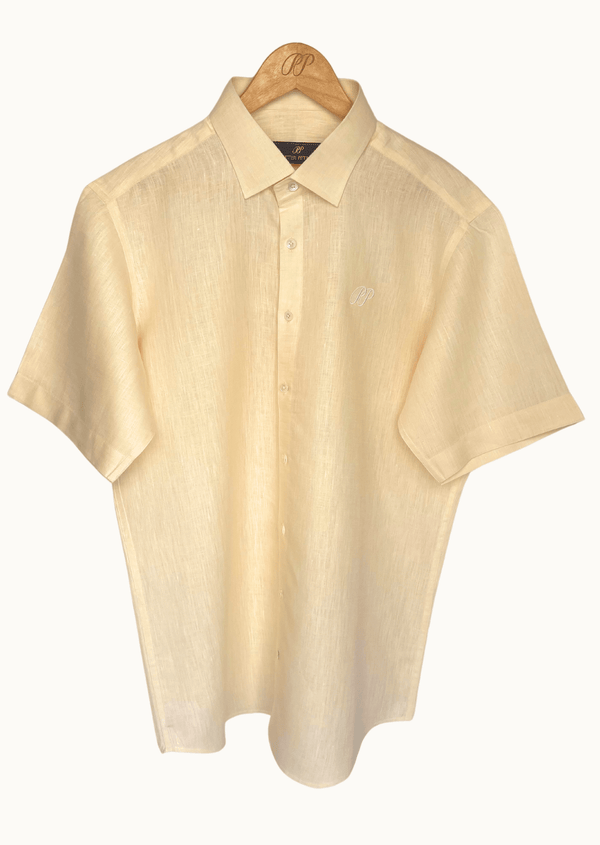
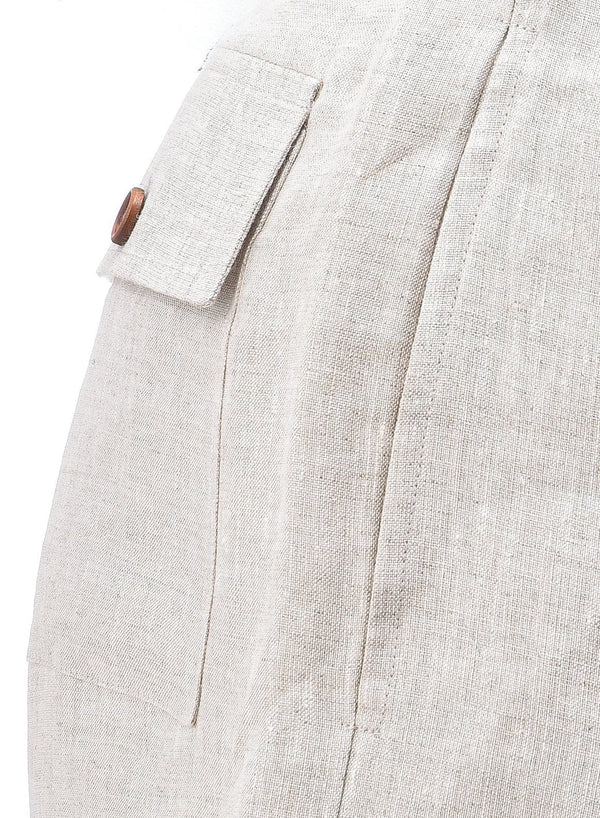
The drape is different too. Cotton hangs with a softness that can read as relaxed or, in less structured cuts, as limp. Linen drapes with weight — a natural fall that comes from the density of the fibre and gives even a casual garment a presence that cotton rarely achieves. It is the quality that makes a linen shirt look considered without appearing formal, and a linen set feel complete without needing anything added to it.
Cotton is used at PP for one specific purpose — the lining of the PP swim short. Here, cotton against the skin inside a garment that goes in the water makes precise sense. The two fabrics together — Belgian linen outside, cotton inside — produce a result that neither achieves alone. This is the exception. For every other garment in the collection, the choice is linen. Not by default, but by design.
Two natural fibres. Both good. One, in the right context, exceptional.
For warm climates, for garments that improve with wear, for the skin across a long day — linen.