Linen Shirt vs Linen Blend — Why Pure Linen Is the Only Choice
Linen Shirt vs Linen Blend — Why Pure Linen Is the Only Choice
Linen Shirt vs Linen Blend — Why Pure Linen Is the Only Choice
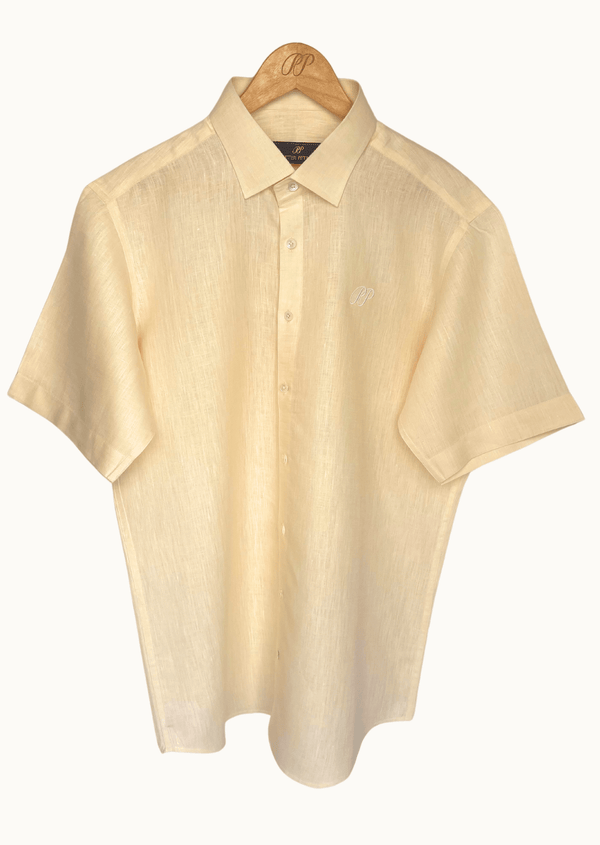
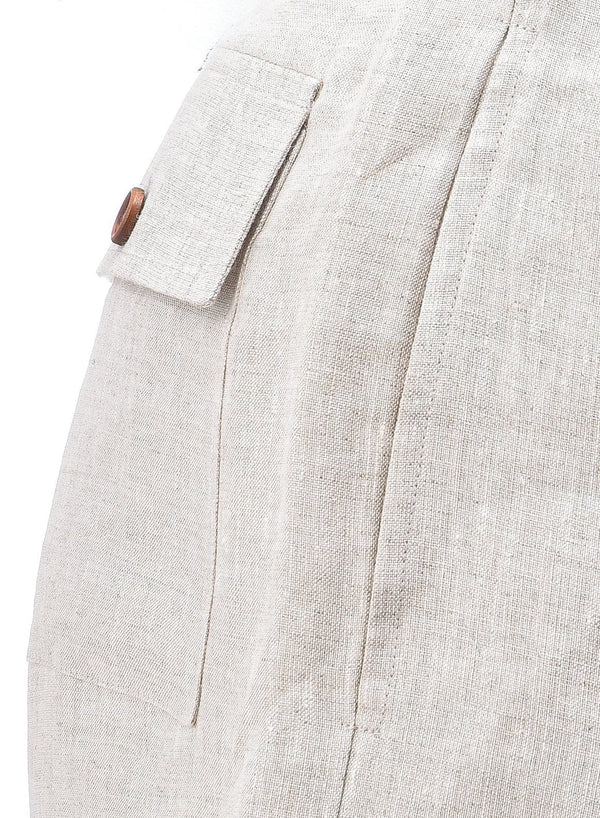
The linen-cotton blend shirt is marketed as a solution to linen's perceived creasing. Understanding why pure certified Belgian linen outperforms every blend is the most practically useful pre-purchase comparison for the PP buyer.
The blend's appeal and its limitation. The linen-cotton blend creases less immediately than pure linen — this is true. The cotton component stabilises the weave. But this is the only advantage, and it comes at the cost of every property that makes linen specifically superior: the breathability, the moisture-wicking, the UV protection, the improving trajectory with washing.
“The linen-cotton blend reduces immediate creasing — this is its only advantage. The certified Belgian linen shirt outperforms every blend on breathability, improving trajectory, and biodegradability.”
— Pieter Petros, founderThe breathability gap. The hollow-core flax fibre in pure linen allows air to pass through the weave. A cotton blend fills this hollow core partly or entirely with the denser cotton fibre. At 35 degrees in direct Mediterranean sun, the breathability difference between pure Belgian linen and a linen-cotton blend is physically perceptible — pure linen is cooler.
The improving trajectory. Pure linen gets softer and more beautiful with every wash. A linen-cotton blend reaches its final character much sooner. A PP certified Belgian linen shirt at five years old is a better shirt than a linen-cotton blend at five years old.
The biodegradability argument. A pure certified Belgian linen shirt is 100% natural and 100% biodegradable. A linen-cotton blend produces a mixed-fibre garment with a more complex end-of-life profile. For the buyer for whom this dimension matters, there is only one choice.