Does Linen Wrinkle? — Why It Creases and How to Manage It
Does Linen Wrinkle? — Why It Creases and How to Manage It
Yes, linen wrinkles — why it happens, how to manage it, and why it is part of the fabric’s character.
Yes, linen wrinkles, and it wrinkles easily: the flax fibre has very little elasticity, so it keeps every fold it is pressed into. This is not a flaw — it is a property of the flax fibre, and understanding why it happens makes it easier to manage and, eventually, to appreciate.
Why does linen wrinkle?
Linen wrinkles because the flax fibre has low elasticity. Unlike synthetic fibres or wool, which spring back to their original shape after compression, linen fibres hold the shape they are pressed into. Flax is made of long, highly ordered cellulose chains; when the cloth is bent, the bonds between those chains break and re-form in the new position, and they stay there until heat and moisture loosen them again. Sitting in a linen shirt for an hour produces visible creases at the elbows and across the lap. This is normal. It is not a sign of poor quality — quite the opposite. It is a sign that the fabric is 100% natural flax with no synthetic blends added to reduce wrinkling.
“The wrinkle is not the problem. It is the fabric telling you it is real.”
— Pieter Petros, founderIs linen supposed to look wrinkled?
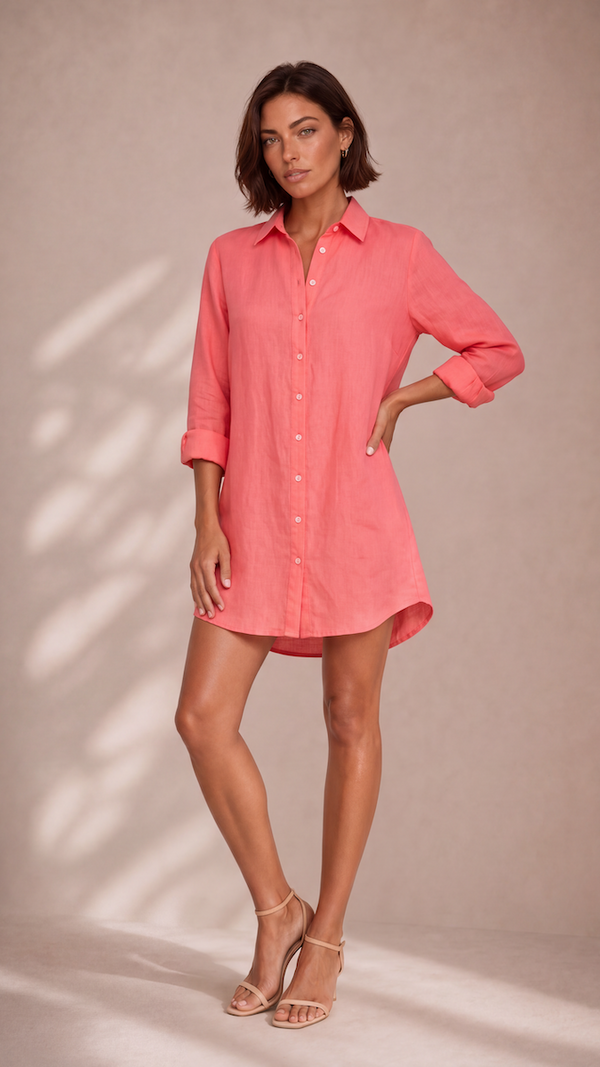
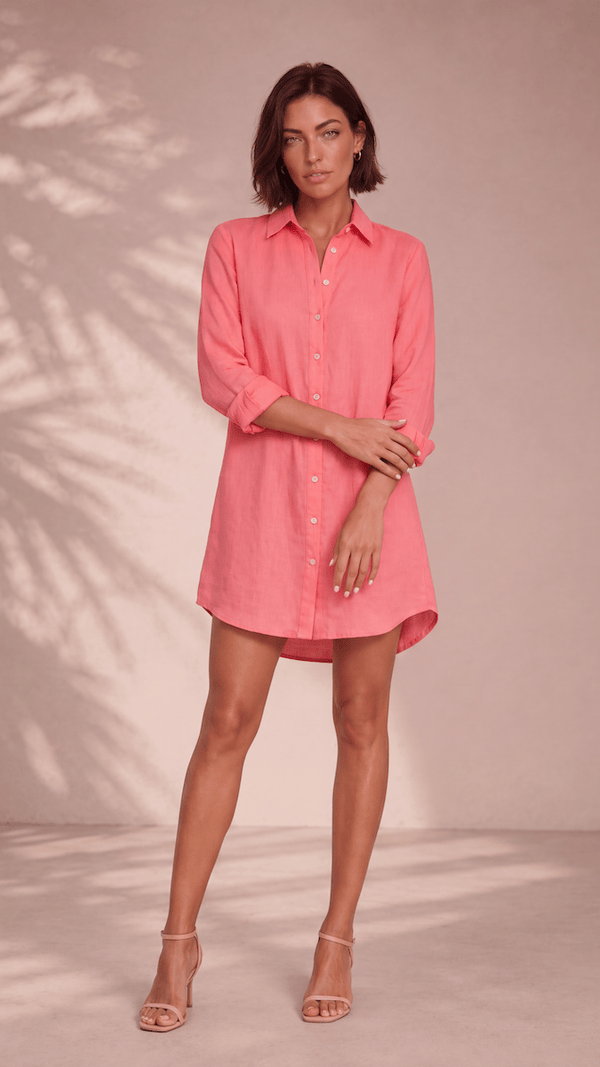
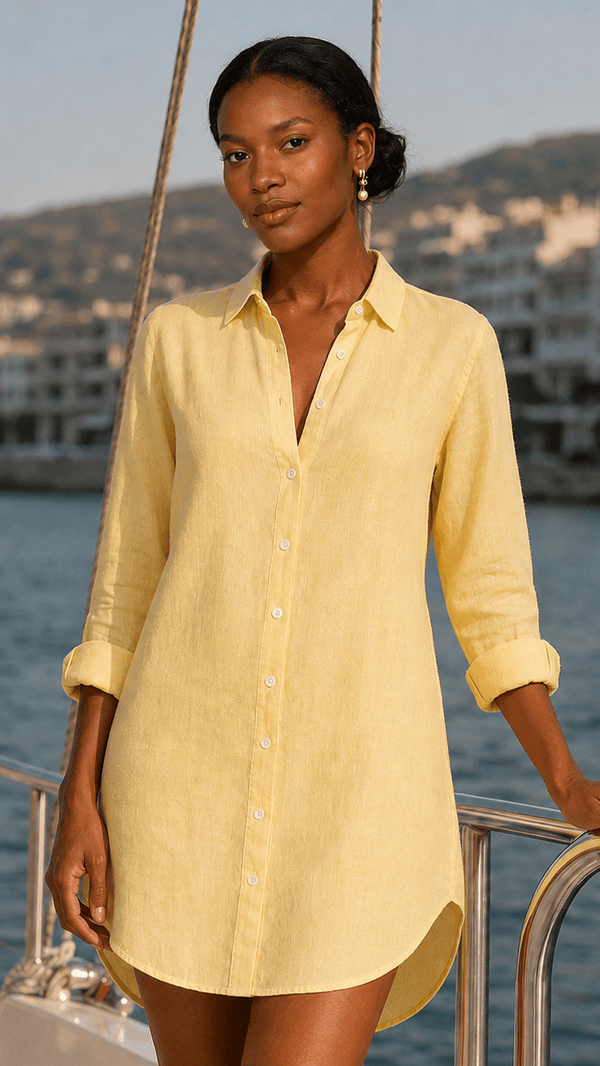
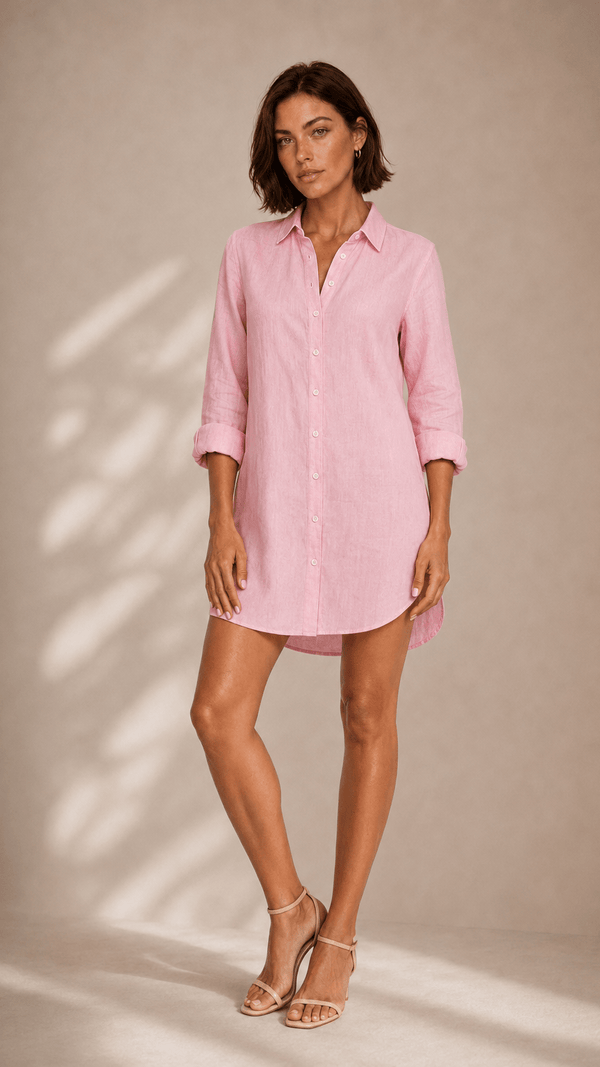
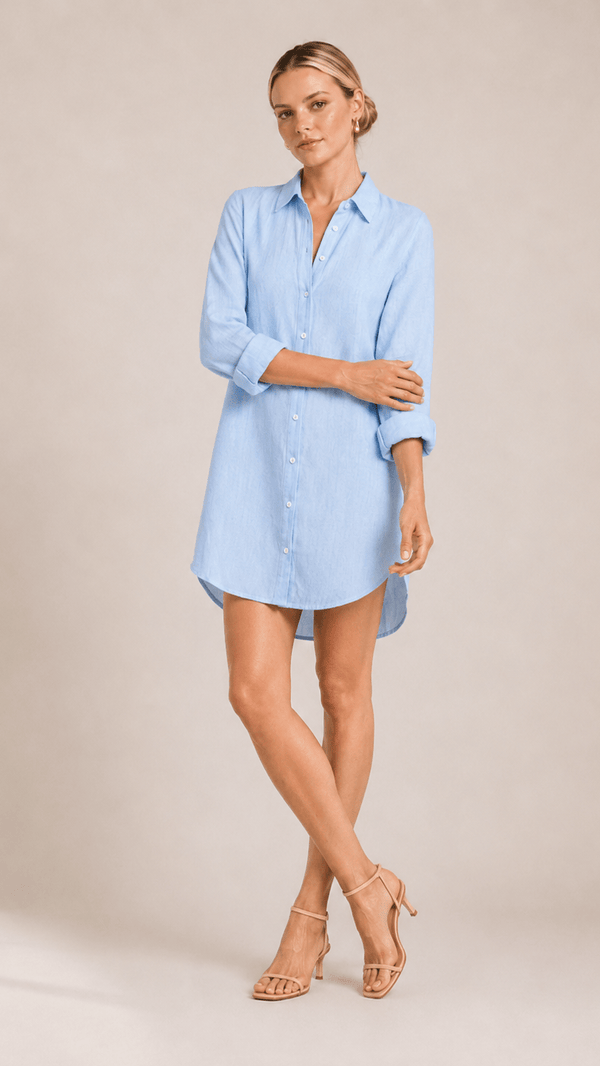
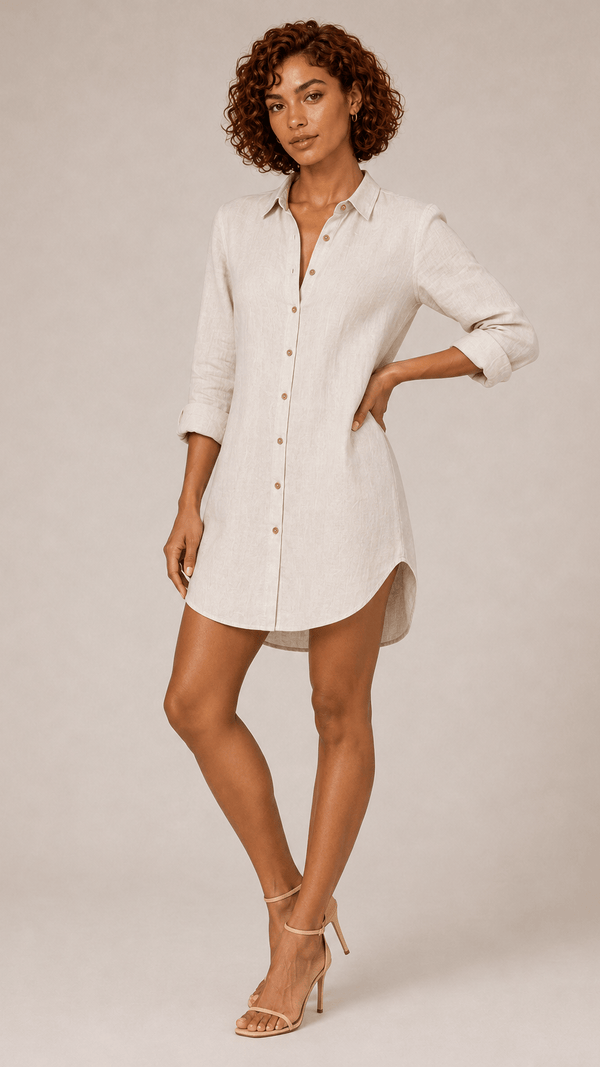
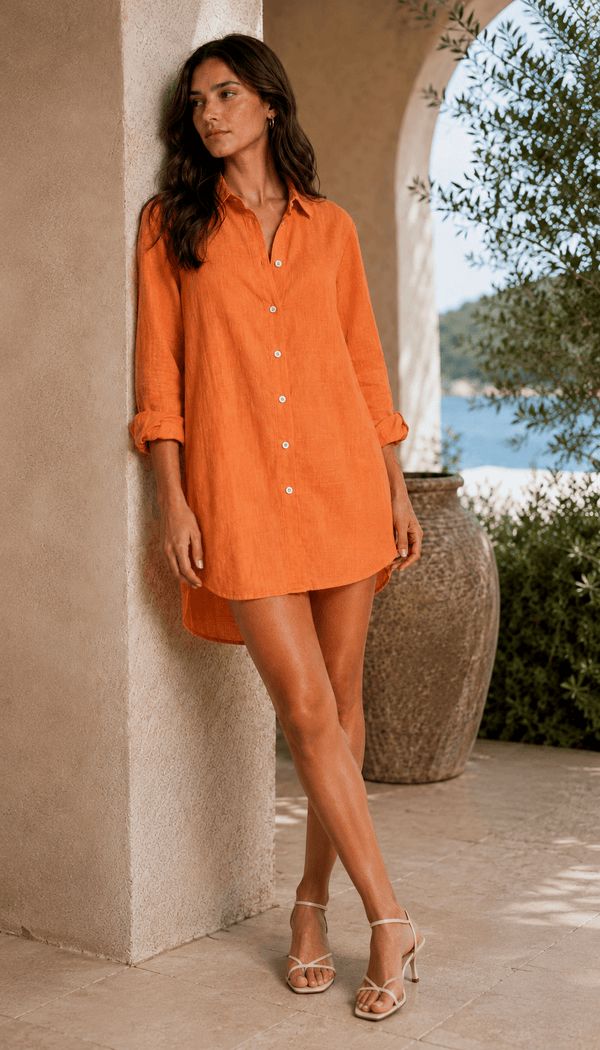
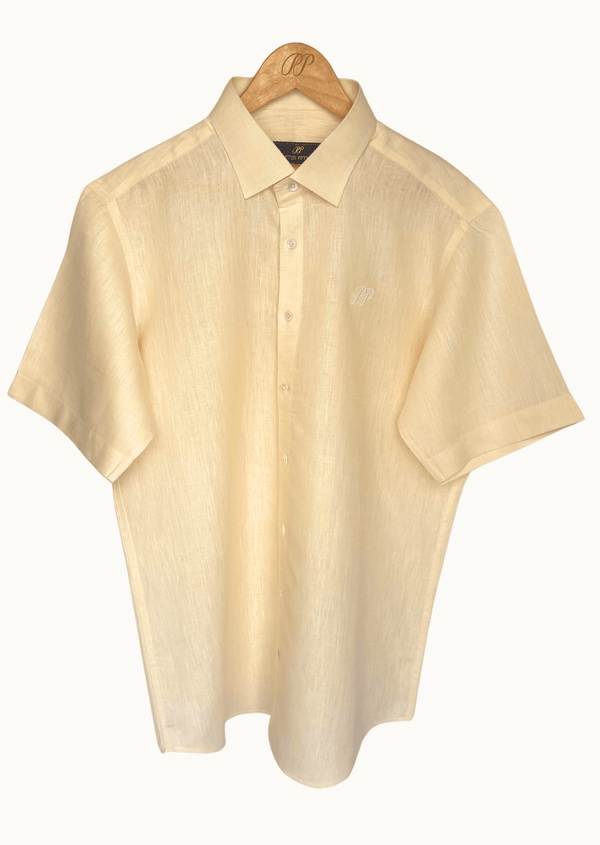
Yes — a linen shirt is supposed to look gently wrinkled once it has been worn. A freshly pressed linen shirt is crisp for the first hour; after that, soft creases at the elbows, the waist and the back are simply what linen looks like on a living body. That relaxed surface is the reason linen belongs to summer, the coast and the long lunch. What separates a well-dressed man or woman in linen from a dishevelled one is not the absence of creases but their kind: soft, even folds in a clean, well-fitted garment look intentional, while deep, sharp creases from a suitcase or a crumpled drawer do not.
The wrinkle behaviour differs significantly between grades of linen. Lower-grade, short-staple linen wrinkles aggressively and unevenly — deep creases that look dishevelled rather than relaxed. Higher-quality long-staple linen tends to wrinkle more softly and evenly than lower-grade linens. The creases are softer, more evenly distributed, and carry a different visual quality — closer to the deliberate texture of a fabric that has been worn than to the appearance of neglect.
Does linen crease more over time, or less?
Less sharply. A new linen garment is at its stiffest, and its first creases are its most defined. With each wash and each wear the fibres soften and the cloth drapes more freely, so the folds it takes become rounder and quieter. This is why a linen shirt that has been worn for several summers often looks better unironed than it did when new — a change we describe in does linen get softer.
Do linen sheets wrinkle a lot?
Linen sheets wrinkle for exactly the same reason linen shirts do, and they show it more, because a bed is a large, flat surface pressed by a sleeping body all night. Most people who choose linen bedding leave it unironed and enjoy the soft, lived-in surface; smoothing the sheets by hand while they are still slightly damp from the wash, or taking them out of the dryer promptly, keeps the creases light.
How to manage linen wrinkles:
To minimise wrinkling: hang garments immediately after washing rather than leaving them in the drum. The weight of the wet fabric pulls out many creases as it dries. Hang on a wide-shouldered hanger in a well-ventilated space. If you use a tumble dryer, choose a low setting and take the garment out while it is still slightly damp, then hang it to finish.
To remove wrinkles: iron while the fabric is still slightly damp on a medium-high heat setting. Linen responds well to a hot iron when damp — the creases release easily and the surface becomes smooth. A steam iron or a spray bottle of water works for garments that have dried fully. Away from home, a handheld steamer or a shirt hung in a steamy bathroom for a few minutes releases most travel creases; more options are in how to get wrinkles out of linen without an iron.
To wear wrinkled: many PP customers do not iron at all. The natural texture of air-dried linen — slightly creased, slightly relaxed — is part of the fabric's character. Belgian linen worn without ironing reads as intentional rather than unkempt, particularly in resort and leisure contexts.
The wrinkle is not the problem. It is the fabric telling you it is real.
How to Iron Linen Shirts · How to Wash Linen Shirts · Men's Linen Collection