Belgian Linen Quality — How to Verify It Before You Buy
Belgian Linen Quality — How to Verify It Before You Buy
How to verify Belgian linen quality — documentation, surface inspection, drape behaviour, the washing test, and the button confirmation.
Verifying the quality of Belgian linen before purchase requires knowing what to look for — because the marketing language around linen is loosely used and a description of "Belgian linen" or "premium linen" does not always reflect the certified, long-staple fabric that the term at its best describes. These are the specific signals that confirm genuine Belgian linen quality.
The documentation. The most reliable signal of certified Belgian linen is a certificate of origin — a document that traces the fabric's provenance from the flax-growing region through the production stages to the finished cloth. This certificate is what PP provides with every garment. Without it, the buyer is accepting a claim rather than a confirmation. Ask for it; a genuine certified Belgian linen producer will have it.
“The definitive test of certified Belgian linen is not the surface or the drape when new. It is whether the fabric is measurably softer after five correct washes. This is the test.”
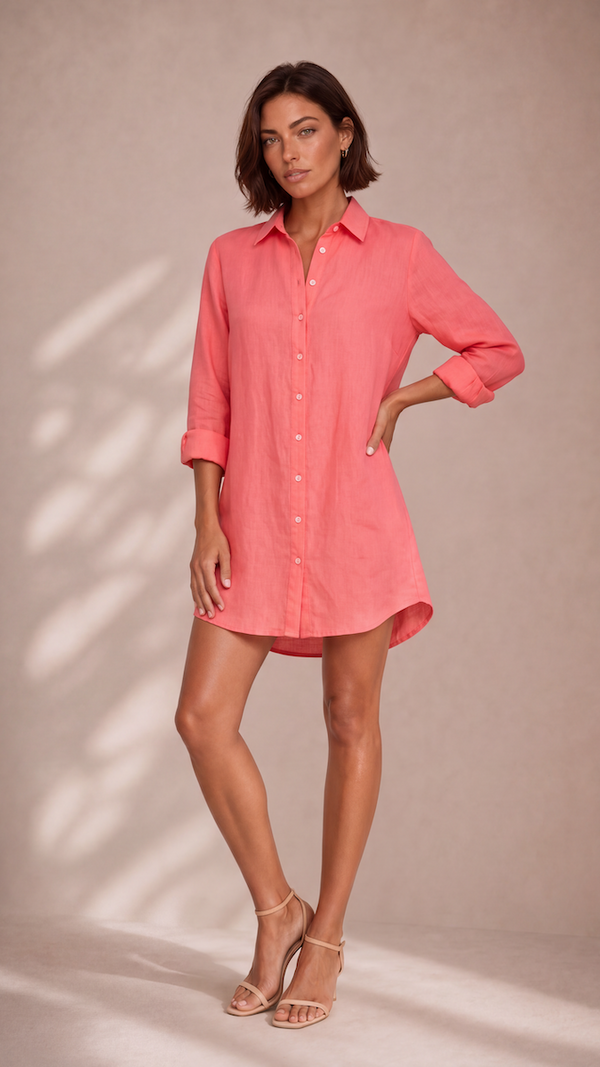
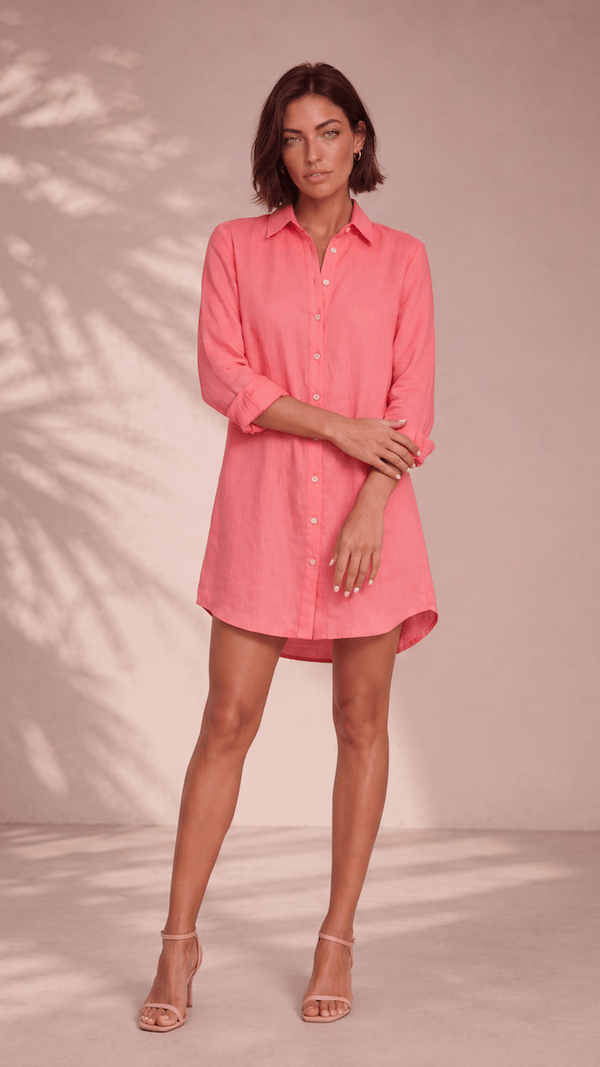
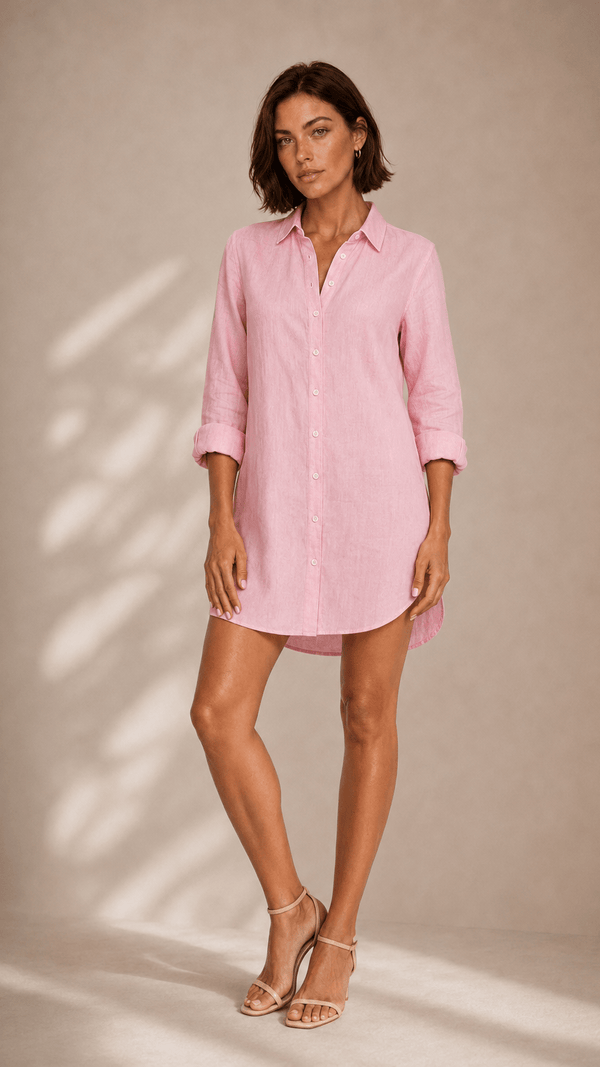
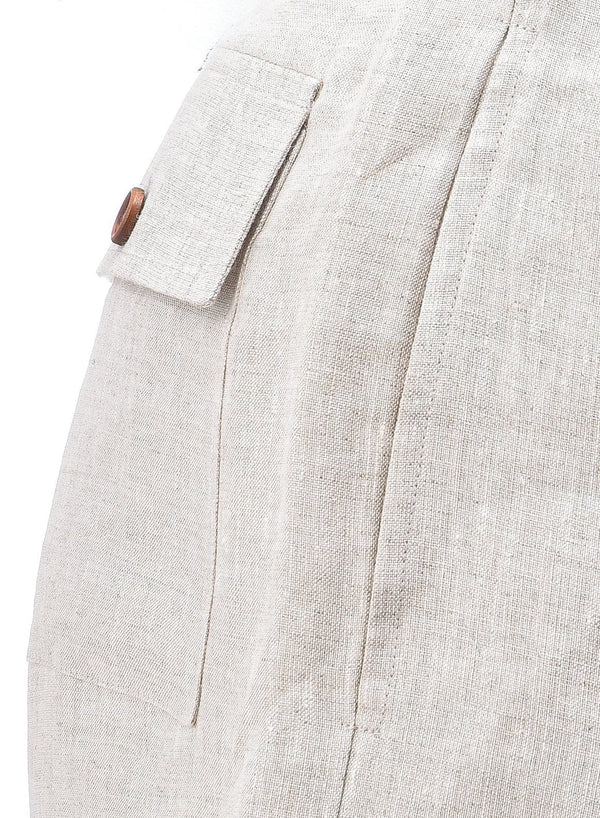
— Pieter Petros, founderThe surface. In person, certified Belgian linen has a finer, more consistent surface than short-staple alternatives. The texture is present — linen's natural fibre gives it a slight organic irregularity — but it is subtle and even rather than rough and coarse. Hold the fabric up to the light: certified long-staple linen has a relatively fine, consistent weave. A coarser, more irregular surface indicates shorter-staple fibre.
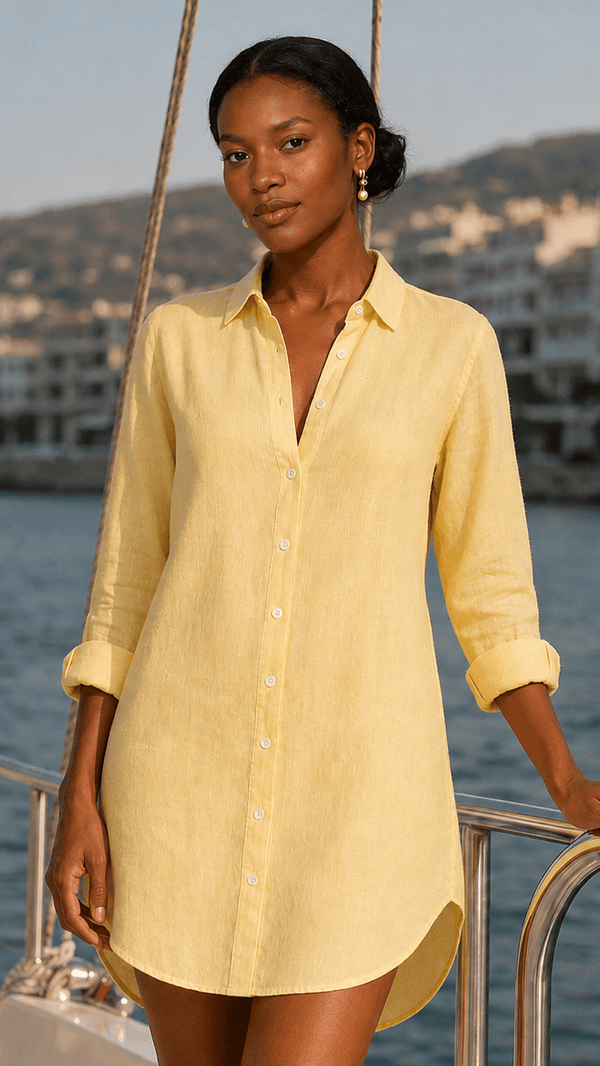
The drape. Let the fabric fall from your hand. Certified Belgian linen at a quality weight falls with fluid intention — the drape is weighted and directional. Short-staple linen either hangs stiffly without movement or falls without structure. Belgian linen at the correct weight does neither.
The washing test. After five correct wash cycles at 30-40 degrees, certified Belgian linen is noticeably softer than when new. If the fabric has not softened measurably after five washes, it is not long-staple certified Belgian linen. This is the definitive post-purchase test and the clearest confirmation of fabric quality.
The buttons. Natural buttons — walnut, seashell, corozo nut — confirm that the maker's commitment to natural materials extends beyond the fabric. A synthetic button on a Belgian linen shirt is a small but visible signal that the commitment does not run throughout.
Belgian Linen Fabric · How to Identify Premium Linen · Men's Linen Collection